




Understanding Mild Acne
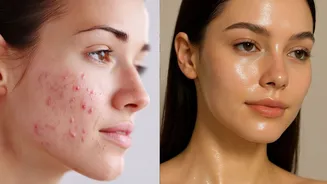
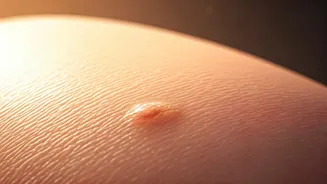
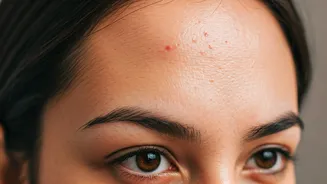
As temperatures rise, your skin might react with initial signs of acne. This often manifests as minor imperfections like small whiteheads and blackheads,
primarily appearing on your forehead and nose. These early indicators usually stem from pores becoming clogged by increased sweat and oil production. To combat this, a twice-daily cleansing routine with a salicylic acid-based face wash is recommended. It's also advisable to steer clear of heavy, pore-clogging creams during this phase. Should these mild blemishes begin to escalate into red, inflamed bumps that feel tender to the touch, it signals that your skin's protective barrier might be compromised. In such instances, incorporating products containing niacinamide and using targeted benzoyl peroxide treatments can help restore balance and soothe the skin.
Recognizing Severe Acne
When your acne progresses beyond simple bumps and inflammation, it enters a more serious territory. This severe stage is characterized by the development of painful cysts and deep nodules, which can appear as large, swollen pimples. These often spread across the jawline and can be particularly distressing as they have a higher likelihood of causing permanent skin damage and leaving behind deep, noticeable scars if not addressed promptly. If you observe these types of breakouts, seeking professional guidance from a dermatologist is crucial. They can assess the severity and recommend tailored treatments such as prescription-strength creams, oral antibiotics, professional peeling treatments, or even a thorough hormonal evaluation to uncover underlying causes.
Addressing Hormonal Acne
Certain acne patterns strongly suggest a hormonal influence. This category includes persistent breakouts that coincide with menstrual cycles, recurring adult acne, and cystic acne. It often presents as pimples clustering around the chin and jawline. These types of flare-ups can be linked to internal factors such as hormonal fluctuations, conditions like Polycystic Ovary Syndrome (PCOS), disrupted sleep patterns, or significant stress levels. A dermatologist can conduct specific hormonal tests to identify the root cause. Treatment plans typically involve a combination of lifestyle adjustments, oral medications, and potent prescription retinoids to effectively manage this type of acne and its underlying triggers.
Summer Acne Prevention
To proactively ward off summer acne, adopting a smart skincare routine is key. Opt for lightweight, non-comedogenic products, such as oil-free sunscreens and gel-based moisturizers, which won't clog your pores. Never skip sunscreen, as sun exposure can significantly worsen acne marks and pigmentation. It's also vital to cleanse your skin promptly after sweating to prevent pore blockages. Regularly cleaning your pillowcases, ideally twice weekly during the summer, can further reduce bacteria. Minimizing the use of harsh exfoliants and acids, which can irritate sensitive skin, and ensuring adequate hydration by drinking plenty of water are also essential steps for maintaining clear, healthy skin throughout the warmer months.