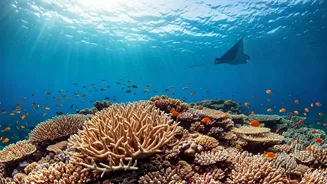








Reaching Paradise
To access the breathtaking underwater world of Raja Ampat, your journey begins with international flights to major Indonesian hubs like Bali or Jakarta.
From there, regional airlines such as Lion Air or Batik Air will transport you to Sorong, the primary gateway to this stunning archipelago. Upon arrival in Sorong, a public ferry service provides a scenic 2-hour passage to Waisai, located on Waigeo, the main island. Once you reach Waisai, most resorts and accommodations facilitate further transport via chartered speedboats, ensuring you reach your chosen island retreat smoothly. This multi-stage travel plan is essential for reaching one of the planet's most biodiverse marine environments, so booking these legs in advance is highly recommended.
Visa and Travel Documents
For Indian passport holders planning a trip to Indonesia, securing your entry visa is a straightforward process. You have the option to apply for an e-visa online in advance, which typically takes around 5 days for processing and costs approximately Rs5,500. Alternatively, a visa on arrival facility is available at Bali or Jakarta airports, costing around Rs2,500. Ensuring you have the correct visa documentation sorted before your departure will prevent any last-minute travel hiccups and allow you to focus on the incredible experiences that await you in Raja Ampat.
Ideal Weather for Diving
The period between April and May presents an ideal window for visiting Raja Ampat, particularly for diving enthusiasts. During these months, the islands experience springtime conditions, marked by consistently warm tropical weather and minimal rainfall, which contributes to calm seas. This meteorological phenomenon results in exceptional underwater visibility, allowing divers to fully appreciate the vibrant coral ecosystems and the abundant marine life that call this region home. Planning your trip during this season significantly enhances the chances of having clear, undisturbed dives.
Budgeting Your Trip
When planning your expedition to Raja Ampat, understanding the cost breakdown is crucial. International flights to Bali or Jakarta can range from approximately Rs35,000, with subsequent flights to Sorong costing around Rs32,000, based on May 2026 estimates. The ferry journey from Sorong to Waisai is an economical Rs800 one-way. Accommodation options vary significantly, with a 7-night full-board package at a resort like Misool Eco Resort, including transfers from Sorong but excluding dives, starting from Rs380,000 per person. For a more budget-conscious option, beachfront bungalows at Wai Resort are available from Rs21,000 per night with full board. Additionally, budget around Rs25,000 per day for diving activities, which typically cover dive packages, equipment rental, and guide fees. A mandatory marine park permit and entry ticket will add about Rs6,000 to your expenses. Factor in approximately Rs40,000 per person per day for miscellaneous expenses like boat excursions and diving beyond your accommodation and main flight costs.
Beyond the Dive Sites
While Raja Ampat is world-renowned for its exceptional diving, the archipelago offers a variety of other captivating experiences. Explore the lush interiors by chasing magnificent waterfalls; Warengkris Waterfall on Waigeo Island and Batanta Waterfall on Batanta Island, the latter requiring a bit of a trek, are popular choices. For a truly unique spectacle, the Malol Waterfall on Misool Island cascades beautifully over five distinct levels, offering a tranquil escape. For breathtaking panoramic views, embark on the climb up Pianemo Hill. Ascending roughly 250 steps through dense vegetation rewards you with a stunning vista of a star-shaped lagoon, a picturesque scene that perfectly complements the underwater wonders.
Strategic Diving Regions
Choosing the right region within Raja Ampat is paramount to tailoring your diving experience to your specific interests, according to experts. For those seeking encounters with majestic manta rays, the Dampier Strait is the prime location. If your preference is for pristine, untouched reefs with fewer crowds, the Misool region stands out as the optimal choice. Alternatively, for a balanced experience that combines diverse scenery with quieter dive sites, the Fam Islands offer an excellent middle ground. Understanding these regional specialties ensures that your dive planning aligns with your desired marine encounters and overall diving adventure.