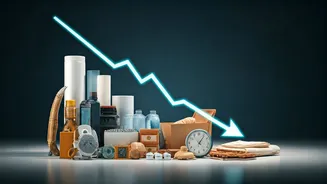









Subsidy Rationalization Needed
The success of government-led reform initiatives relies heavily on how agricultural subsidies are managed and structured. A key aspect of this involves
a thorough rationalization of these subsidies. This process is not just about reducing costs but also about ensuring that the resources allocated are used efficiently and effectively. Rationalization helps in minimizing wastage and directing funds to areas where they are most needed, thereby achieving the desired outcomes of various government programs. Effective subsidy management enhances the overall effectiveness of reforms. Streamlining subsidies can lead to better outcomes for farmers and boost the agricultural sector, eventually contributing to the broader economic growth of the nation. It also reduces the fiscal burden on the government, enabling it to invest in other critical areas like infrastructure and social welfare, ultimately improving the overall development and well-being of the population.
Boosting Economic Growth
Rationalizing agricultural subsidies has the potential to significantly fuel economic growth by fostering a more efficient and competitive agricultural sector. Well-structured subsidies can help direct resources towards innovation and the adoption of modern technologies, leading to increased productivity and profitability for farmers. When subsidies are optimized, they can play a crucial role in enabling a conducive environment for both domestic and foreign investment in the agricultural sector, leading to increased output, job creation, and export potential. Furthermore, a rationalized subsidy system helps create a level playing field, reducing market distortions and promoting fair competition. This ensures that resources are allocated based on economic viability and efficiency, maximizing the overall impact on the economy. Effective implementation will likely enhance the long-term sustainability of the agricultural sector, making it more resilient to external shocks and changing market conditions.
Farmer Benefit Maximization
Efficiently managed agricultural subsidies can dramatically improve the lives of farmers by providing them with targeted support. The goal is to design subsidy programs that address the actual needs of farmers and offer assistance where it is most impactful. This approach might involve providing direct income support, offering subsidies for essential inputs like seeds and fertilizers, or supporting the development of irrigation infrastructure. When subsidies are tailored to specific needs, farmers become more productive and resilient, ultimately boosting their incomes and livelihoods. It also supports farmers in managing risks and adopting sustainable agricultural practices, improving environmental outcomes. A well-structured subsidy system ensures that benefits reach the intended beneficiaries, cutting out any loopholes that might lead to misuse. This focused strategy maximizes the impact of government resources, fostering a prosperous agricultural community and a more inclusive economy. The positive effects of such policies extend beyond individual farmers.
Strategic Implementation Approaches
Implementing a rationalized agricultural subsidy system requires a well-thought-out strategy. This begins with identifying the areas most in need of support. It might involve a thorough analysis of existing subsidy programs and assessing their effectiveness. A data-driven approach allows for precise targeting, ensuring that subsidies reach those who need them most. Transparency in the subsidy allocation process is also essential to foster trust and minimize corruption. This can be achieved through mechanisms such as online portals where farmers can easily apply for and track their subsidies. It also requires continuous monitoring and evaluation of the impact of these programs, with necessary adjustments made over time. Collaboration between government agencies, agricultural experts, and farmer representatives is also essential for success. This inclusive approach will ensure that the subsidy system effectively supports agricultural development and improves the lives of farmers.