





Mountain Pose for Clarity
Tadasana, or Mountain Pose, is a fundamental standing posture that acts as a cornerstone for cultivating mental presence. By focusing on balanced weight
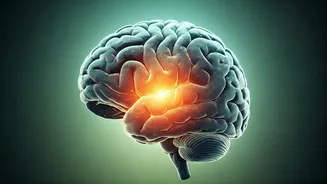
distribution and erect spinal alignment, this pose ensures optimal oxygen flow to the brain. This enhanced circulation is crucial for cognitive function. The practice involves standing with feet together, arms by your sides, then inhaling to raise arms overhead with interlocked fingers, stretching upwards while gazing at a single point. Holding this posture for 5-8 breaths encourages a grounded feeling. Its effectiveness lies in promoting correct posture and spinal alignment, which directly impacts oxygen delivery. Furthermore, achieving a balanced physical state translates to a reduction in mental distractions, effectively training the brain to remain anchored in the present moment. This foundational pose sets the stage for deeper concentration.
Tree Pose for Stability
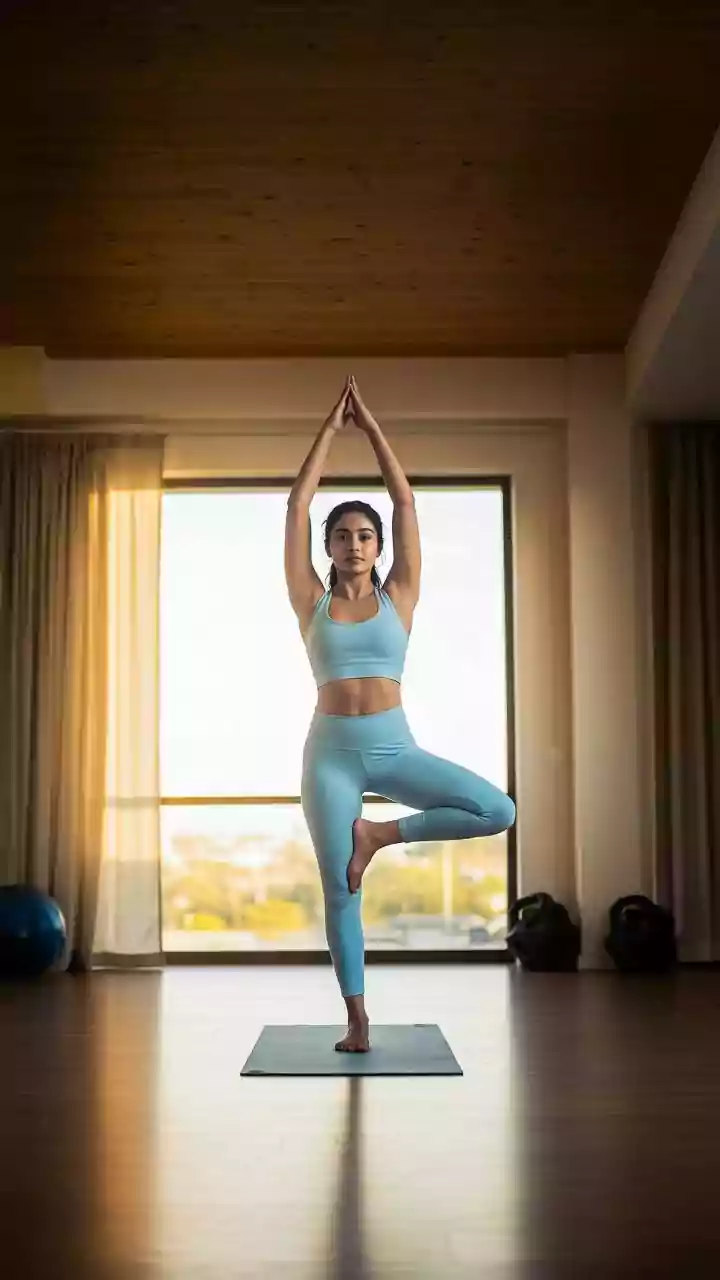
Vrikshasana, the Tree Pose, is an exceptional balancing act that significantly hones concentration skills. The physical challenge of maintaining stability on one foot requires the mind to remain acutely present and alert, without becoming overstimulated. To perform it, stand on one leg, placing the other foot on the inner calf or thigh, avoiding the knee joint itself. Bring your palms together at your chest, or extend them overhead like branches. Fixing your gaze on a single, predetermined point is key to maintaining equilibrium. This pose actively engages neural coordination and strengthens attention pathways. By demanding a focused yet calm mental state to achieve balance, Vrikshasana directly benefits concentration, making it a powerful tool for mental training. Hold for 20-30 seconds before switching sides.
Thunderbolt Pose Serenity
Vajrasana, or the Thunderbolt Pose, is a remarkably effective posture for calming the nervous system and fostering a sense of deep tranquility. This seated pose involves kneeling on the floor with your spine erect and hands resting on your thighs. The simplicity of its execution allows for profound relaxation. Practitioners are encouraged to close their eyes and simply breathe normally for a period of 2-5 minutes. This gentle yet deliberate practice helps to significantly reduce the overall activity of the nervous system, which in turn quiets the incessant mental chatter that often leads to distraction and a feeling of being overwhelmed. By promoting a state of physiological calm, Vajrasana creates fertile ground for improved focus and mental clarity, acting as a powerful antidote to modern-day stress.
Lotus Pose Focus
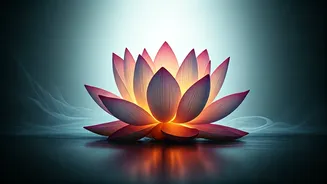
Padmasana, widely known as the Lotus Pose, is a quintessential meditation posture that promotes profound stillness and sharpens mental clarity. This asana is believed to activate the Sahasrara chakra, or crown chakra, which is intrinsically linked to higher consciousness and enhanced focus. The preparation for this pose involves sitting with legs extended, then bending one knee to place the foot on the opposite thigh, followed by the other foot on the opposite thigh, creating a cross-legged position with soles facing upwards. While full Lotus requires flexibility, a comfortable cross-legged stance serves a similar purpose. Keep the spine tall and hands resting on the knees. Padmasana significantly reduces physical movement, thereby minimizing sensory input and allowing the brain to process information more effectively and retain it better. This stillness is paramount for deep concentration.
Seated Forward Bend Ease
Paschimottanasana, the Seated Forward Bend, is a potent pose for alleviating stress and anxiety, which are significant impediments to concentration. This posture involves sitting with legs extended forward. The practice begins with an inhalation to lengthen the spine, followed by an exhalation as you fold forward, aiming to reach towards your feet. Holding the feet, ankles, or shins is common, with an emphasis on relaxing the neck and head. This forward inclination has a naturally calming effect on the mind, helping to dissipate anxious thoughts. Crucially, it stimulates the parasympathetic nervous system, which is responsible for the 'rest and digest' response. This stimulation enhances the brain's ability to consolidate memories and improves overall mental endurance, making it easier to sustain focus over extended periods.
Bee Breath Calm
Bhramari Pranayama, often referred to as Bee Breath, is a highly effective breathing technique that significantly calms the nervous system and reduces intrusive mental noise. The unique feature of this practice is the soft humming sound produced during exhalation, which mimics that of a bee. To perform it, sit in a comfortable meditative posture, close your eyes, and gently press your index fingers over your ears to block external sounds. Inhale deeply through your nose, and as you exhale, emit a low, steady humming sound. This repetitive, soothing vibration has a profound impact on the brain, activating regions associated with focus and emotional regulation. By diminishing internal mental distractions, Bhramari Pranayama creates a clear mental space, enabling superior thought processing and concentration.