





The Ritual Revealed
A nightly scalp massage using a wooden comb, a practice deeply rooted in Japanese households and surprisingly common in Indian homes as well, has recently
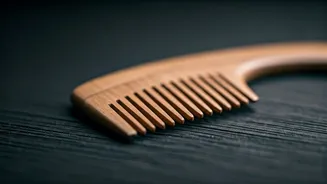
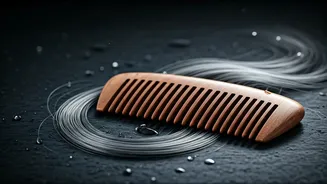
surged in social media popularity. Often promoted as a remedy for premature greying, this ritual is more than just a trend. It taps into an ancient understanding of self-care and its potential impact on hair vitality. While the visual of gently combing one's scalp before sleep might seem simplistic, the underlying mechanisms and perceived benefits are worth exploring. This practice, which has gained traction online, aims to address concerns about hair colour loss and overall scalp well-being. The question remains: can this seemingly simple act before slumber genuinely contribute to healthier hair and a more vibrant scalp?
Circulation and Pigment
The efficacy of scalp massage, particularly with a wooden comb, is grounded in physiological principles. Dermatologists suggest that massaging the scalp can significantly enhance blood circulation. This improved flow delivers vital oxygen and nutrients directly to the hair follicles, which are the anchors of our hair. Enhanced circulation is believed to foster a healthier environment for hair growth and potentially slow down the degradation of pigment cells responsible for hair colour. These pigment cells, known as melanocytes, are crucial for maintaining natural hair colour. However, it's important to understand that greying is a multifaceted issue. While improved circulation can contribute positively, genetic predispositions, the natural aging process, and broader lifestyle factors play a far more dominant role in determining when and how hair turns grey. Therefore, while the wooden comb massage can be a beneficial addition to a hair care routine, it's not a definitive solution to prevent greying entirely.
Beyond Circulation: Stress and Nourishment
The perceived effectiveness of the Japanese wooden comb ritual often stems from a holistic approach that encompasses both physical stimulation and psychological well-being. Beyond just enhancing scalp circulation, the gentle massage action offers a profound sense of relaxation and stress reduction. In today's fast-paced world, stress is a well-documented trigger for various health concerns, including premature hair greying and increased hair loss. Individuals who consistently engage in this calming bedtime ritual might experience improvements not due to any mystical properties, but rather as a direct consequence of lowered stress levels and a more nourished scalp environment. This dual benefit of physical nourishment and mental unwinding contributes significantly to the perceived positive outcomes of the practice, making it a valuable tool for overall well-being.
Precautions and Considerations
While the wooden comb scalp massage is generally considered safe and beneficial for most individuals, a degree of caution is advised, especially for those with pre-existing scalp conditions. A gentle massage using a wooden comb or even just fingertips for a minute or two poses no harm to a healthy scalp. However, individuals suffering from scalp ailments such as eczema, psoriasis, or active infections should exercise restraint. Consulting a dermatologist before incorporating this practice into their routine is highly recommended. This ensures that the massage does not exacerbate any underlying conditions and is performed in a manner that is safe and effective for their specific needs. Prioritizing scalp health and seeking professional advice when necessary is paramount for a positive and beneficial experience.
Realistic Expectations
It is crucial to approach the practice of scalp massage with wooden combs with realistic expectations, acknowledging its role as a complementary wellness activity rather than a miraculous cure. While it can contribute to a healthier scalp and potentially improve hair texture, it does not possess the power to reverse or halt the predominantly genetic process of greying. For individuals seeking to manage existing grey hair, scientifically validated methods like hair dyes or specific medical interventions remain the most effective solutions. The true value of this ritual lies in its ability to promote relaxation and act as a form of self-care. Therefore, it should be viewed as an affordable, calming addition to a nightly routine that enhances overall well-being and sleep quality, rather than a standalone solution for hair colour concerns.
Embracing Self-Care
Ultimately, the Japanese wooden comb scalp ritual is best embraced as a deliberate act of self-care, offering a pathway to relaxation and improved well-being. Its affordability, combined with its capacity to enhance both hair texture and sleep quality, makes it an appealing addition to any bedtime routine. Rather than seeking a cure for hair greying, one can integrate this practice to foster a sense of peace and mindfulness. If you find joy in rituals that help you unwind and de-stress, this calming practice can be a perfect fit. Consider it an investment in your personal wellness, a moment to disconnect from daily pressures and reconnect with yourself through a simple yet soothing act.