






The Liver's Silent Struggle
Weight gain is more than just an aesthetic concern; it fundamentally alters bodily functions, with the liver being an early recipient of its negative impact.
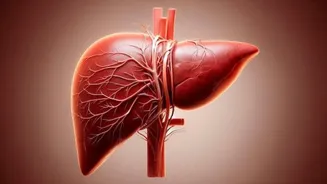
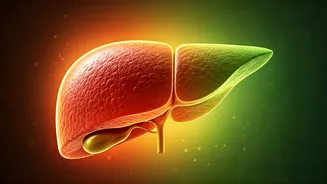
The accumulation of extra pounds significantly elevates the risk of developing liver diseases, particularly fatty liver, which often progresses undetected. This condition, where excess fat builds up in the liver, is a growing health issue in India and is closely linked to the prevalence of obesity. The primary concern with fatty liver disease is its insidious nature, often showing no symptoms until it reaches advanced stages, making early detection challenging and highlighting the widespread nature of obesity.
Obesity and Liver Fat
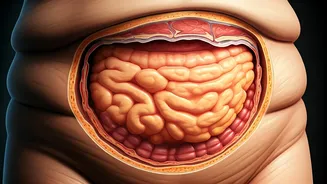
Obesity directly contributes to the development of non-alcoholic fatty liver disease (NAFLD), a common form of liver ailment. Dr. Sumeet Shah, a renowned bariatric surgeon, explains that the excess fat stored around the abdomen intensifies insulin resistance and promotes fat deposition within the liver. This escalating fat buildup can occur without noticeable symptoms in its initial phases. If left unchecked, fatty liver can lead to severe consequences, including inflammation, scarring of the liver tissue (fibrosis), cirrhosis, and in critical cases, complete liver failure. Factors commonly associated with obesity, such as type 2 diabetes, elevated cholesterol levels, and metabolic syndrome, further exacerbate liver health issues, creating a complex web of interconnected risks.
Five Pillars of Prevention
Preventing and managing fatty liver disease hinges on several key lifestyle adjustments, as advised by medical experts. Firstly, achieving and maintaining a healthy weight is paramount; even a modest reduction of 7–10% of body weight can significantly decrease liver fat and reduce inflammation. Secondly, dietary modifications are crucial, focusing on a balanced intake low in refined carbohydrates, sugars, and saturated fats, while emphasizing high-fiber foods, lean proteins, and healthy fats. Thirdly, consistent physical activity, including both aerobic exercise and strength training, is vital for improving insulin sensitivity and aiding fat loss. Fourthly, actively controlling metabolic conditions like diabetes, high cholesterol, and high blood pressure is essential to halt the progression of liver disease. Finally, it is important to avoid excessive alcohol consumption and unnecessary medications that can place additional stress on the liver.
Holistic Liver Care
Beyond the foundational lifestyle changes, a comprehensive approach to liver health involves consistent monitoring and proactive management. Regular physical activity, encompassing both cardiovascular exercises and resistance training, plays a dual role in enhancing insulin sensitivity and promoting overall fat reduction, which directly benefits liver health. Furthermore, diligently managing pre-existing metabolic conditions such as diabetes, high cholesterol, and hypertension is critical. This proactive management not only improves general well-being but also directly mitigates factors that contribute to liver damage and disease progression. In situations where lifestyle interventions are insufficient for weight management, bariatric surgery is presented as a viable option by specialists. This surgical intervention can effectively reduce liver fat levels, diminish inflammation, and in some instances, even reverse early stages of liver scarring.