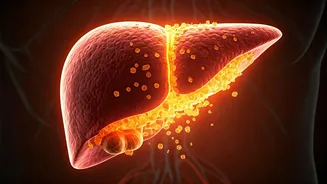








The Winter Gut Slump
Winter's embrace often leads to a noticeable slowdown in our digestive processes. Heavier, more repetitive meals characterized by refined carbohydrates,
a lack of fiber diversity, and fewer raw or lightly cooked foods become commonplace. Coupled with reduced physical activity and disrupted sleep patterns, these habits conspire to make our guts feel tired and sluggish by the time February rolls around. This isn't about severe damage, but rather a cumulative fatigue that manifests as increased bloating, perplexing hunger cues, and common issues like acidity or constipation. February emerges as the opportune moment because these signs become apparent enough to warrant attention, yet aren't so extreme as to necessitate drastic interventions, making it a gentle transition point for digestive recovery.
February: The Quiet Reset
In contrast to the often overwhelming diet trends and stringent challenges of January, February provides a tranquil environment for a gut reset. This less pressured month encourages a more mindful approach, allowing individuals to truly tune into their body's signals rather than adhering to rigid plans. The absence of intense 'start over' mentality shifts the focus towards sustainable practices, making digestive improvement feel less like a punishment and more like a nurturing process. A calm, consistent, and adaptable strategy is key for a successful gut reset, and February's understated atmosphere naturally fosters this mindset, paving the way for lasting positive changes.
Understanding Gut Reset Basics
A true gut reset in February isn't about restrictive detoxes or eliminating entire food groups. Instead, it emphasizes a return to fundamental principles for digestive health. This involves the gradual incorporation of increased fiber through a variety of vegetables, fruits, and whole grains to support a diverse gut microbiome. Reintroducing fermented foods, such as yogurt or buttermilk, can also be beneficial for gut bacteria. Establishing regular meal times, moving away from constant grazing, and ensuring adequate hydration are crucial. Importantly, this process encourages mindful observation of how the body responds, focusing on building balance rather than just suppressing symptoms.
Seasonal Foods for Digestion
The arrival of February ushers in a welcome abundance of fresh vegetables and vibrant citrus fruits, which are intrinsically beneficial for digestive health and enhancing gut bacteria diversity. These seasonal offerings gently stimulate the digestive system, providing the nutrients needed for balance without overwhelming it, a stark contrast to the heavy, complex meals of winter or the shock of extreme cleansing diets. This natural synergy between seasonal produce and the body's needs makes the February gut reset feel organic and effortless. By embracing these readily available, nutrient-rich foods, individuals can support their digestive recovery in a way that feels harmonious and sustainable, setting a positive tone for the months ahead.
The True Goal: Holistic Wellness
The ultimate aim of a February gut reset extends far beyond superficial outcomes like weight loss or a flatter stomach. The primary objective is to cultivate a sense of inner clarity, achieve smoother digestion, maintain consistent energy levels, bolster the immune system, and re-establish sensible hunger cues. When the gut ecosystem is in a state of equilibrium, it positively impacts nearly every aspect of health and well-being, making daily life feel more manageable and enjoyable. February offers a crucial period of recuperation, providing the body with the necessary breathing room to rebuild this vital balance before the year's pace intensifies, making it a remarkably effective, albeit often overlooked, month for prioritizing gut health.