




Decoding Fiber Labels
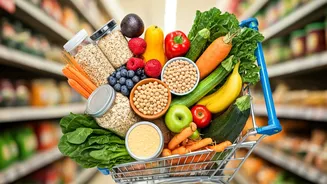
When navigating the grocery aisles to boost your fiber intake affordably, understanding product labels is paramount. Not all 'high fiber' claims are created
equal, and it's crucial to look beyond marketing buzzwords. The Nutrition Facts panel is your most reliable tool. Products designated as 'high fiber' must offer at least 5 grams of fiber per serving, while those labeled a 'good source of fiber' contain a minimum of 2.5 grams. Relying on these specific metrics ensures you're choosing foods that genuinely contribute to your daily fiber goals. This precise approach allows you to differentiate between products and make informed decisions that align with both your nutritional objectives and your budget, preventing you from overpaying for items that don't deliver on their fiber promise.
Organic vs. Conventional
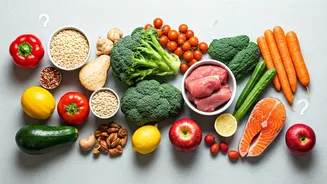
For individuals aiming to increase their fiber consumption while remaining budget-conscious, the distinction between organic and conventional produce often becomes a point of inquiry. However, expert advice indicates that from a fiber perspective, the difference is negligible. Whether a fruit or vegetable is grown organically or conventionally does not significantly impact its fiber content. Therefore, when the primary goal is maximizing fiber on a limited budget, prioritizing affordability and the actual fiber quantity present in the food should take precedence over the production method. This practical approach ensures that your spending is directed towards the most effective nutritional outcomes without unnecessary cost.
Strategic Bulk Buying
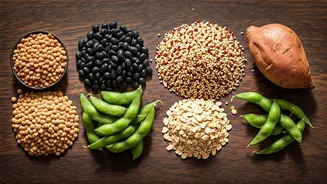
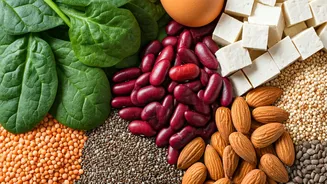
The decision to buy in bulk can be a significant money-saver, but its effectiveness hinges on the type of food and how quickly it will be consumed. Shelf-stable items that are frequently used are ideal candidates for bulk purchases. Think along the lines of dried beans, oats, brown rice, nuts, and seeds, which generally offer a lower price per ounce when bought in larger quantities and store well over extended periods. For fiber-rich options like nuts and seeds, which can otherwise feel costly, approaching bulk buying with intention is key. By selecting items you'll incorporate into your diet consistently—such as adding sunflower seeds to salads, ground flax to oatmeal, or enjoying peanuts as a snack—you ensure that the larger investment yields regular nutritional benefits and cost savings.
Batch Cooking Fiber Staples
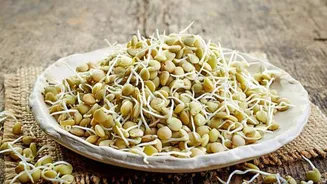
To further extend your budget and simplify meal preparation, batch cooking key fiber-rich ingredients is an excellent strategy. The recommendation is to build meals around inexpensive fiber anchors and creatively repurpose them across various dishes throughout the week. By cooking a large batch of beans or lentils, preparing a generous portion of brown rice or quinoa, or roasting several sweet potatoes at once, you create versatile components for future meals. Any excess can be conveniently frozen in individual portions for later use. These prepared staples can then be transformed into diverse meals like hearty bowls, flavorful soups, satisfying tacos, vibrant salads, or even a nutritious grain-based breakfast, effectively reducing food waste and curbing impulse spending on convenience foods mid-week.
Tracking and Adjusting Habits
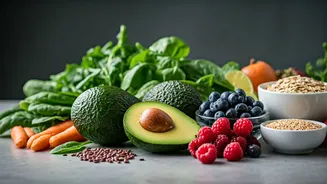
For those committed to enhancing their fiber intake without straining their finances, consistent tracking provides invaluable insights. Utilizing tools that monitor your daily food consumption helps to close the loop on your dietary goals. By observing which meals contribute most significantly to your fiber intake and identifying areas where small additions, like incorporating berries or beans, can make a substantial difference, you gain a clearer understanding of your eating patterns. This process of tracking and subsequent adjustment ensures that your grocery shopping is not merely about acquisition but about purposeful utilization of your purchases. Strategic shopping, therefore, encompasses what you buy, how you consume it, and the overall impact on your fiber goals and budget.