





Journey By Road
The most popular and visually stunning approach to Kedarnath is by road. The final motorable point is Gaurikund, the gateway to the spiritual trek. Major
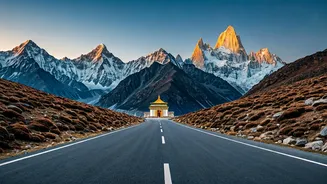
cities like Delhi offer convenient bus and car routes to Rishikesh or Haridwar, both accessible via well-maintained highways. From Rishikesh, the scenic drive meanders through charming towns such as Devprayag, Rudraprayag, and Guptkashi, culminating at Gaurikund. During the pilgrimage season, public buses and shared taxis are readily available. Upon arrival at Gaurikund, the 16-18 km trek to the temple can be undertaken on foot or by hiring ponies, palanquins, or utilizing helicopter services for a quicker ascent.
Travel By Train
For those opting for rail travel, the closest railway stations are located in Rishikesh and Haridwar. Haridwar station boasts better connectivity with major cities across India, making it a preferred choice for many pilgrims. From either Haridwar or Rishikesh, the journey transitions to a road trip towards Gaurikund, traversing the same breathtaking mountain landscapes. While train travel offers comfort and affordability, it necessitates a subsequent road journey and the final trek to complete the pilgrimage.
Flights To Kedarnath
The quickest method to reach the Kedarnath vicinity is by air. The nearest operational airport is Jolly Grant Airport, situated close to Dehradun. This airport facilitates flights connecting to major metropolitan areas like Delhi and Mumbai. From Dehradun, the onward travel to Gaurikund is approximately a 7-8 hour drive, contingent on traffic and weather conditions. To bypass the lengthy trek, helicopter services operate from locations including Phata, Sersi, and Guptkashi, providing spectacular aerial views of the Himalayan range and significantly reducing travel time.
The Final Trek
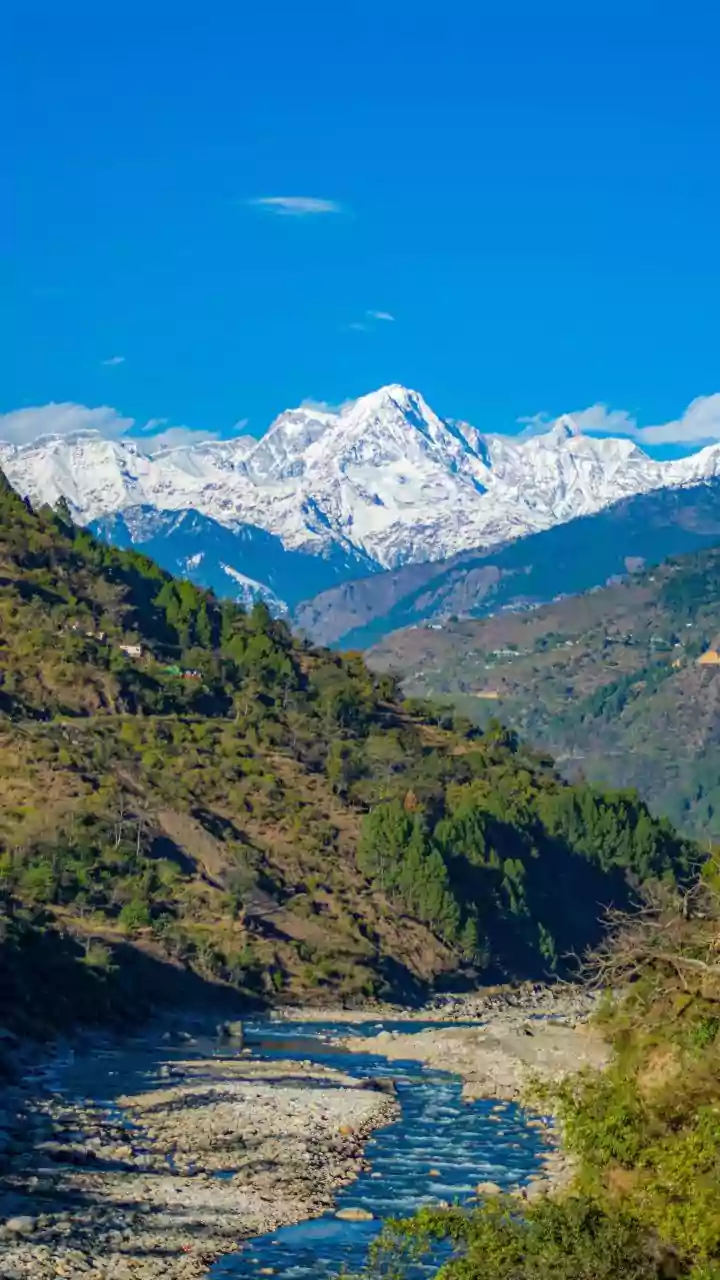
Regardless of the chosen mode of transport, the concluding segment from Gaurikund to the Kedarnath temple involves a trek through rugged yet remarkably beautiful terrain. The pathway has been enhanced with improved facilities, including designated rest stops, essential medical assistance points, and food vendors, making the pilgrimage more accessible than in previous years. The duration of this trek typically ranges from 6 to 10 hours, depending on individual walking pace and endurance.