




Protein Powerhouse Introduction
For a long time, eggs have dominated the conversation around high-protein breakfasts. However, traditional Indian cuisine has long offered a wealth of protein-rich
options that nourish and sustain. These meals, often built on lentils, dairy, and grains, provide steady energy and satiety, meeting or exceeding the protein found in eggs while also delivering essential fiber and complex carbohydrates. The recommended daily protein intake for an average adult is about 0.8–1 gram per kilogram of body weight, ideally spread throughout the day. Starting the day with a protein-rich breakfast is crucial for stabilizing energy levels, aiding muscle repair, and preventing mid-morning energy slumps. This exploration delves into eight such traditional Indian breakfasts that prove you can achieve a protein boost without relying solely on eggs.
Moong Dal Chilla Delight
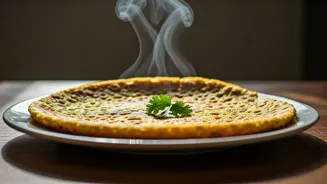
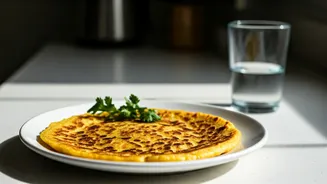
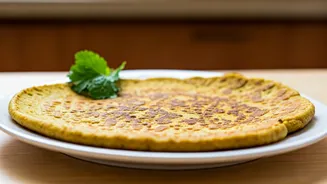
This delightful chilla, made from split yellow moong dal, offers an impressive 14–16 grams of protein per serving of two medium chillas. The process begins by soaking the dal for 3–4 hours, then grinding it into a smooth batter with ginger, green chilli, and a little water. Adding salt, chopped onions, or coriander enhances its flavour and texture. Allowing the batter to rest briefly before cooking ensures softer chillas with crisp edges. For an extra nutritional punch and vibrant colour, finely chopped vegetables like grated carrot, spinach, or capsicum can be incorporated. These additions boost fibre and micronutrients without altering the dish's lightness. Moong dal's inherent digestibility and plant protein make these chillas an excellent choice for a filling yet gentle morning meal, providing steady energy. Their versatility allows for easy adaptation with available ingredients, and a light whisking of the batter before cooking ensures they are light rather than dense. Serving with curd or mint chutney further elevates its protein content, creating a wholesome and satisfying start to the day.
Besan Cheela Goodness
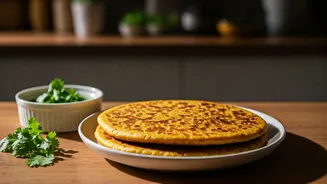
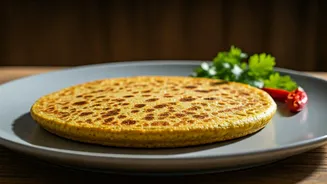
Providing 12–14 grams of protein per serving, besan cheela is a versatile and nutritious breakfast staple. The batter is prepared by whisking gram flour with water, turmeric, chilli powder, and salt until lump-free. Finely chopped onions, tomatoes, and spinach are then added for texture and flavour. A hint of lemon juice or yogurt mixed into the batter adds a subtle tanginess, helping the chilla remain soft internally. Whisking the batter to incorporate air results in a lighter, fluffier texture. Grating vegetables finely ensures they blend well and cook evenly, preventing the chilla from breaking. Besan cheela is celebrated for its convenience and nourishment, cooking rapidly and adapting to seasonal vegetables. Serving it with a side of yogurt or paneer stuffing significantly boosts its protein count. For those seeking additional benefits, a spoonful of grated carrots or shredded cabbage can be folded in, enhancing fibre and sweetness. A brief rest for the batter allows the gram flour to hydrate, leading to a smoother consistency and better binding, while a pinch of ajwain or cumin aids digestion.
Hung Curd Parfait Richness
This luxurious hung curd parfait boasts a substantial 17–20 grams of protein per serving, making it a powerful start to your day. To prepare, thick curd is drained in a muslin cloth for several hours to remove whey, creating a rich, creamy base. This smooth curd is then layered with a delightful mix of roasted almonds, walnuts, pumpkin seeds, and seasonal fruits. For an enhanced mouthfeel and even topping distribution, gently whisking the hung curd before assembly is recommended. To further boost its nutritional profile and flavour, consider folding in chia seeds or soaked raisins for extra fiber and sweetness. The interplay of textures – the creamy curd against the crunchy nuts and seeds, complemented by the juicy fruit – creates a truly satisfying experience. Finely chopped dates or figs can also be layered in for added sweetness and minerals. Serving the parfait chilled helps the flavors meld, resulting in a refreshing and light meal that supports satiety and curbs mid-morning hunger due to its high protein and healthy fat content.
Sprouted Moong Salad Power
This vibrant sprouted moong salad offers a light yet protein-rich option, providing 14–15 grams of protein per bowl. The preparation involves soaking whole green moong overnight and allowing it to sprout for a day. The sprouts can then be lightly steamed or sautéed with traditional tempering ingredients like mustard seeds and curry leaves, or simply tossed raw with fresh elements such as onions, tomatoes, and lemon juice. Enhancing the salad with grated carrot, cucumber, or pomegranate seeds adds freshness, natural sweetness, and increased fibre, making the bowl feel more complete and satisfying. Sprouted moong is valued for its balance of nourishment and digestibility, providing steady energy without heaviness. Its minimal preparation and adaptability to seasonal ingredients make it a convenient choice for busy mornings. Sprouting itself enhances nutrient absorption, making the legumes easier to digest and increasing vitamin content. A drizzle of cold-pressed mustard oil or a sprinkle of roasted peanuts can further elevate its flavour and texture, creating a wholesome meal that sustains energy levels while remaining light on digestion. Some variations even include paneer for an additional protein boost.
Paneer Bhurji Savour
Paneer bhurji, a delightful scramble of Indian cottage cheese, offers a protein-rich breakfast of 15–17 grams per serving. The dish is celebrated for its culinary flexibility; the simple base readily accepts flavour adjustments based on available ingredients. A dash of milk can introduce softness, while a squeeze of lemon at the end brightens the spices. Kasuri methi adds warmth, and finely chopped ginger contributes gentle sharpness, allowing the recipe to feel fresh with each preparation. For enhanced texture and nutrition, consider sprinkling in soaked chia seeds or crushed flaxseeds, or folding in finely chopped capsicum or spinach for added fibre and colour. Paneer bhurji cooks quickly and pairs beautifully with various Indian breads, making it suitable for both everyday meals and festive occasions. Its adaptability highlights the practical wisdom of Indian kitchens, where simple ingredients and versatile recipes are key. The dish reflects a connection to regional cuisines and the need for sustained nourishment, making it a comforting and satisfying choice.
Sattu Paratha Fuel
This hearty sattu paratha provides 15–17 grams of protein per paratha, making it an incredibly filling and nutritious breakfast. The flavourful stuffing is created by mixing roasted gram flour (sattu) with chopped onions, green chillies, ajwain, lemon juice, and mustard oil. This mixture is then encased in whole-wheat dough, rolled gently, and cooked on a hot tawa with minimal ghee until golden spots appear. The mustard oil imparts a distinct, rustic aroma, while lemon juice keeps the filling bright and balanced. Adding roasted cumin powder or finely chopped coriander can deepen the flavour, enhancing its comforting, homely profile. Sattu's natural nuttiness intensifies when warmed, releasing a satisfying aroma. Pressing the edges carefully seals the dough, and cooking on medium heat ensures even cooking of the sattu mixture and a tender yet lightly crisp outer layer. The stuffing should remain slightly crumbly for easier rolling. Traditionally served with curd or pickle, this paratha offers sustained satiety through its plant protein and fibre content.
Adai Dosa Protein
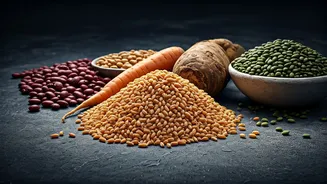
Adai dosa, a mixed lentil dosa, delivers a substantial 14–16 grams of protein per serving and is a testament to the power of plant-based protein. The batter is prepared by soaking a blend of toor dal, chana dal, urad dal, and a small amount of rice for 4–5 hours, then grinding it into a slightly coarse mixture with dried red chillies and cumin. This lentil-rich base is packed with plant protein and fiber, offering a heartier alternative to regular dosa. Adding ginger or curry leaves during grinding can enhance flavour and aid digestion, while a pinch of asafoetida or black pepper can aid digestibility. The multiple dals contribute a deeper nutty flavour and a balanced amino acid profile. For increased nutritional value, some cooks add soaked moong dal or finely chopped spinach. The batter requires a brief resting period for flavours to meld and lentils to hydrate, improving texture and developing mild natural fermentation. This adai dosa is cooked thicker than a standard dosa and served with coconut chutney or avial for a complete, protein-rich meal.
Peanut Poha Boost
Peanut poha offers a comforting and quick breakfast option with 11–13 grams of protein per serving. The preparation begins by briefly rinsing thick poha and setting it aside. A tempering of mustard seeds, curry leaves, and green chillies is prepared in a pan, followed by the addition of roasted peanuts and onions. Turmeric and softened poha are then tossed in, mixed gently to maintain the delicate flake structure. Allowing the poha to steam lightly on low heat for a minute helps the flavours meld evenly without making it mushy. The inclusion of peanuts significantly boosts the protein content, contributing to a dish that is both satisfying and easily prepared. Finishing touches of lemon juice and coriander add brightness and freshness. This dish is a testament to how simple ingredients can create a nourishing and delicious breakfast that provides sustained energy and a good source of plant-based protein.