







Market Closures Explained
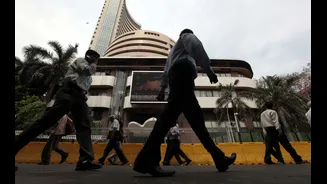
The Indian stock market, managed by the BSE and NSE, experiences closures on specific days, known as trading holidays. These holidays are determined and announced
in advance, providing investors with information to plan their trading activities. The closures offer a respite from the regular trading cycle and often coincide with significant cultural or national events. It is essential for traders and investors to stay informed about these dates to avoid unexpected disruptions in their trading plans. Recognizing these closures allows for strategic decisions, like adjusting investment strategies or rebalancing portfolios around the holiday periods. Trading halts affect the ability to buy and sell stocks, emphasizing the significance of these dates in the financial calendar. The BSE and NSE announce holidays ahead of time to allow market participants to adjust accordingly.
Trading Resumption Noted
Following a trading holiday, the markets will typically reopen the next business day. For example, if a holiday falls on a Thursday, trading activities on the BSE and NSE will resume the following Friday. Investors should be aware of this resumption schedule to execute their trading strategies effectively. Keep in mind that market dynamics, which could have been affected by events occurring during the holiday, may affect the way your stocks perform. The trading day immediately after a holiday might bring a different set of opportunities, or even potential challenges, due to the pause in market activity. Investors should always consider the context of the re-opening when making their trading decisions, including how external events could have possibly impacted market dynamics. Consequently, understanding the trading resumption timelines is critical for a smooth operational framework within the Indian stock market.