



Tofu: Protein Powerhouse
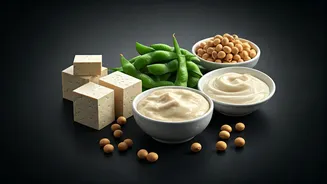
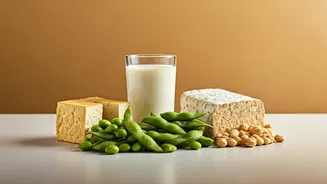
Tofu stands out as a versatile and widely accessible soy product, primarily formed from soy milk, which imbues it with a substantial quantity of plant-based
protein. This protein content is fundamental for hair health because hair itself is predominantly composed of keratin, a protein. When your dietary protein intake is insufficient, your body tends to prioritize vital organs over hair growth, leading to slower development. Tofu effectively bridges this nutritional gap, also contributing essential iron and calcium that bolster scalp health and enhance hair resilience. It can be seamlessly integrated into various culinary creations, from curries and stir-fries to grilled dishes, requiring minimal preparation beyond appropriate seasoning to become a valuable dietary addition for hair fortification.
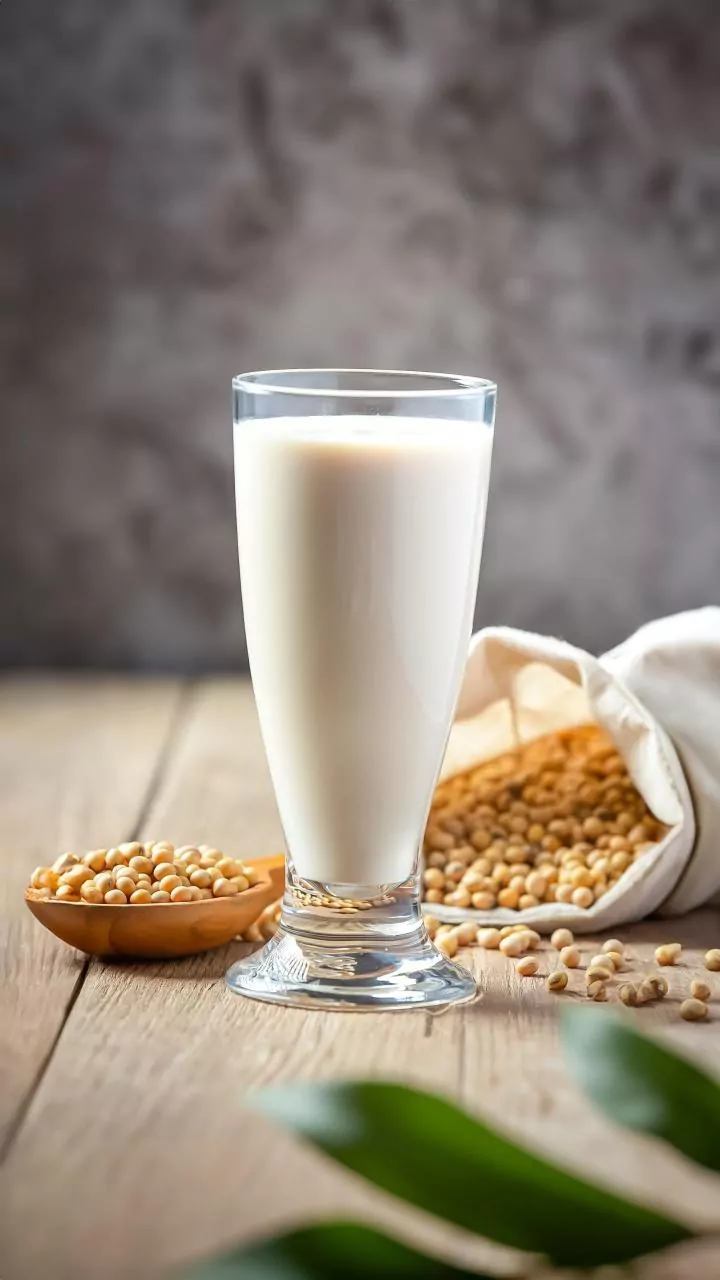
Soy Milk: Easy Elixir
Switching to soy milk offers one of the most effortless dietary modifications for supporting hair. Whether consumed plain, blended into smoothies, or added to beverages like coffee and tea, its utility for hair stems from its rich combination of protein and amino acids. These fundamental components are crucial for reducing hair breakage and progressively strengthening hair strands. Furthermore, many commercially available soy milk varieties are fortified with essential vitamins, such as B12 and D, which are frequently associated with optimal hair health. Deficiencies in these vitamins are commonly observed in individuals experiencing hair thinning. While not an immediate cure, consistently incorporating soy milk into your weekly intake can subtly but effectively elevate your nutritional status, benefiting your hair without demanding significant lifestyle changes.
Edamame: Nutrient-Dense Snack
Edamame, essentially young soybeans typically served boiled and lightly salted, presents a seemingly simple yet incredibly nutrient-dense snack option. It boasts a compelling profile of protein, iron, folate, and healthy fats. The presence of iron is particularly noteworthy, as iron deficiency is a leading cause of hair loss, especially among women. Folate plays a critical role in cellular proliferation and repair processes, including those vital for hair follicles. Alongside protein's role in reinforcing hair structure, edamame's nutritional benefits extend to supporting overall hair strength. Its advantage lies in being a healthier alternative to conventional snacks like chips; consuming a bowl of edamame nourishes your body and simultaneously supports your hair's well-being.
Soy Nuts: Crunchy Support
Soy nuts, derived from roasted soybeans, offer a satisfyingly crunchy snack that contributes significantly to hair health. They are particularly rich in protein and also provide zinc, an indispensable mineral for hair vitality. Zinc is crucial for tissue repair mechanisms, and its insufficiency can manifest as weak, brittle hair prone to increased shedding. The convenience of soy nuts makes them an ideal choice for on-the-go consumption, whether for work, travel, or inter-meal snacking. While not immediately apparent as a 'hair food,' their regular inclusion in the diet can quietly foster stronger hair over an extended period, making them a practical and beneficial addition.
Tempeh: Fermented Powerhouse
Although perhaps less common in some kitchens, tempeh emerges as one of the most nutritionally robust soy-based foods. Created from fermented soybeans, it is not only abundant in protein but also benefits from enhanced digestibility due to the fermentation process. This fermentation also introduces beneficial probiotics, which contribute to improved gut health. Enhanced digestion translates directly to better nutrient absorption, ensuring that the vital nourishment reaches your hair follicles more effectively. Tempeh is a filling and dense food, packed with micronutrients. It can be incorporated into stir-fries, salads, or served as a protein-rich side dish, providing substantial nutritional support for overall health, including hair vitality.