



Portion Control Power
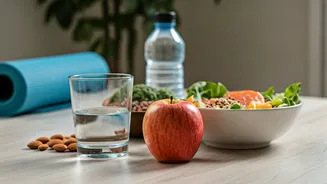
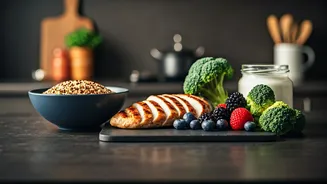
Becoming mindful of portion sizes is paramount when preparing meals for diabetes management. Instead of overwhelming plates, focus on balanced proportions
of carbohydrates, proteins, and healthy fats. For instance, when serving rice or roti, consciously limit the carbohydrate portion to about a quarter of the plate, dedicating the largest portion to non-starchy vegetables, and a smaller section to lean protein sources like dal, chicken, or fish. This visual cue helps prevent overconsumption of blood sugar-spiking ingredients. Employing smaller serving dishes can also psychologically aid in managing how much food is placed on the plate. Prioritizing fiber-rich vegetables and whole grains over refined options naturally contributes to better satiety and slower glucose absorption, making portion control a more achievable and effective strategy for maintaining stable blood sugar levels throughout the day.
Smart Grain Selection
The choice of grains plays a pivotal role in managing diabetes through diet. Shifting away from refined grains like white rice and maida-based products towards whole grains such as jowar, bajra, and whole wheat is a significant step. These whole grains are rich in fiber, which slows down the digestion and absorption of sugar, leading to a more gradual rise in blood glucose levels. For example, incorporating jowar rotis instead of traditional wheat rotis can offer a lower glycemic index and a different nutrient profile. Additionally, exploring ancient grains and millets can introduce variety and specific health benefits. When preparing rice, opt for brown rice or parboil it, as studies suggest these methods can reduce its glycemic impact. Understanding the glycemic index of different grains empowers informed choices for a healthier diabetic diet.
Embrace Healthy Fats
Incorporating the right kind of fats into your cooking is crucial for a balanced diabetic diet. Prioritize unsaturated fats found in sources like mustard oil, groundnut oil, and ghee in moderation, over saturated and trans fats. These healthy fats not only add flavor but also contribute to satiety, helping to prevent overeating. When cooking, consider methods like tempering spices in a small amount of oil rather than deep-frying. Including nuts and seeds as part of meals or snacks provides beneficial fats and fiber. For instance, a sprinkle of flaxseeds or chia seeds in your yogurt or salads can boost omega-3 fatty acid intake. Remember, while fats are essential, moderation is key, even with healthier options, to manage overall calorie intake.
Flavorful Vegetable Focus
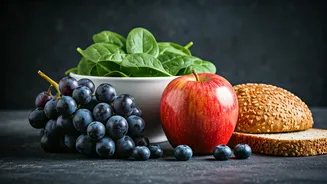
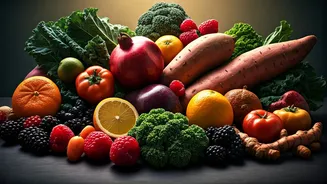
Making vegetables the star of your meals is a cornerstone of diabetes-friendly cooking. Aim to fill at least half your plate with a colorful assortment of non-starchy vegetables. These are typically low in carbohydrates and calories but packed with essential vitamins, minerals, and fiber. Instead of drowning them in heavy gravies, explore cooking methods like stir-frying, steaming, or roasting. For instance, a simple stir-fry with a variety of greens like spinach, fenugreek, and gourds, seasoned lightly with herbs and spices, offers a nutrient-dense and low-glycemic option. Incorporating vegetables like okra, bitter gourd, and carrots regularly is beneficial due to their fiber content and lower glycemic impact. Experimenting with different spices can elevate the taste without adding unhealthy fats or sugars.
Lean Protein Integration
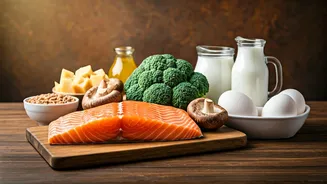
Ensuring adequate lean protein intake is vital for satiety and blood sugar stability in a diabetes diet. Protein has a minimal impact on blood glucose levels and helps in feeling fuller for longer, preventing unhealthy snacking. When preparing meals, include sources like lentils (dal), beans, chickpeas, tofu, paneer, fish, and lean poultry. For example, a bowl of mixed dal or a sabzi made with paneer and peas provides both protein and fiber. Grilling, baking, or stewing lean meats and fish are healthier alternatives to frying. Diversifying your protein sources ensures a broader spectrum of nutrients. Pairing protein-rich foods with complex carbohydrates and vegetables creates a well-rounded meal that supports stable energy levels and effective diabetes management.
Mindful Sweetener Use
Managing sugar intake is critical for individuals with diabetes, making mindful use of sweeteners a key cooking habit. Whenever possible, aim to reduce or eliminate added sugars in recipes. Rely on the natural sweetness of fruits to satisfy cravings, but be mindful of portion sizes. If a sweetener is necessary, consider natural, low-calorie alternatives like stevia or erythritol in moderation. When preparing traditional Indian sweets or desserts, explore sugar-free versions or significantly reduce the quantity of sugar used. For instance, instead of a sugar-laden kheer, a small portion of a fruit-based dessert or a naturally sweet option can be a healthier choice. Understanding the impact of different sweeteners on blood glucose is essential for making informed decisions.
Cooking Method Matters
The way you cook your food profoundly impacts its health profile for diabetes management. Prioritize cooking techniques that require minimal added fats and preserve nutrients. Steaming, boiling, baking, grilling, and stir-frying are excellent choices. For example, steaming idlis or dhokla is a healthier preparation method than frying them. Instead of deep-frying snacks like pakoras or samosas, consider baking or air-frying them to achieve a similar crispness with significantly less oil. When making curries or sabzis, opt for sautéing vegetables in a little oil rather than making rich, creamy gravies. This approach not only reduces fat and calorie intake but also helps in retaining the natural flavors and nutritional value of the ingredients, contributing to better overall health.