






Dynamic Couch Stretch
Prolonged sitting often leads to tight hip flexors and a stiff lower back. The dynamic couch stretch is designed to open up these areas, providing much-needed
relief. For beginners, the recommendation is to fluidly move in and out of the stretch for 30 to 60 seconds, gently easing the muscles. Those with a bit more experience, or at an intermediate level, can progress by holding the stretch for a similar duration, ensuring their foot and shin are aligned against a wall for deeper engagement and support. This active stretching helps to improve hip mobility and alleviate discomfort often associated with sedentary work, promoting better pelvic alignment and reducing lower back strain.
The Facepull Exercise
To counteract the common issue of rounded shoulders and a caved-in chest from desk work, the facepull exercise is highly effective. This movement, performable with either a resistance band or a cable machine, directly targets the muscles in the rear deltoids, rhomboids, and upper back. By engaging these muscles, the facepull actively pulls the shoulder blades back, encouraging a more upright and proud posture. The expert suggests incorporating two to three sets of this exercise weekly, aiming for 12 to 15 repetitions per set. Consistent practice helps build strength in these often-neglected upper back muscles, crucial for maintaining an open chest and a tall stance throughout the day.
Mastering Dead Hangs
Dead hangs are a remarkably simple yet profoundly effective exercise for improving shoulder mobility and overall posture, particularly for those who spend hours seated. By simply suspending oneself from a pull-up bar, individuals can achieve spinal decompression, which is vital for alleviating pressure built up from sitting. This exercise also offers significant benefits for shoulder joint health, stretching the latissimus dorsi and chest muscles, and even enhancing grip strength. For beginners, aiming for 30 seconds of hanging, potentially with assistance, is a good start. Intermediate practitioners can work towards holding for 60 seconds, while advanced individuals can aim for two minutes, progressively increasing the duration to maximize the spinal and shoulder benefits.
Strengthening With Hip Thrusts
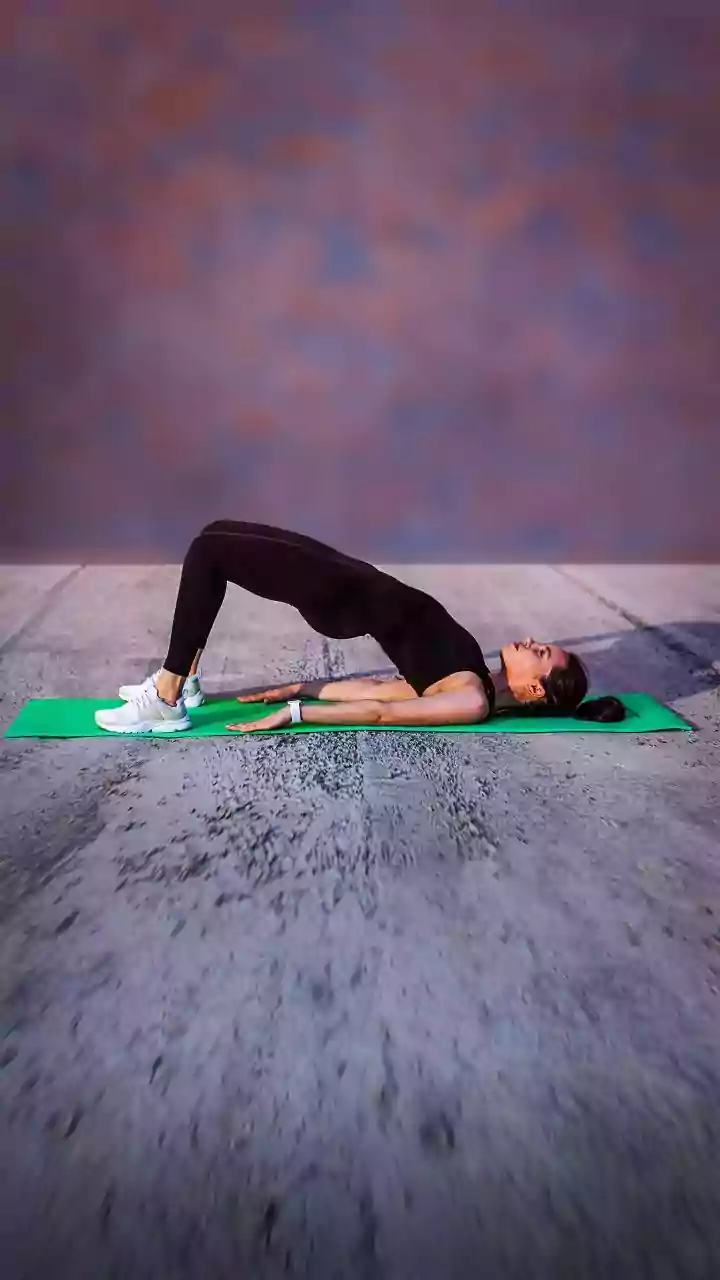
Individuals accustomed to extensive periods of sitting often experience weakened glutes, which can contribute to poor posture and lower back issues. Hip thrusts are an excellent exercise to directly address this by significantly strengthening the gluteal muscles. This strengthening allows for better pelvic support and promotes a straighter, more upright stance. Hip thrusts can be performed using just bodyweight for resistance, or they can be intensified with the addition of dumbbells or a barbell. The general recommendation is to aim for two to three sets per week, with each set consisting of eight to 15 repetitions, ensuring a thorough workout for these essential postural muscles.
The McGill Big 3
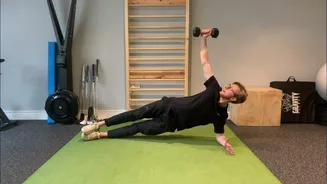
The McGill Big 3 is a trio of exercises—the Bird Dog, Side Plank, and McGill Crunch—collectively designed to bolster core and glute stability. This enhanced stability is paramount in preventing low back pain and significantly improving posture. When performing these movements, it's crucial to consciously brace the abdominal muscles by pushing them outward slightly and to actively squeeze the glutes. This engagement ensures that the core is properly activated to support the spine. A targeted approach of performing six repetitions for each of the three exercises is suggested to effectively build the necessary foundational strength and stability for a healthier back and better posture.
The Power of Walking
As perhaps the most straightforward yet vital countermeasure to a sedentary lifestyle, walking offers profound benefits for those with desk jobs. Daily walks actively engage the muscles and ligaments surrounding the lower back, providing essential support and reducing stiffness. Furthermore, this simple activity aids in circulating synovial fluid within the joints, which is crucial for maintaining lubrication and ensuring smoother, pain-free movement. The fitness coach strongly recommends dedicating at least 20 to 30 minutes each day to walking, making it an accessible and indispensable habit for combating the detrimental effects of prolonged sitting and promoting overall physical health.
Targeting Upper Back
To specifically address the upper back and shoulder discomfort common among desk workers, exercises that focus on retracting the shoulder blades are crucial. Movements that encourage pulling the arms backward, such as specific band pulls or rows, help to activate the rhomboids and the rear deltoids. This targeted strengthening is essential for counteracting the forward pull of the shoulders that often develops from prolonged computer use. By consistently working these muscles, individuals can improve their posture, reduce the feeling of tightness across the chest, and achieve a more open and erect upper body alignment, contributing to greater comfort and reduced strain.
Glute Activation Matters
The gluteal muscles play a pivotal role in maintaining good posture and supporting the lower back, yet they often become underactive and weak from extended periods of sitting. Incorporating exercises that specifically target glute activation is therefore essential. Beyond hip thrusts, movements like glute bridges, where one lies on their back and lifts their hips, or even simply squeezing the glutes while standing, can help reawaken these crucial muscles. Stronger glutes provide a stable base for the pelvis, reduce the load on the lower back, and contribute to a more balanced and upright physique, combating the common postural issues associated with sedentary work.