





The Essence of Coorgi Food
Coorgi cuisine, originating from the lush Kodagu district in Karnataka, is deeply rooted in the heritage of the Kodava community, historically a warrior
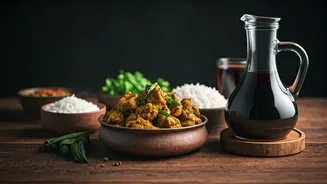
and agricultural populace. This influence is evident in its hearty, practical, and nourishing meals, designed to sustain an active lifestyle. The culinary traditions are built upon fundamental ingredients like rice, coconut, curry leaves, and aromatic spices such as pepper and cardamom, but it's the skillful balance of these elements that truly defines its character. A distinctive feature is the prominent use of pork, often prepared through barbecue methods, and the integral role of homemade wine, traditionally consumed daily for its perceived health and sleep-inducing benefits. This cuisine is characterized by an inherent earthiness and a sharp, tangy note, frequently derived from kachampuli, a local vinegar, which imparts a unique signature to many dishes. The cooking methods themselves are often slow and deliberate, allowing flavors to develop organically rather than relying on complex culinary techniques. This thoughtful approach ensures that the food retains an authentic, honest quality that resonates with those who taste it.
Signature Dishes and Flavors
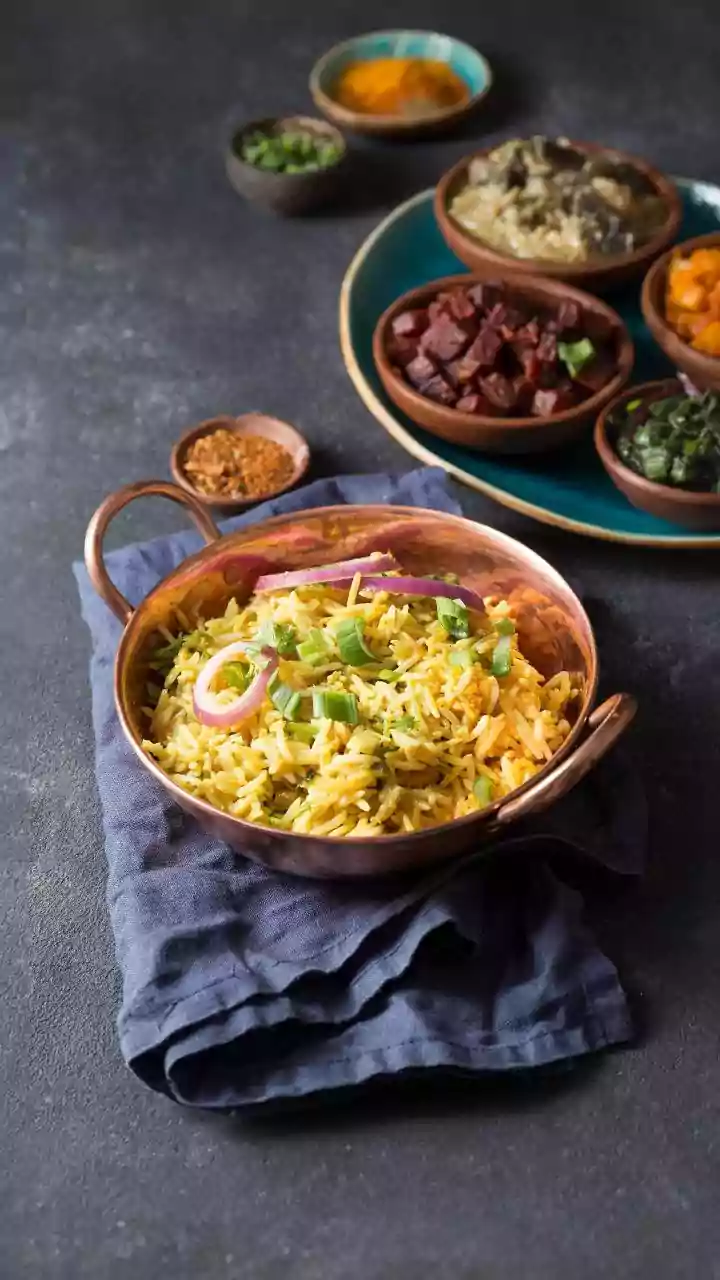
Iconic Coorgi dishes beautifully encapsulate the cuisine's straightforward yet profound character. Among these, Pandi Curry, a flavorful pork curry, paired with Kadumbuttu (steamed rice dumplings) or Noolputtu (rice noodles), stands out as a quintessential representation. These combinations offer a taste of what Chef Harsh Shodhan describes as 'honest food that stays with you.' The distinctiveness of Coorgi food is often attributed to ingredients like kachampuli, a special local vinegar, which lends a sharp, tangy dimension that cuts through the richness of dishes, especially those featuring pork. This ingredient, along with the careful selection and integration of spices, creates a flavor profile that is both earthy and vibrant. The preparation methods, characterized by slow cooking, allow the ingredients to meld beautifully, resulting in dishes that are not only delicious but also possess a comforting depth. The emphasis remains on simple, high-quality ingredients prepared with intentionality, ensuring that the natural flavors shine through without being overpowered by excessive spices or complex sauces, making each meal a memorable experience.
Nutritional Aspects and Balance
From a nutritional perspective, traditional Coorgi meals are robust, primarily due to their high protein content, a legacy of the Kodava community's active historical lifestyle. Dishes frequently incorporate pork and chicken as central protein sources. The use of various spices in these preparations contributes antioxidant and anti-inflammatory benefits, while fermented elements, such as kachampuli, are known to promote digestive well-being. However, the cuisine's nutritional profile can vary. Dishes featuring fatty cuts of meat and preserved ingredients might be higher in saturated fats and sodium. Veena V, a Chief Clinical Dietician, suggests that to achieve a balanced and nutritious meal, it's important to consume appropriate portions of rice and vegetables alongside controlled fat intake. By maintaining this balance, Coorgi cuisine can be both incredibly satisfying and health-promoting, providing sustained energy and essential nutrients without compromising on its rich, traditional flavors. The emphasis on wholesome ingredients and thoughtful preparation ensures that the cuisine remains a fulfilling choice.