






Origin of the Name
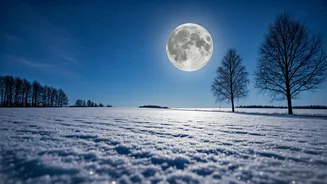
The Snow Moon's moniker originates from a period when winter's grip tightened, leaving communities struggling for sustenance. This was particularly true
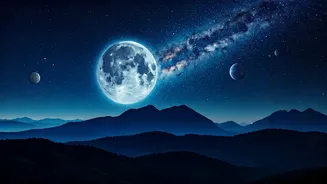
for many indigenous communities across North America, where the month of February typically sees the heaviest snowfall. The deep snow made hunting difficult, severely impacting the availability of food sources. As a result, February's full moon became known as the Hunger Moon, a stark reminder of the hardships faced during this time. The name served as a practical label and a cultural memory marker, deeply embedded in the collective consciousness of those who experienced it. This designation captured the essence of the season and its challenges, a testament to the resilience of those who endured its constraints. The term 'Snow Moon' is often used in modern times, reflecting the change in seasonal context and a subtle shift in cultural perceptions of the same event.
Lunar Lore Uncovered
Throughout history, the Snow Moon, like all full moons, has held a significant place in numerous cultural narratives and practices. Indigenous communities often associated it with specific rituals, ceremonies, and beliefs tied to survival and renewal. The full moon's illumination provided light, aiding in both practical activities like hunting and ceremonial observances. For example, some traditions involved storytelling sessions, passing down knowledge about the cycles of nature and spiritual beliefs under its silvery glow. In certain cultures, the Snow Moon was believed to influence moods, harvests, and even human behavior. These beliefs, though varying significantly from one group to another, highlight the deep connection between humans and the celestial sphere. Even in contemporary times, many people still feel a strong connection to the Moon and often incorporate its phases into their lives.
Darker Histories Explored
The history associated with the Snow Moon extends beyond the simple acknowledgement of harsh winter conditions. A deeper exploration reveals stories of struggle, hardship, and sometimes even the darker aspects of human existence. In periods of extreme cold and food scarcity, the full moon often served as a backdrop to difficult circumstances. For those who endured the conditions, it may have represented a time of desperation, a time when every decision held a greater impact on survival. It's during these times, when communities are tested by challenges such as famine or conflict, that the significance of the full moon truly becomes illuminated. Stories of resilience, community, and the human spirit often emerge from these historical records. The Snow Moon's remembrance reminds us to appreciate our collective past and to be thankful.
Cultural Symbolism Examined
The Snow Moon embodies different meanings across various cultures. While it is tied to survival in some, in others, it is a symbol of new beginnings and renewal. For many, the full moon is representative of a turning point, a time for reflection and action. The moon's cycles are naturally linked with ideas of change and transformation. Some indigenous cultures practiced ceremonies, while others marked it as a period for cleansing or healing rituals. Similarly, the Snow Moon reminds us of the interconnectedness of all living things. Understanding the symbolism allows us to deepen our appreciation for both the moon itself and the diverse tapestry of human experiences tied to it. The shared human connection to the moon creates a global consciousness.
Modern Day Reflection
In contemporary times, the Snow Moon still captures our imaginations. The advent of modern technology has further boosted awareness, with astronomical events broadcasted globally. Today, the name resonates, evoking a sense of continuity from the past. For some, the Snow Moon represents a moment of contemplation, a pause to reflect on our place in the universe. This provides an opportunity to consider our relationship with the natural world and the cycles that govern our lives. The Snow Moon continues to offer a portal for self-reflection, allowing us to connect with our ancestors and appreciate the wisdom they preserved for us. This provides a chance to reconsider our values and our aspirations for the future. The enduring legacy of the Snow Moon remains a timeless part of our human story.