






The Decline's Rise
The decline bench press, a fitness staple, experienced a surge in popularity due to its perceived effectiveness in targeting the lower pectoral muscles.
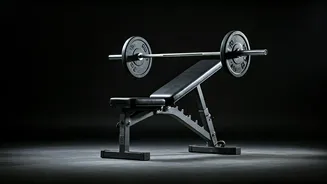
This exercise involved lying on a bench tilted downwards, feet elevated, and pressing a barbell or dumbbells towards the chest. During its peak, fitness enthusiasts and bodybuilders alike valued the decline bench press as a core component of their chest workouts. Its perceived advantages, including a broader range of motion and enhanced muscle fiber recruitment in the lower chest, solidified its place in gym routines. This particular bench press variation was also believed to be a great way to improve definition and overall chest development, hence its initial appeal.
Why It Faded
Several factors led to the decline of the decline bench press. One significant reason was the increased understanding of biomechanics and muscle activation. Research suggested that the decline bench press didn't offer a significant advantage over other chest exercises, like flat or incline bench presses, in terms of overall muscle growth. Safety concerns also played a role. The decline bench press, when performed incorrectly, increased the risk of injury, particularly in the shoulders. Additionally, modern fitness trends shifted towards exercises that offer more versatility and cater to a wider range of fitness goals. The rise of functional training and exercises that incorporate multiple muscle groups diminished the appeal of exercises that isolate specific muscles, such as the decline bench press.
Benefits Examined
Despite its declining popularity, the decline bench press still holds certain benefits. This exercise effectively targets the lower chest muscles, offering a different stimulus compared to flat or incline presses. The decline angle can allow individuals to lift heavier weights compared to the incline bench, potentially promoting greater strength development in the chest. For some, the decline bench press provides a more comfortable range of motion, reducing stress on the shoulders. Proper form and technique are critical to minimize the risk of injury. Moreover, it can be a useful tool for correcting muscle imbalances, particularly for those with underdeveloped lower pecs. However, it is essential to consider individual anatomy, fitness levels, and goals when deciding to incorporate the decline bench press.
Potential Drawbacks
Along with its benefits, the decline bench press has potential drawbacks that contributed to its decline. The positioning can put undue stress on the lower back, increasing the risk of injury, especially with heavy weights. Incorrect form can lead to shoulder injuries. Moreover, the decline angle may not be suitable for everyone. Individuals with pre-existing shoulder issues or limited mobility might find the exercise uncomfortable or even harmful. There are also concerns that the decline bench press may not provide a superior stimulus for overall chest development compared to other exercises. The importance of balanced training and considering a well-rounded chest workout that incorporates various angles cannot be overstated. Finally, the convenience of equipment availability in different gyms may also restrict the usage.
Still Worth It?
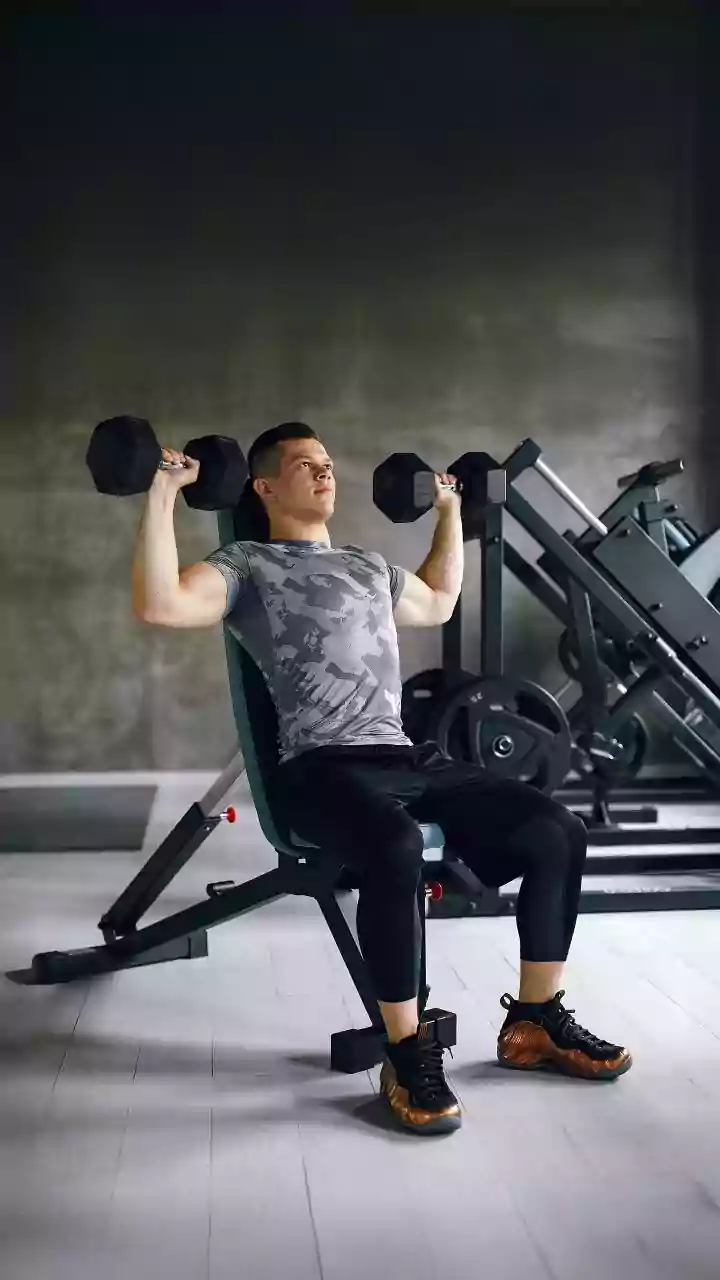
Deciding whether the decline bench press still belongs in your chest workout depends on your individual goals, experience, and physical condition. If your main objective is to specifically target the lower chest, and you can perform the exercise with proper form and without discomfort, then it can be a valuable addition. If you have shoulder issues or find the exercise uncomfortable, there are plenty of other effective chest exercises to choose from. Consider your broader fitness goals. A balanced approach incorporating various exercises, like flat, incline, and dumbbell presses, will generally yield better overall results. Always prioritize safety and listen to your body. Consulting a fitness professional can provide personalized guidance and ensure your workout program is tailored to your individual needs.