



Chiku's Sweetness Dilemma
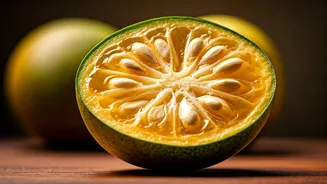
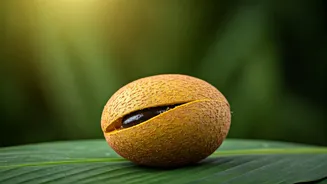
The delightful, caramel-like sweetness of chiku makes it a cherished fruit in many Indian households. However, for individuals managing diabetes, this
natural sweetness can raise concerns about its impact on blood sugar levels. While fruits are generally healthy, their effect on glucose can vary significantly. Chiku presents a particular challenge due to its inherent sweetness, its tendency to be consumed in larger portions than intended, and the ease with which it can morph into a substantial serving size before one realizes it. Effective diabetes management hinges on careful consideration of food portions, the timing of meals, and how the body reacts post-consumption. Therefore, before incorporating chiku into your daily routine, it's beneficial to understand what health professionals and research suggest regarding its safe intake for those with diabetes.
Can Diabetics Eat Chiku?
Yes, individuals with diabetes can enjoy chiku, but with significant caveats regarding quantity and frequency. Chiku possesses a moderate glycemic index, typically ranging between 55 and 65, which means it has the potential to elevate blood sugar levels if consumed without strict portion control. Nutritionist Rupali Datta emphasizes that while the dietary fiber present in whole fruits helps in slowing down sugar release, the overall amount consumed remains a critical factor for diabetics. Health experts strongly advise against making chiku a daily indulgence; instead, they recommend limiting intake to a few small slices on occasion. It is also preferable to consume chiku after a meal rather than on an empty stomach, as this can further mitigate blood sugar fluctuations. For individuals whose diabetes is currently uncontrolled, it is best to abstain from eating chiku altogether until their sugar levels are stable.
Digestive Health Boost
Chiku is a good source of dietary fiber, a crucial nutrient that promotes regularity in bowel movements and contributes to a healthy digestive system. The fiber content aids in softening stools, which can be particularly helpful in alleviating constipation and enhancing overall digestive comfort. Furthermore, this fiber helps to slightly slow down the digestive process. This moderation in digestion allows the body to process the natural sugars present in the fruit at a more controlled pace, preventing rapid spikes in blood glucose. This makes chiku a beneficial addition to the diet for those seeking to improve their gut health and ease common digestive discomforts, provided it's consumed in appropriate quantities.
Richness in Antioxidants
This fruit is naturally abundant in potent antioxidants, such as polyphenols and flavonoids, as noted by the National Institutes of Health (NIH). These beneficial compounds play a vital role in bolstering the body's defense mechanisms against inflammation. By neutralizing harmful free radicals, antioxidants help protect cells from damage caused by oxidative stress, potentially contributing to long-term health and well-being. Beyond their cellular protective functions, these antioxidants are also believed to promote healthier skin and enhance the body's overall immune response, making chiku a valuable fruit from a protective health perspective.
Supporting Bone Strength
Chiku contributes essential minerals like calcium, phosphorus, and magnesium, all of which are fundamental for maintaining strong and healthy bones. These minerals are integral to bone density and play a part in preventing age-related bone weakness. Including foods rich in these bone-supporting nutrients, such as chiku, as part of a varied and balanced diet can contribute to the skeletal system's resilience over time. While not a primary source, its contribution of these key minerals makes it a valuable component of a diet focused on overall physical health.
Boosting Immunity
The fruit is a source of vitamin C, along with other vital micronutrients that are instrumental in supporting a robust immune system. These nutrients empower the body to better fend off common infections and cope with environmental stressors more effectively. The presence of natural antioxidants further complements the immune-boosting properties of chiku, contributing to a more resilient defense system. Regular, moderate consumption as part of a healthy diet can therefore play a supportive role in maintaining good health and preventing illness.
Potential for Skin Health
Thanks to its vitamin E content and powerful antioxidants, chiku can be beneficial for maintaining healthy skin. These components work together to help reduce the visible signs of aging and ensure the skin remains hydrated and well-nourished. Incorporating chiku occasionally into a balanced dietary plan can contribute to a natural radiance and suppleness of the skin, enhancing its overall appearance and health. Its nutritional profile offers a gentle, natural way to support dermatological well-being.