





Understanding Slow Heartbeats
Bradycardia, defined as a heart rate below 60 beats per minute, isn't always a health concern. For many, especially athletes and those with high cardiovascular
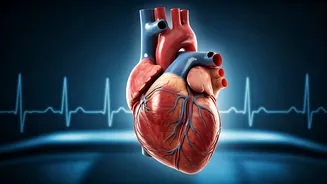
fitness, a slower pulse is indicative of an efficient and robust heart muscle. Regular physical activity strengthens the heart, allowing it to pump more blood with each beat, thus requiring fewer beats per minute to meet the body's needs. However, this same low rate can be a red flag when not associated with fitness or when accompanied by noticeable symptoms. It signifies that the heart's electrical system, often regulated by the sinoatrial (SA) node, might not be generating or conducting signals effectively, leading to an insufficient pace. This reduced rhythm can compromise blood flow to crucial organs, particularly the brain, potentially causing a cascade of symptoms that impact daily life.
The Silent Challenge
One of the most deceptive aspects of bradycardia is its often subtle and easily overlooked presentation. Individuals might attribute early warning signs to everyday stressors like fatigue, lack of sleep, or the natural aging process. This tendency to dismiss symptoms delays crucial medical evaluation. Common indicators to watch for include persistent feelings of tiredness or weakness, sensations of dizziness or light-headedness, breathlessness even during light exertion, a noticeable decline in stamina during physical activities, confusion or difficulty focusing, and fainting spells or the feeling of nearly passing out. Paying close attention to your body's signals and recognizing deviations from your normal rhythm is vital before these subtle changes escalate into significant health issues.
Fitness vs. Risk Factors
For individuals committed to regular exercise, a resting heart rate below 60 bpm is frequently a positive indicator of well-conditioned cardiovascular health. Endurance training enhances the body's vagal tone, a natural mechanism that slows the heart rate. Nevertheless, it's crucial to remember that a low heart rate in fit individuals can sometimes mask underlying rhythm irregularities. The key differentiator lies in the body's response to physical exertion. A healthy heart should accelerate appropriately during exercise and swiftly return to its resting rate afterward. If symptoms such as unexplained fatigue, diminished stamina, or dizziness manifest alongside a slow heart rate, it could suggest that the heart's electrical conduction system is not functioning optimally, even in someone who appears physically fit.
Identifying High-Risk Groups
While bradycardia can manifest at any age, certain populations face a heightened risk. As people age, the heart's electrical system can experience natural wear and tear, making older adults more susceptible to slower heart rates. Beyond age, individuals managing chronic conditions such as diabetes, high blood pressure, or pre-existing heart disease are also at greater risk. Furthermore, those who are taking certain medications known to slow heart rate or have a history of cardiac events or interventions should be particularly vigilant. It is especially important for older adults to seek medical advice, as symptoms are frequently mistaken for normal signs of aging, underscoring the necessity of awareness and prompt evaluation in this demographic.
The Value of Early Diagnosis
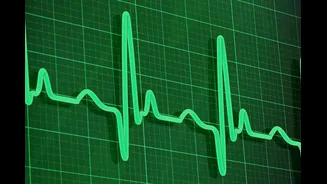
Diagnosing bradycardia is generally straightforward, utilizing accessible tests like an electrocardiogram (ECG) or continuous monitoring with a Holter device. These diagnostic tools are instrumental in evaluating the heart's electrical activity during rest, physical stress, and recovery periods, thereby facilitating an accurate diagnosis. The significance of early detection cannot be overstated. If left unaddressed, symptomatic bradycardia can lead to serious consequences, including increased risk of falls and injuries, a decrease in overall functional capacity, and in some instances, more severe cardiac complications. Prompt identification ensures that appropriate measures can be taken to manage the condition and prevent its progression.
Modern Treatment Approaches
Treatment for bradycardia is tailored to the specific cause and severity of the condition. In milder cases, adjustments to existing medications or addressing underlying health issues may suffice. However, for persistent or symptomatic bradycardia, the implantation of a pacemaker is often necessary to regulate the heart rhythm effectively. Recent advancements in cardiac care have introduced leadless pacemakers, a significant innovation. These compact devices are implanted directly within the heart via a minimally invasive technique, offering several advantages over traditional pacemakers. These include a reduced risk of infection and hardware-related complications, no visible scarring or bulge under the skin, quicker recovery times, enhanced patient comfort, and better suitability for individuals with particular medical profiles. These modern solutions make treatment more agreeable and allow patients, including the elderly, to resume their daily activities with minimal disruption.
Living with a Healthy Rhythm
While a slow heart rate can be a sign of excellent physical conditioning, it should never be disregarded when symptoms are present. The cornerstone of managing bradycardia lies in heightened awareness of one's own body, recognizing any changes, and seeking timely medical counsel. Fortunately, with the aid of advanced diagnostic technologies and continuously evolving treatment options, bradycardia is a highly manageable condition. Through early intervention and appropriate medical care, individuals can maintain a high quality of life and ensure their heart continues to function efficiently and effectively.