


Understanding Cramp Origins
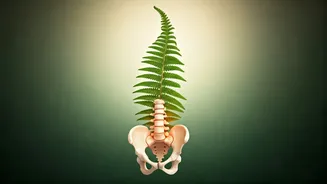
Many women experience debilitating period pain, medically termed dysmenorrhea, which often peaks within the first two days of menstruation. This discomfort
stems primarily from elevated levels of prostaglandins in the body. These hormone-like substances trigger intense contractions of the uterus, leading to the familiar cramping sensation. While often underestimated, these cramps can significantly impact daily life. Recognizing that these pains are driven by specific physiological processes is the crucial first step in effectively managing them. Understanding this biochemical trigger allows for targeted relief strategies that go beyond mere symptom suppression, aiming to address the root cause of the discomfort during your cycle.
Soothing Heat & Motion
One of the most accessible methods for easing menstrual discomfort involves applying heat. Placing a warm compress or heating pad on the lower abdomen can work wonders by relaxing the contracting uterine muscles, thereby diminishing pain intensity. Complementing this, incorporating gentle movement can also offer substantial relief. While it might seem counterintuitive to be active when experiencing pain, light exercises such as yoga, controlled stretching, or even a brisk walk can enhance blood circulation. Improved circulation helps reduce muscle tension and alleviate cramping. Furthermore, engaging in relaxation techniques like deep breathing or meditation can calm the nervous system, further contributing to overall muscle relaxation and a sense of ease during your period.
Nourishment for Relief
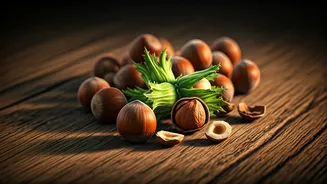
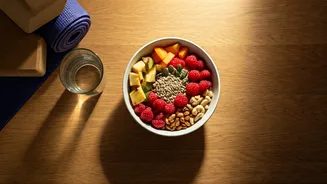
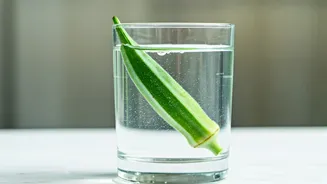
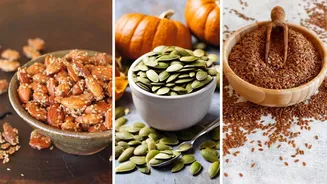
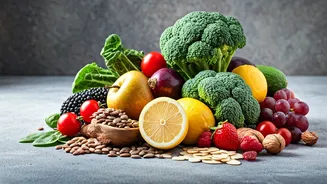
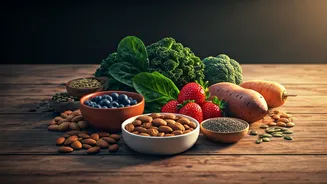
The food we consume plays a pivotal role in managing period pain. Focusing on a balanced diet can help mitigate inflammation and muscle spasms associated with menstrual cramps. Incorporating foods rich in magnesium, such as leafy greens and nuts, and omega-3 fatty acids found in fish and flaxseeds, can offer anti-inflammatory benefits. Conversely, limiting excessive caffeine and salty foods around your cycle may help reduce bloating and overall discomfort. Adequate hydration is also frequently overlooked; drinking sufficient water can aid in alleviating bloating and promoting muscle relaxation. Furthermore, prioritizing nutrient-dense, anti-inflammatory foods supports hormonal balance, while ensuring good quality sleep allows the body to recover more efficiently throughout the menstrual cycle.
CBD's Growing Role
In recent years, there's been a surge of interest in plant-derived compounds, particularly cannabidiol (CBD), as a potential aid for menstrual wellness. Early research suggests that CBD may influence the body's endocannabinoid system, a complex network that plays a part in regulating pain perception, inflammation, and muscle tension. Scientific discussions surrounding CBD's therapeutic properties for period pain are expanding, with preliminary studies indicating its potential to modulate pain signaling and inflammatory responses through this system. While research is still in its nascent stages, this growing attention signifies a broader exploration of alternative and complementary approaches to effectively managing the often-debilitating symptoms of menstrual discomfort.
When to Seek Help
While experiencing mild to moderate period cramps is a common occurrence for many women, it's crucial not to disregard severe or persistent pain. Healthcare professionals advise seeking medical consultation if menstrual pain becomes exceptionally intense or significantly disrupts your daily routines and activities. Unusually severe cramps can sometimes be indicative of underlying medical conditions such as endometriosis or uterine fibroids, which necessitate proper medical evaluation and diagnosis. A holistic approach, combining diligent self-care practices, consistent lifestyle adjustments, and timely medical guidance when necessary, is essential for effectively managing period cramps and improving overall menstrual health.