






Understanding Heartburn Triggers
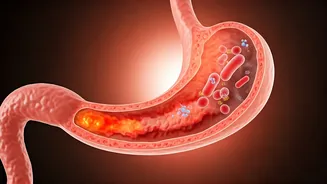
Heartburn, characterized by a burning sensation in the chest or throat, often arises from stomach acid backing up into the esophagus, frequently due to a weakened
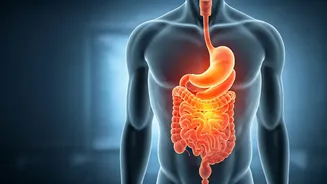
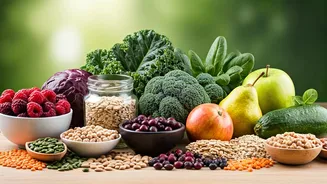
esophageal sphincter. While occasional heartburn can be managed with over-the-counter remedies and lifestyle adjustments, persistent discomfort signals a need to examine dietary habits. A gastroenterologist suggests that adopting a diet rich in low-acid, easily digestible foods can significantly mitigate these symptoms. Foods with a higher pH, lower fat content, and simpler structures are less likely to irritate the esophagus or cause stomach contents to reflux upwards, offering a gentler approach to digestive well-being.
Papaya's Digestive Power
Papaya stands out as a remarkably beneficial fruit for digestive health, particularly for those experiencing heartburn. It naturally contains papain, an enzyme adept at breaking down proteins, which aids in improving overall digestion. This enhanced digestive process helps to reduce the pressure within the stomach that can contribute to acid reflux. As a low-acid fruit, papaya is gentle on the esophagus and effectively alleviates digestive discomforts such as bloating and indigestion, making it an excellent choice for a soothing snack or part of a meal.
Melons for Neutralizing Acid
Honeydew and cantaloupe melons are highly recommended for their ability to provide natural relief from heartburn. These fruits possess a higher pH level, which means they are less acidic and can effectively neutralize the harsh acids present in the stomach. This neutralizing action helps to alleviate the burning sensation associated with acid reflux. Furthermore, their high water content contributes to diluting stomach acid, offering a refreshing and soothing effect on the digestive tract. Their gentle nature makes them a safe and palatable option for individuals seeking comfort from heartburn.
Sweet Potatoes' Fiber Boost
Sweet potatoes offer a dual benefit for individuals managing heartburn: they are rich in soluble fiber and naturally low in acidity. The fiber content plays a crucial role in keeping you feeling full, which can prevent overeating – a common trigger for acid reflux. By promoting satiety, sweet potatoes help reduce the likelihood of reflux episodes. Additionally, their low-acid profile helps to counteract excess stomach acid, and the fiber itself has a soothing effect on the digestive tract, contributing to overall gut comfort and stability.
Ginger's Anti-inflammatory Aid
Fresh ginger is celebrated for its potent medicinal properties, and its role in managing digestive issues, including heartburn, is particularly noteworthy. Ginger contains powerful anti-inflammatory compounds that can help calm an irritated digestive system. By promoting a more efficient movement of food from the stomach into the intestines, ginger helps to reduce the opportunity for stomach acid to flow back into the esophagus. This accelerated gastric emptying, combined with its soothing qualities, makes ginger a valuable natural remedy for preventing acid reflux and alleviating discomfort.
Celery's Alkaline Properties
Celery is an excellent choice for heartburn relief due to its high water content and alkaline nature. Its hydrating properties help dilute stomach acid, while its alkaline composition works to neutralize acidity, thereby reducing irritation. Beyond its direct impact on stomach acid, celery is packed with fiber, antioxidants, and anti-inflammatory compounds. These elements collectively support healthy digestion and contribute to soothing an inflamed stomach lining. Incorporating celery into your diet can offer a refreshing and effective way to manage digestive discomfort.
Popcorn: A Savory Snack
Lightly prepared or air-popped popcorn can serve as a beneficial snack for those prone to heartburn. As a whole grain, popcorn is a good source of fiber, which aids in the smooth functioning of the digestive system. Its low-fat profile and ability to absorb excess stomach acid make it a smart choice for preventing reflux. The fiber in popcorn helps to promote a feeling of fullness and can also help to coat the digestive tract, offering a comforting effect and reducing irritation. Opting for minimally seasoned popcorn ensures it remains a gut-friendly option.
Oatmeal's Soothing Embrace
Oatmeal is a staple for a reason, especially for individuals seeking relief from heartburn. This low-fat, high-fiber, and non-acidic food excels at absorbing excess acids within the stomach, providing immediate comfort. The substantial fiber content in oatmeal not only aids digestion but also forms a protective coating along the stomach lining. This coating acts as a barrier, effectively preventing stomach acid from migrating into the esophagus. Consequently, oatmeal is a highly recommended and safe breakfast choice for mitigating the symptoms of heartburn.