






Rana's Health Shock
The acclaimed actor Rana Daggubati recently shed light on a significant health challenge that necessitated a temporary halt in his professional life, prompting
profound introspection about his life's purpose. The diagnosis initially came as a profound shock, as one rarely anticipates personal health crises. Daggubati articulated this by explaining that the experience provided him with a unique perspective, allowing him to understand the vulnerability of his own well-being, akin to how one empathizes with an unwell friend or family member. This realization spurred a determined commitment to prioritize and rectify his health. During a candid conversation on Rhea Chakraborty's YouTube podcast, 'Chapter 2', Daggubati recounted the intensive regimen he underwent, which included dietary adjustments and surgical procedures, followed by a rigorous post-operative care phase that spanned a considerable duration. He also shared that this period involved extended time spent alone in the US, which fostered deep contemplation regarding his life's trajectory and ultimate purpose.
Understanding the Risks
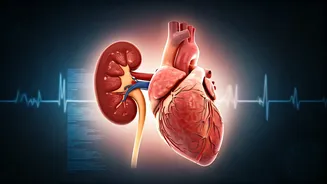
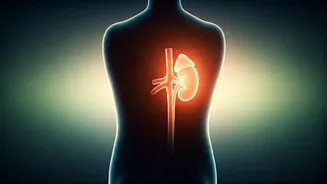
The health issues faced by Rana Daggubati, including lifelong blood pressure concerns coupled with calcification around the heart and kidney impairment, represent a complex and serious medical scenario. According to Dr. Parin Sangoi, a consultant interventional cardiologist, high blood pressure, often termed a 'silent threat,' can insidiously damage arterial pathways over time. This gradual hardening and narrowing of arteries, known as calcification, impedes blood circulation to the heart, escalating the likelihood of cardiac events. Concurrently, compromised kidney function due to elevated blood pressure can disrupt the body's filtration processes, potentially leading to progressive kidney failure. Dr. Sangoi emphasized that when these conditions coexist, the associated risks are not merely additive but multiplicative. Both the heart and kidneys are heavily reliant on the integrity of blood vessels; their compromise significantly heightens the probability of severe outcomes such as strokes, heart failure, or sudden cardiac arrest. The reported 70% chance of stroke or hemorrhage underscores the precarious instability of such a condition when not meticulously managed and monitored. Furthermore, deteriorating kidney function exacerbates the challenge of regulating blood pressure, creating a detrimental cycle that substantially elevates stroke risk.
Diet's Crucial Role
Dietary interventions, particularly the strict restriction of salt, play a paramount role in managing severe hypertension and kidney disease, as explained by Dr. Parin Sangoi. Salt directly influences the body's fluid balance and can cause significant fluctuations in blood pressure. For individuals with pre-existing severe hypertension or compromised kidney function, a low-sodium diet is frequently a non-negotiable component of treatment, working in conjunction with prescribed medications to avert dangerous blood pressure surges. This dietary approach helps alleviate strain on both the cardiac and renal systems. In critical phases of health instability, a nearly salt-free diet might be recommended to stabilize blood pressure levels and reduce overall stress on the heart and kidneys, thereby mitigating immediate risks and supporting the body's recovery process.
The Path to Recovery
The journey toward recovery from such profound health complications is typically gradual and requires diligent, ongoing medical supervision, as outlined by Dr. Sangoi. Key elements of this process involve stabilizing blood pressure through an optimized combination of pharmacological interventions and maintaining rigorous adherence to dietary recommendations, particularly regarding salt intake. Regular, scheduled check-ups are essential for monitoring both cardiac and renal health. Complementing these medical strategies are crucial lifestyle modifications, including effective weight management, proactive stress reduction techniques, and engaging in carefully supervised exercise programs. Initially, patients often require frequent follow-up appointments to ensure stability and address any emerging concerns. Over time, as blood pressure levels become more consistent and organ function shows improvement, the associated risks diminish. However, the necessity for long-term vigilance and ongoing care remains paramount. The overarching message is that even severe cardiovascular risks are manageable through timely medical intervention and sustained, comprehensive care.