






Mango Rice Ice Cream Basics
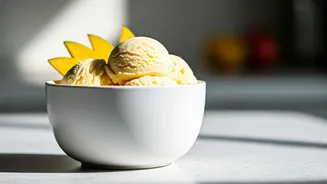
This recipe for healthy mango rice ice cream is a wonderful way to enjoy a cool, sweet treat without the usual high sugar and fat content of traditional
ice cream. It cleverly uses ripe mangoes for their natural sweetness and vibrant flavor, complemented by the creamy texture that cooked rice imparts. This combination creates a surprisingly smooth and satisfying dessert that's both easy to prepare and remarkably light. The beauty of this recipe lies in its simplicity, making it an accessible option for anyone looking to whip up a delicious homemade dessert with minimal fuss. It’s an ideal choice for those hot summer afternoons when you crave something sweet but want to keep it healthy and refreshing.
Essential Ingredients
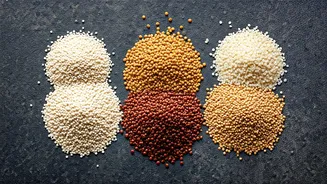
To create this delightful mango rice ice cream, you'll need a few key ingredients. Start with two cups of ripe mango puree, which forms the sweet and fruity base of your dessert. For the creamy texture, incorporate one cup of cooked rice; short-grain varieties tend to work best for a smoother blend. One-half cup of coconut milk adds richness and a subtle tropical note, contributing to the ice cream's velvety consistency. To sweeten, use one-quarter cup of maple syrup or honey, adjusting to your personal preference. A teaspoon of vanilla extract enhances the overall flavor profile, while a pinch of salt balances the sweetness. These components come together to form a harmonious blend that's both delicious and nourishing.
Simple Preparation Steps
Preparing this healthy mango rice ice cream is straightforward. Begin by combining the mango puree, cooked rice, coconut milk, your chosen sweetener (maple syrup or honey), vanilla extract, and a pinch of salt in a blender. Process these ingredients until the mixture achieves a perfectly smooth and creamy consistency, ensuring no visible rice grains remain. If the mixture appears too thick for your liking, you can add a little more coconut milk to reach your desired texture. Once blended, the next step depends on whether you have an ice cream maker. If you do, pour the mixture into the machine and churn according to its instructions. If not, transfer the mixture to a freezer-safe container. In this no-churn method, freeze the mixture for approximately 4 to 6 hours, remembering to stir it vigorously every hour to break up any ice crystals and maintain a smooth texture. Finally, once frozen to your preference, scoop and serve immediately. Garnish with fresh mango chunks or mint leaves for an extra touch of freshness and visual appeal.
Tips for Healthier Indulgence
To further enhance the health benefits of your mango rice ice cream, consider a few simple tips. Prioritize using fresh, ripe mangoes, as they offer the most intense flavor and natural sweetness, minimizing the need for added sugar. Opt for unsweetened coconut milk to maintain better control over the overall sugar content of your dessert. Feel free to adjust the amount of sweetener to perfectly match your taste buds; natural alternatives like dates can also be used for sweetening. For those seeking a lower-carbohydrate option, experimenting with cauliflower rice instead of traditional rice is an interesting possibility, though be aware that this substitution will subtly alter the final texture of the ice cream. These small adjustments can make your already healthy treat even more beneficial.
Nutritional Highlights
This healthy mango rice ice cream offers a lighter dessert alternative, drawing its sweetness primarily from mangoes and achieving a gentle creaminess from rice and milk. On average, a serving provides approximately 140–160 kcal, with around 3–4 grams of protein. It contains about 28–30 grams of sugar, largely from the natural fruit, and 1–2 grams of fiber. The fat content is relatively low, around 2–3 grams per serving. Importantly, it's a good source of Vitamin C, providing 18–22 mg, and offers 70–90 mg of calcium. Additionally, you'll find significant amounts of potassium, with estimates ranging from 180–220 mg and even up to 500–550 mg, contributing to its refreshing and potentially beneficial profile as a summer dessert choice.