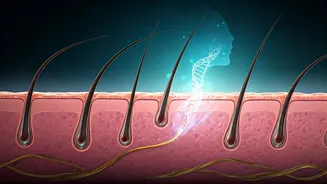







The New Normal?
Hair loss, once a concern for later years, is now significantly impacting individuals in their twenties and thirties. Many young adults are noticing the subtle
yet concerning signs of thinning hair, such as increased shedding, a more visible scalp, or a less voluminous ponytail. While initial reactions might attribute these changes to temporary stress or seasonal shifts, the persistent nature of the thinning often leads to the realization that a more significant issue is at play. This shift in onset age suggests that contemporary living conditions are playing a more substantial role than previously understood, potentially accelerating genetic predispositions and impacting hair health from an earlier stage in life.
Modern Triggers Unveiled
While genetics, particularly Androgenetic Alopecia (pattern baldness driven by DHT sensitivity), remains a key factor in hair thinning, modern lifestyles are amplifying its impact and causing earlier onset. Chronic stress is a major contributor, pushing hair follicles into a resting phase prematurely, leading to Telogen Effluvium, often with a delayed onset that makes the cause difficult to pinpoint. The relentless pace of contemporary life, marked by insufficient sleep, excessive screen time, work-related pressures, emotional exhaustion, and erratic eating habits, disrupts hormonal balance and compromises scalp health over time. Furthermore, nutritional deficiencies, including low iron (ferritin) and Vitamin D levels, inadequate protein intake, and the effects of crash dieting, significantly weaken hair growth cycles. Hormonal imbalances, especially prevalent in women due to conditions like PCOS and thyroid disorders, also contribute substantially to thinning hair.
Advanced Treatment Innovations
The landscape of hair restoration has seen remarkable advancements, offering more targeted and effective solutions. Platelet-Rich Plasma (PRP) therapy has evolved into Growth Factor Concentrate (GFC) therapy, which utilizes a more concentrated extraction of growth factors from a patient's own blood for enhanced follicle stimulation and improved hair density. Regenera Activa presents a novel approach by processing a small scalp tissue sample to isolate regenerative cells and growth factors, which are then reinjected into thinning areas, often requiring just a single session. Exosome therapy is generating considerable excitement, employing tiny biological messengers to signal dormant follicles, reduce scalp inflammation, and boost circulation; quality and sourcing are paramount in this rapidly developing field. Additionally, needle-free options like Low-Level Laser Therapy (LLLT) and Tricopat technology are gaining traction, using light or advanced scalp stimulation to encourage growth without invasive procedures.
Emerging Therapies & Peptides
Beyond established regenerative treatments, innovative approaches are emerging to tackle hair loss. Peptide-based serums, incorporating ingredients like GHK-Cu, Biotinoyl Tripeptide-1, and Acetyl Tetrapeptide-3, are increasingly being used for their ability to support follicle strength and reduce shedding through targeted biological signaling. These are easily integrated into daily routines. Promising research is also underway globally, with treatments like PP405 showing potential in directly targeting dormant follicle stem cells to improve hair density. For autoimmune conditions such as Alopecia Areata, FDA-approved JAK inhibitors are revolutionizing treatment outcomes for many individuals. These advancements highlight a future where hair loss treatments are becoming more precise and personalized.
The Unwavering Importance of Basics
Despite the impressive array of advanced treatments, the fundamental importance of overall health cannot be overstated. No therapeutic intervention can achieve its full potential if the body is in a constant state of stress, nutritional deficit, or exhaustion. Hair follicles require optimal conditions to thrive, meaning adequate protein intake, healthy ferritin and Vitamin D levels, sufficient hydration, regular exercise, and quality sleep are not mere lifestyle choices but essential prerequisites for hair growth. Effectively managing cortisol levels is also critical; chronic stress keeps the body in a survival mode, often deprioritizing non-essential functions like hair regeneration. Therefore, addressing these foundational health aspects is the bedrock upon which all hair restoration efforts must be built.
Early Action, Better Outcomes
The most crucial factor in successfully managing hair loss, especially when it begins at a younger age, is early intervention. Thinning hair follicles possess a greater potential for revival and strengthening through timely treatment. Conversely, follicles that have been dormant for extended periods become significantly more challenging to reactivate. This underscores the critical importance of prompt diagnosis. While hair loss may be starting earlier in the twenty-first century, the scientific understanding and therapeutic options available have simultaneously become more sophisticated, personalized, and effective than ever before, offering a brighter outlook for those seeking to address the issue proactively.