





Eyes' Essential Recovery Time
While we often focus on mental restoration during sleep, our eyes are also working overtime and require significant recovery. In today's world, saturated
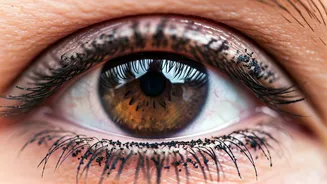
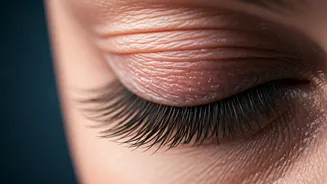
with digital screens and artificial light, our eyes face unprecedented strain. Experts emphasize that sleep is not merely a period of inactivity but a vital opportunity for our eyes to repair themselves. For approximately 7 to 9 hours each night, our ocular systems need to recuperate from the constant demands of digital interaction and environmental irritants. This nightly reset is as critical for our vision as it is for our cognitive functions, ensuring they can continue to perform optimally throughout our waking hours.
Digital Devices' Ocular Toll
The pervasive use of digital devices presents a primary challenge to both our sleep quality and our eye health. Screens emit blue light, a phenomenon that significantly impacts our eyes' natural functions. Studies indicate that prolonged exposure to these devices can reduce our blink rate by as much as 66%. This diminished blinking causes the tear film, the eye's natural protective and lubricating layer, to evaporate more rapidly. Consequently, eyes can feel irritated and fatigued even before we attempt to sleep. Furthermore, blue light interferes with the production of melatonin, a hormone essential for regulating our sleep-wake cycles and a potent antioxidant that safeguards our eyes. This dual effect leads to compromised sleep and inadequate overnight repair for our eyes.
Nightly Eye Care's Impact
Sleep serves as the body's primary restoration period, and this extends to our eyes. However, many individuals experience incomplete recovery, often waking with a gritty or dry sensation, which indicates insufficient lubrication throughout the night. Environmental factors significantly contribute to this issue; air conditioning, heating systems, and even direct airflow from fans can exacerbate eye dryness. Simple adjustments, such as incorporating a humidifier or redirecting airflow away from the face, can substantially enhance tear film stability. For those struggling with persistent dryness, using a lubricating eye ointment before bed can effectively alleviate morning discomfort and promote better ocular repair during sleep.
Hidden Risks of Habits
Certain everyday habits, often perceived as harmless, can pose serious long-term risks to eye health. A critical one is sleeping with contact lenses in place, a practice ophthalmologists strongly advise against. This habit restricts oxygen flow to the cornea, increasing the risk of serious complications like neovascularization (abnormal blood vessel growth) and infections. Additionally, the seemingly innocuous act of rubbing our eyes can cause significant damage. This action can lead to wrinkles, irritation, and harm to the delicate skin surrounding the eyes. Equally important is the diligent removal of eye makeup before sleep; failing to do so can obstruct essential glands, irritate the eyes, and elevate the likelihood of infections.
Crafting Eye-Friendly Sleep
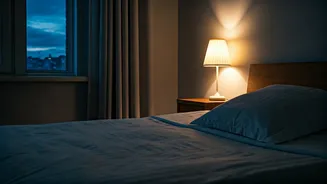
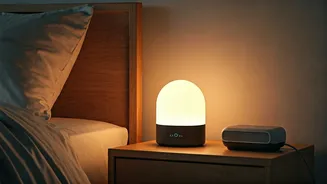
Establishing effective sleep hygiene for your eyes doesn't require complex interventions; consistency is key. A highly effective strategy involves consciously managing screen time as bedtime approaches. Implementing the 20-20-20 rule throughout the day—every 20 minutes, focusing on an object 20 feet away for 20 seconds—can significantly reduce eye strain, making your eyes feel less fatigued by nightfall. Utilizing device 'night modes' or warmer lighting settings helps minimize exposure to high-energy visible (HEV) light, which is associated with long-term retinal stress. Creating a sleep environment conducive to both mental and ocular rest is also paramount. Complete darkness aids melatonin production, offering neuroprotective benefits for the retina; blackout curtains or a sleep mask can achieve this. Consistent sleep of 7-8 hours and a relaxing bedtime routine not only boosts sleep quality but also improves the appearance and comfort of your eyes.
Beyond Aesthetics: Deep Health
While symptoms like dark circles and puffiness are commonly linked to poor sleep, their underlying cause is often inadequate ocular recovery, which can detrimentally affect overall eye health over time. The concept of sleep hygiene therefore needs to encompass more than just feeling refreshed; it's about enabling our eyes to undergo essential repair and regeneration processes. In a society that often glorifies constant productivity and connectivity, rest can be undervalued. However, neglecting sleep is not merely a lifestyle choice but a genuine health risk. The objective isn't flawless execution but heightened awareness. Making small, consistent adjustments in how we engage with screens, manage our surroundings, and care for our eyes can profoundly enhance our vision and its long-term health.