




Simple Roasted Delight
Elevate your cauliflower with a straightforward roasting technique. Begin by breaking down a whole cauliflower into manageable florets. Toss these pieces
generously with good quality olive oil, ensuring each floret is lightly coated. Season liberally with salt and freshly ground black pepper. For an extra layer of taste, consider incorporating a blend of your favorite dried herbs and spices, such as garlic powder, onion powder, paprika, or even a pinch of chili flakes for a hint of heat. Arrange the seasoned florets in a single layer on a baking sheet to allow for even cooking and optimal caramelization. Roast in a preheated oven at a moderate temperature, typically around 400°F (200°C), until the edges turn golden brown and the cauliflower is fork-tender. This method brings out the vegetable's natural sweetness and creates a delightful texture that is both tender and slightly crisp.
Creamy Cauliflower Soup
Indulge in a bowl of comforting cauliflower soup, a perfect antidote to cooler weather. Start by roasting cauliflower florets, as described previously, to deepen their flavor profile. Once roasted to perfection, transfer the cauliflower to a blender. Add a good quality vegetable broth, ensuring enough liquid to achieve your desired consistency. Include a few cloves of roasted or sautéed garlic for an aromatic base. For a velvety texture, incorporate a splash of heavy cream or, for a dairy-free alternative, full-fat coconut milk. Blend all ingredients until smooth and creamy. Gently heat the soup on the stovetop, seasoning to taste with salt and pepper. A sprinkle of fresh chives or a drizzle of olive oil can add a final flourish to this nourishing and deeply satisfying soup.
Versatile Cauliflower "Rice"
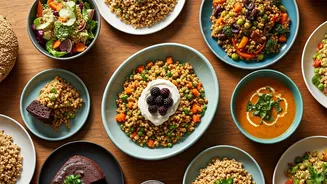
Embrace cauliflower rice as a low-carbohydrate substitute for traditional grains, offering a healthy and adaptable base for numerous dishes. To prepare it, take cauliflower florets and place them in a food processor. Pulse the florets in short bursts until they break down into small pieces that resemble the texture and size of rice grains. Be careful not to over-process, which can lead to a mushy consistency. This cauliflower rice can be sautéed with your favorite aromatics like garlic and ginger, used as a base for stir-fries, mixed into salads for added texture, or even incorporated into grain bowls. Its mild flavor readily absorbs the tastes of other ingredients, making it an incredibly flexible culinary tool.
Hearty Cauliflower Steaks
Create a substantial vegetarian main course by transforming cauliflower into impressive steaks. Carefully cut thick, whole slices from the center of a large cauliflower head, ensuring each slice remains intact. These substantial "steaks" can then be prepared using various cooking methods. Pan-searing them in a hot skillet with oil until golden brown and tender on both sides is a popular approach. Alternatively, they can be roasted in the oven, allowing for a delightful caramelization. Season the steaks generously with salt, pepper, and your choice of herbs or spices. These cauliflower steaks offer a satisfying, meaty texture and are a fantastic centerpiece for a plant-based meal, often served with a flavorful sauce or side.
Flavorful Cauliflower Tacos
Inject a burst of flavor into your taco nights with roasted cauliflower as a vibrant filling. Prepare cauliflower florets by tossing them with olive oil, salt, pepper, and your preferred taco seasonings, such as cumin, chili powder, and paprika. Roast the seasoned florets until they are tender with slightly crispy edges. Once cooked, use these seasoned cauliflower pieces as a delicious and healthy filling for your favorite taco shells or tortillas. Garnish with traditional taco toppings like salsa, avocado, shredded lettuce, and a squeeze of lime juice. This vegetarian taco option is not only satisfying but also packed with nutrients and a delightful range of textures and tastes.
Rich Cauliflower Gratin
Experience pure comfort with a decadent cauliflower gratin. Start by blanching or lightly steaming cauliflower florets until they are just tender. Arrange the cooked cauliflower in a baking dish. Prepare a luscious cheese sauce by melting butter, whisking in flour to create a roux, and then gradually incorporating milk until thickened. Stir in your favorite cheeses, such as Gruyere, cheddar, or Parmesan, until melted and smooth. Season the cheese sauce with salt, pepper, and a pinch of nutmeg for extra warmth. Pour the creamy cheese sauce over the cauliflower, ensuring it is well-covered. Top generously with breadcrumbs, perhaps mixed with a little melted butter and grated cheese, for a wonderfully crispy and golden-brown crust once baked.
Gluten-Free Pizza Crust
Discover a popular low-carb and gluten-free alternative to traditional pizza bases with cauliflower pizza crust. The foundation of this crust is finely riced cauliflower, achieved by processing cauliflower florets in a food processor until they resemble coarse grains. Squeeze out as much moisture as possible from the riced cauliflower using a clean kitchen towel or cheesecloth to ensure a crispier crust. Mix the dried cauliflower with binders like eggs and cheese (such as Parmesan or mozzarella) along with seasonings. Press this mixture into a round pizza shape on a baking sheet lined with parchment paper. Bake the crust until it's firm and lightly golden before adding your favorite pizza toppings and baking again.
Spicy Buffalo Cauliflower Wings
Recreate the beloved appetizer experience with a vegetarian twist: buffalo cauliflower wings. Prepare cauliflower florets and coat them in a batter, which can be made from flour, water or milk, and seasonings. These battered florets can then be baked or fried until golden and crispy. Once cooked, toss the crispy cauliflower pieces in a classic buffalo sauce, typically made from butter and hot sauce, to achieve that signature tangy and spicy flavor. Serve these vegetarian wings immediately with a side of ranch or blue cheese dressing and celery sticks for a crowd-pleasing appetizer or snack that perfectly mimics the original.
Healthier Cauliflower Mash
Enjoy a lighter, healthier rendition of mashed potatoes with creamy cauliflower mash. Boil cauliflower florets until they are very tender. Drain them thoroughly, ensuring no excess water remains, which is crucial for achieving a good texture. Transfer the cooked cauliflower to a bowl or a food processor. Mash or process the cauliflower until it's smooth and creamy, similar to mashed potatoes. Enhance the flavor by incorporating ingredients like minced garlic (freshly sautéed or roasted), a knob of butter or a drizzle of olive oil, and your favorite fresh herbs, such as chives or parsley. Season generously with salt and pepper to taste. This mash offers a comforting side dish that is both delicious and significantly lower in carbohydrates.
Crunchy Cauliflower Salad
Incorporate cauliflower into your salads for an added element of delightful crunch and subtle flavor. You can use cauliflower raw, finely chopped or riced, or lightly blanched for a slightly softer texture. This versatile vegetable pairs well with a wide array of salad ingredients, including leafy greens, other chopped vegetables like bell peppers and onions, beans, grains, and proteins. Dress your cauliflower salad with a vinaigrette, a creamy dressing, or a zesty lemon-herb mixture. The mild taste of cauliflower allows it to absorb the flavors of the dressing beautifully, while its firm texture provides a satisfying contrast to softer ingredients, making it a refreshing and nutritious addition to any salad ensemble.