




Protein's Pivotal Role
Your hair's very structure is built upon protein, specifically a type known as keratin. When your dietary protein intake falls short, your body prioritizes
essential functions over hair growth, leading to a prolonged shedding phase and noticeable thinning. Studies, such as one published in the Journal of Cosmetic Dermatology, have indicated a direct correlation between insufficient protein consumption and hair thinning, especially for individuals adhering to restrictive diets. To combat this, integrating a source of protein into every meal is essential. This can include readily available options like eggs, legumes such as dal, paneer, chicken, fish, tofu, or even a handful of nuts. Consistent, daily intake of protein is the key to supporting robust hair production.
Iron's Oxygen Transport
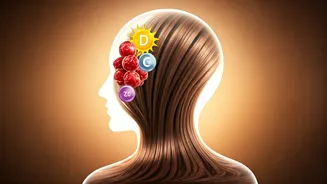
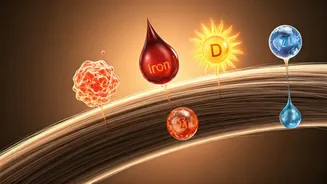
Iron deficiency is a prevalent concern, particularly among women, and plays a critical role in hair health. Iron's primary function is to transport oxygen throughout your bloodstream, and your hair follicles are highly dependent on this oxygen supply to remain vital. A depletion in iron levels means that these follicles receive inadequate nourishment, gradually weakening them and leading to increased hair shedding. Research, including a notable study in the Journal of the American Academy of Dermatology, has established a strong link between low iron (specifically ferritin) and conditions like telogen effluvium, a form of hair loss. If you're experiencing persistent fatigue, dizziness, or paleness alongside hair fall, an iron deficiency might be a contributing factor. To boost your iron levels, incorporate iron-rich foods such as spinach, beetroot, jaggery, dates, and lentils. Including red meat, if consumed, can also be beneficial. Furthermore, enhancing iron absorption is easily achieved by pairing these foods with sources of Vitamin C, like a squeeze of lemon juice.
Vitamin D's Hair Connection
Often recognized for its importance in bone health, Vitamin D also holds a significant connection to the vitality of your hair. Low levels of this vitamin have been associated with various forms of hair loss, including the development of patchy baldness. A study featured in Dermatology and Therapy revealed that individuals experiencing hair loss frequently exhibit lower Vitamin D levels compared to those without such issues. The challenge lies in the fact that many people are deficient without realizing it, especially if they spend a considerable amount of time indoors. To ensure adequate Vitamin D, aim for regular, short periods of sun exposure, ideally 15–20 minutes daily. Dietary sources also include eggs, fortified dairy products, and fatty fish. In cases of persistent deficiency, consulting a healthcare professional for supplementation might be necessary.
Zinc for Follicle Function
Zinc, though often overlooked, performs crucial functions in maintaining hair integrity, particularly in repair and growth processes. It is instrumental in keeping hair follicles healthy and ensuring the proper functioning of the sebaceous glands that surround them. When zinc levels decline, hair can become brittle, weak, and more susceptible to breakage and shedding. Research published in the Annals of Dermatology has indicated that individuals experiencing hair loss often have lower zinc concentrations, and improving these levels has shown positive results in some cases. A further consequence of zinc deficiency can be a dry, flaky scalp, which creates an unfavorable environment for healthy hair growth. To increase your zinc intake, focus on incorporating foods like pumpkin seeds, various nuts, whole grains, dairy products, and legumes into your diet. A varied and balanced intake is generally sufficient.
Biotin's Strength Factor
Biotin, also known as Vitamin B7, is frequently touted as a 'hair vitamin,' and while not a miracle cure, it plays a vital role in strengthening hair strands. A deficiency in biotin can lead to hair that is brittle, thin, and prone to breakage and increased shedding. While a comprehensive review in Skin Appendage Disorders notes that severe biotin deficiency is relatively uncommon, it can still manifest as hair loss, particularly in individuals with suboptimal diets or certain underlying health conditions. It's important to note that most people obtain sufficient biotin through their diet, and supplementation isn't always necessary. Excellent food sources of biotin include egg yolks, nuts, seeds, bananas, and whole grains, underscoring the importance of a balanced diet before considering supplements.