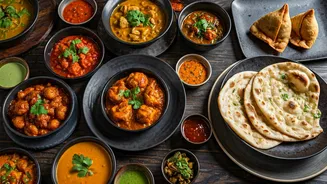

Spice Route Beginnings
Indian cuisine is a symphony of flavors and textures, a culinary journey through centuries of tradition and innovation. The influence of various cultures,
including those of the Mughals, Portuguese, and British, has shaped the diverse dishes and cooking styles found across the country. Spices, the heart and soul of Indian cooking, are not just about adding heat; they are carefully selected and blended to create depth, aroma, and balance in each dish. This section focuses on essential spices and techniques for achieving authentic Indian flavors. For example, the use of asafoetida, a pungent spice used sparingly, can add a unique umami flavor to lentil dishes and vegetable preparations. Similarly, the meticulous layering of spices in dishes like Biryani, with its complex flavors and aromas, can transform your meal into a festive celebration. The preparation methods, such as tempering, where spices are bloomed in hot oil to release their aromas, can profoundly impact the flavor profile of a dish, making it richer and more aromatic.
Flavorful Curry Creations
Curries form the cornerstone of Indian meals, showcasing the incredible range of flavors available. From the creamy richness of butter chicken to the tangy delight of vindaloo, each curry tells a story of cultural influences and regional preferences. Butter chicken, a favorite worldwide, originates from the Punjab region. This dish combines tender chicken pieces in a luscious, tomato-based gravy, enriched with butter and cream, and is often served with naan bread. Vindaloo, with its fiery zest, comes from Goa and reflects Portuguese influences, combining the heat of chilies with the tartness of vinegar. Coconut milk lends a soothing sweetness to many curries, especially those from the southern parts of India, creating a harmonious balance. Some curries, like Rogan Josh from Kashmir, use yogurt and aromatic spices to tenderize the meat, resulting in a rich and flavorful dish. You can experiment with various vegetables, meats, and lentils to create your own curry variations. When it comes to the method, using fresh ingredients and allowing the spices to meld together during slow cooking often enhance the flavors.
Tantalizing Tandoor Treats
The tandoor, a traditional clay oven, is vital for Indian cooking, imparting a unique smoky flavor to the dishes. From succulent kebabs to the iconic tandoori chicken, the tandoor infuses a delicious char and crisp exterior. Tandoori chicken is marinated in yogurt and spices before being cooked in the high heat of the tandoor, which gives it a vibrant color and juicy texture. Kebabs, small pieces of marinated meat, can be made with various meats and even vegetables, offering a delightful array of tastes. Naan bread, with its soft, pillowy texture and slightly charred surface, is often cooked in a tandoor, which pairs perfectly with curries. Using a tandoor at home might seem difficult, but there are methods for achieving similar results using a conventional oven or even a grill. It is possible to recreate the authentic flavors by using high heat and allowing the ingredients to cook and char properly. The key is to marinate the ingredients adequately so they are infused with flavors before cooking.
Rice & Bread Varieties
Rice and bread are integral parts of any Indian meal, forming the foundation of many dishes. Basmati rice, with its long grains and delicate aroma, is the preferred choice for many Indian dishes. It absorbs flavors well and can be served plain, or it can be spiced up with ingredients like saffron for a rich flavor. Biryani, a layered rice dish cooked with meat or vegetables and aromatic spices, is a feast for both the eyes and the palate. Various types of bread add texture and variety to Indian meals. Naan, mentioned previously, is a classic accompaniment to curries, providing a soft contrast to the spiced dishes. Paratha, a layered flatbread, can be plain or filled with spiced vegetables. Roti, a simple, whole-wheat flatbread, is a staple in many Indian households and a versatile choice with almost any dish. Different regions have their preferred rice and bread varieties, showcasing the diversity of Indian cuisine. Experimenting with these options expands your culinary horizons and adds layers of flavor and texture to your meals.
Delectable Snacks & Sides
Indian cuisine features a wide variety of snacks and sides that add flavor and flair to a meal. Samosas, crispy pastries filled with spiced potatoes and peas, are a popular snack, often served with chutney. Pakoras, vegetable fritters dipped in a spiced chickpea batter, are another favorite. Chutneys add zest to meals, enhancing the taste of every bite. Raita, a cooling yogurt-based side dish, tempers the heat of spicy dishes, and contains chopped vegetables and spices. Papadums, thin, crispy lentil crackers, make the meal more textural. The diversity of Indian snacks and side dishes enables home cooks to experiment with a variety of textures and flavors. These small dishes can be as elaborate as the main course, with each region offering its unique versions. They can also be a creative way to use leftover ingredients, promoting both flavor and sustainability in your kitchen.
Sweet Endings: Desserts
No Indian meal is complete without a sweet treat to satisfy your cravings. From the creamy richness of gulab jamun to the refreshing coolness of kulfi, Indian desserts are a delightful blend of flavors and textures. Gulab jamun, deep-fried milk balls soaked in a rose-flavored syrup, are a classic favorite. Kulfi, an Indian ice cream, is denser and richer than regular ice cream, with a variety of flavors, including pistachio, mango, and cardamom. Halwa, a sweet pudding, can be made with various ingredients, such as semolina, carrots, or lentils, and it offers a variety of textures and flavors. Barfi, milk-based fudge, is another popular dessert, often flavored with cardamom or nuts. Desserts are an essential part of Indian celebrations, representing happiness and offering the perfect close to any meal. These sweets not only satisfy your sweet tooth but also celebrate the richness and diversity of Indian culinary traditions.
Regional Specialties Explored
India's different regions boast unique culinary traditions, each reflecting local ingredients and cultural influences. From the fiery dishes of the South to the rich curries of the North, the variety is vast. In the south, you'll find dishes with coconut milk, tamarind, and curry leaves. Some examples of well-known dishes include dosa, idli, and sambar, each offering unique flavors and textures. The North Indian cuisine is known for its creamy gravies, tandoori dishes, and the use of dairy products. The food from the West coast includes seafood delicacies influenced by the coastal cultures, which is also characterized by the use of unique spices and preparation methods. The East offers dishes that highlight the freshness of vegetables, fish, and other local produce. This regional diversity allows home cooks to explore a vast range of flavors and techniques, creating a diverse culinary journey through India.
Mastering Cooking Techniques
Indian cooking involves several techniques, each essential for achieving authentic flavors and textures. Tempering, the process of heating spices in oil to release their aromas, is fundamental in enhancing flavor. Grinding spices fresh and using them without delay will keep your recipes tasting their best. Sautéing, boiling, and simmering are also commonly used. Cooking times can vary based on the method, the ingredients, and the desired outcome. Understanding these cooking methods, and implementing them properly, allows you to control the depth of flavor in your recipes. Knowing when to add spices, when to cook over high heat, and when to let the flavors meld slowly is what distinguishes a good Indian cook from a great one. The more you know about these steps, the more you will be able to make the perfect Indian recipes.
Vegetarian & Vegan Delights
Indian cuisine excels in offering a wide range of vegetarian and vegan options, often showcasing the use of fresh vegetables, lentils, and spices. Many dishes are naturally vegetarian, such as dal (lentil soup), vegetable curries, and paneer-based dishes. Vegan options are readily available, with several recipes easily adapted to exclude dairy. The use of coconut milk as a substitute for dairy products creates creamy textures and delicious flavors. Exploring vegetarian and vegan dishes broadens your culinary horizons and enables you to make healthy and compassionate food choices. A focus on plant-based ingredients also aligns with the modern dietary preferences and offers delicious and satisfying meals. This makes Indian cooking an excellent choice for a variety of diets, allowing cooks to experiment and adapt to different lifestyles.
Serving & Presenting Indian
The presentation adds to the enjoyment of Indian meals. Serving dishes in attractive bowls and arranging them on platters enhances the visual appeal. Garnishing dishes with fresh herbs, such as cilantro or mint, provides freshness and vibrancy. Accompanying dishes with a variety of condiments, such as chutneys, pickles, and raita, gives diners a range of flavors and textures. Serving the meal family-style, with dishes placed in the center of the table, allows everyone to sample the different flavors. When you plate your food, considering a variety of colors, textures, and tastes ensures a balanced dining experience. Proper serving enhances the meal's flavors and provides an enjoyable experience for everyone.