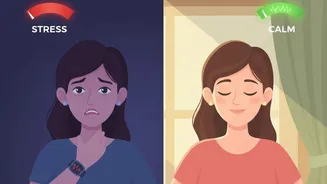








Embrace the Present
In today's relentlessly fast-paced world, finding moments for mental wellness can seem like an insurmountable challenge. We're constantly bombarded with
demands, leaving little room for personal respite. However, research increasingly highlights the profound impact of brief, regular mindfulness practices on stress management and overall well-being. A popular and accessible approach is the 5-minute meditation. This isn't about achieving an altered state or completely silencing your thoughts; rather, it's about dedicating a small, intentional window each day to simply exist in the moment. The true power of a 5-minute meditation lies in its feasibility – a commitment that virtually anyone can integrate into their daily routine. Consistency, not the length of the session, is the key factor in reaping its benefits.
Your Quick Meditation Guide
To begin your 5-minute meditation, find a comfortable posture. You can sit upright on a chair with your feet flat on the floor, or on a cushion with crossed legs, ensuring your spine is supported. Alternatively, lying down can also be effective if you can remain alert. Gently close your eyes, or if preferred, soften your gaze and direct it towards a neutral spot on the floor. The core of this practice is focusing on your breath. Observe the natural rhythm of your inhalation and exhalation, noticing the subtle sensations of your chest or abdomen rising and falling. Resist any urge to alter your breathing; simply be an observer. It's natural for your mind to wander during meditation. When you realize your thoughts have drifted, gently acknowledge them without judgment, and then kindly redirect your attention back to your breath. Think of this as a soft redirection rather than a reprimand. Continue this mindful observation for the full five minutes. Using a timer can be helpful, but try to avoid checking it too frequently. The aim is to become fully immersed in the present moment. As the timer signals the end, slowly bring your awareness back to your immediate surroundings. Wiggle your fingers and toes, and when you feel ready, open your eyes.
The Science of Short Sits
This brief meditation offers significant advantages for your mental health. Even a few minutes of focused breathing can trigger a calming response in your nervous system, leading to reduced cortisol levels and fostering a sense of tranquility. Furthermore, consistently practicing this technique trains your brain to remain present, which can enhance your concentration and focus in all aspects of your life. By observing your thoughts and emotions without immediate judgment, you cultivate a deeper understanding of your inner world, leading to improved self-awareness. This practice also plays a crucial role in emotional regulation. Learning to witness your feelings without an impulsive reaction empowers you to manage them more effectively, preventing small irritations from escalating into significant distress.
Building a Lasting Habit
To truly benefit from this meditation, making it a consistent habit is essential. Treat your meditation time as a non-negotiable appointment in your day. Setting a daily reminder on your phone can be incredibly helpful. Life happens, and there may be days you miss your practice; don't let this discourage you. The key is resilience – simply resume your routine the following day without self-recrimination. Experiment to discover the time of day that best suits your personal rhythm and energy levels. Whether it's first thing in the morning to set a calm tone, during a lunch break to reset, or in the evening to wind down, find what works harmoniously with your schedule. Prioritizing your mental well-being doesn't demand an extensive time commitment. A simple, consistent 5-minute meditation routine can serve as a powerful tool for navigating the complexities of modern existence and cultivating a more serene and balanced life.
A Deeper 5-Minute Protocol
For those seeking a more structured approach within their five minutes, consider this alternative protocol. Begin by dedicating the first minute to acknowledging your 'self' as distinct from your daily stressors, your buzzing phone, and physical fatigue. Mentally affirm, 'I am not my stress; I am the observer of it.' This mental detachment immediately helps mitigate the body's 'fight or flight' response. The second minute involves focusing on the Agya Chakra, located between your eyebrows. As you inhale deeply, visualize a golden light entering this point, which is associated with clarity and focus – essential for making decisions or absorbing information. For the third minute, engage in Kumbhaka, a breath retention technique. Inhale for four seconds, hold for two, and exhale for six. This brief breath hold is a powerful 'bio-hack' for calming the nervous system. The fourth minute is dedicated to Bhramari Pranayama (humming bee breath). Close your ears with your thumbs and place fingers over your eyes. Inhale, then exhale while producing a steady humming sound. The vibrations act as a gentle massage for the brain, clearing mental blockages and enhancing intuition. Finally, use the fifth minute for intentional energetic protection. Visualize a protective aura of light surrounding you. This practice solidifies a mental boundary, reinforcing your intention to not let minor annoyances disrupt your peace for the remainder of the day.