



Galactic 'Eyes' Revealed
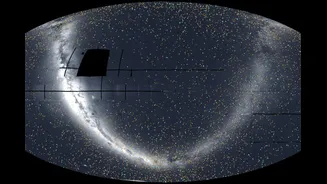
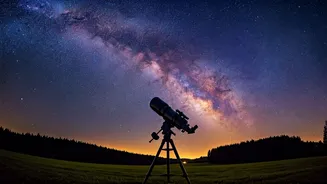
Astrophotography is opening up the universe, even from home. Imagine capturing the distant, ethereal beauty of galactic formations, often referred to metaphorically
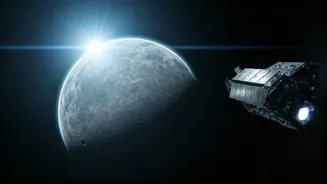
as 'Eyes,' right from your own backyard. This feat, once requiring immense professional equipment, is now more accessible. Advances in telescope technology and camera sensitivity have empowered amateur astronomers to document these celestial sights. Such observations not only provide stunning visual experiences but also contribute to our broader understanding of the universe's structure and evolution. The ability to photograph objects light-years away underscores the progress in optical instruments and digital imaging, bringing the vastness of space closer than ever before.
Planetary Ballet Tonight
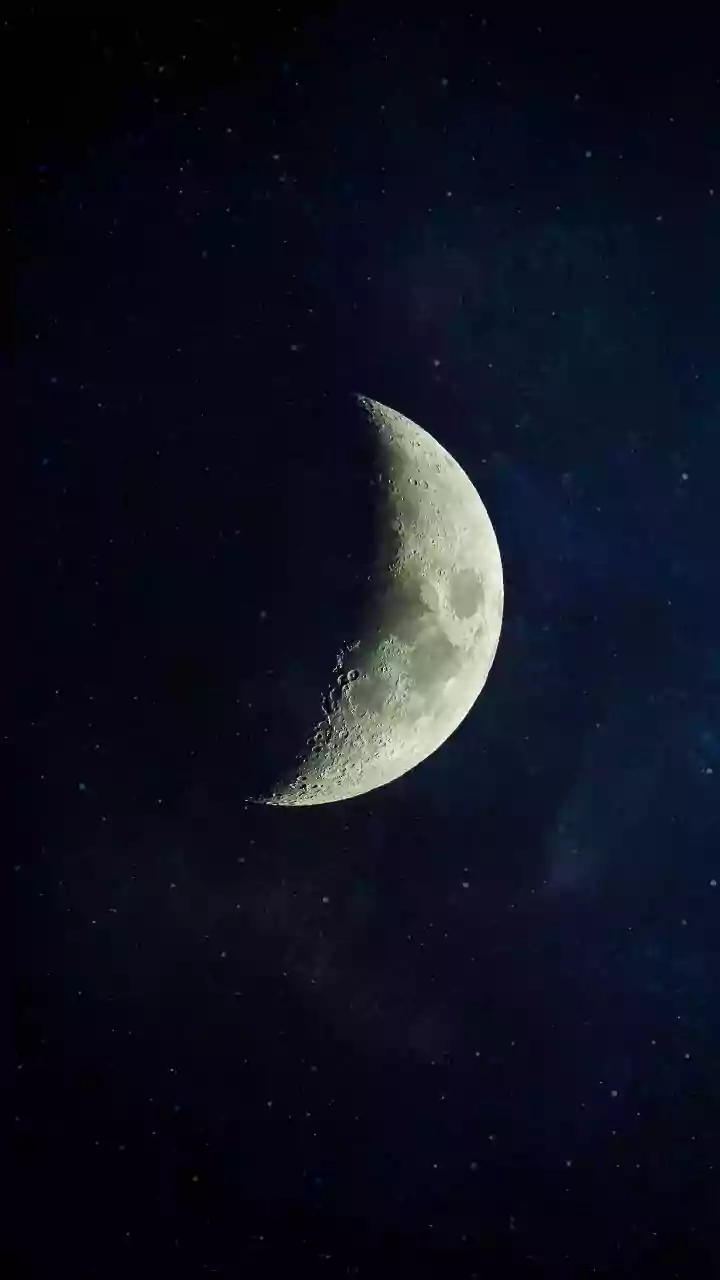
Prepare for an enchanting celestial performance as planets and the moon engage in a captivating dance across the evening sky. This upcoming May, a slender crescent moon will be beautifully juxtaposed with the dazzling planet Venus, creating a spectacle visible shortly after sunset. Later, the moon and Jupiter are set to steal the show, offering a prime opportunity for observation. Furthermore, a particularly striking event will feature a razor-thin crescent moon shining alongside Saturn. These alignments are perfect for anyone interested in the night sky, highlighting the dynamic and ever-changing nature of our solar system and providing accessible marvels for both novice and experienced stargazers alike. Observing these close encounters offers a tangible connection to the cosmos.
Lunar Illumination Explained
Witness the subtle yet fascinating phenomenon of earthshine, a gentle illumination that reveals the unlit portion of the moon's face. This ethereal glow occurs when sunlight reflects off the Earth and then bounces onto the moon's surface. On nights when the moon is a slim crescent, earthshine becomes particularly noticeable, giving the 'dark' part of the moon a soft, ghostly appearance. Understanding this effect deepens our appreciation for the interplay of light between our planet and its celestial neighbor. It's a reminder that the moon is not entirely black when not directly illuminated by the sun, but rather bathed in a subtle radiance from Earth, offering a unique viewing opportunity for those who know to look for it.
New Discoveries Unveiled
Astronomers are constantly pushing the boundaries of cosmic knowledge, making groundbreaking discoveries. Recently, an interstellar comet, designated 3I/ATLAS, was identified hiding within archived images taken even before its official detection. This highlights the power of retrospective analysis of astronomical data. Additionally, a significant technological feat occurred when a giant radio telescope managed to detect signals from astronauts aboard the Artemis 2 mission as they orbited the moon. The sheer scale of this achievement, involving identifying 'four people in those pixels,' underscores advancements in radio astronomy and deep space communication, showcasing humanity's growing reach and observational capabilities.
Overcoming Light Pollution
For many aspiring astronomers, light pollution from urban and suburban areas presents a significant obstacle to clear sky viewing. However, innovative equipment is proving that this challenge is not insurmountable. Telescopes designed with advanced light-gathering capabilities and sophisticated image processing techniques can overcome moderate levels of artificial light, allowing users to capture stunning celestial images and observe fainter objects than previously thought possible. This breakthrough is particularly exciting for those who believed their location was unsuitable for astrophotography, opening up the universe for a wider audience and proving that the cosmos is accessible even with common environmental limitations.
Space Missions & Exploration
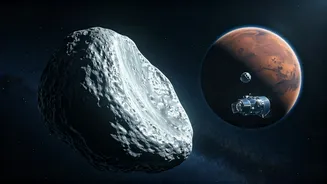
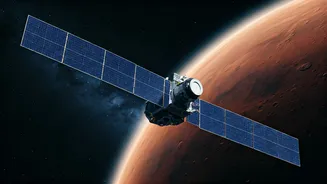
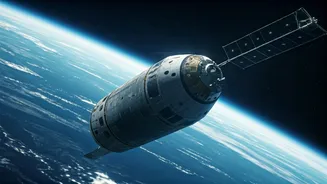
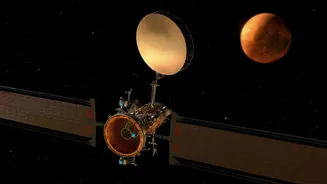
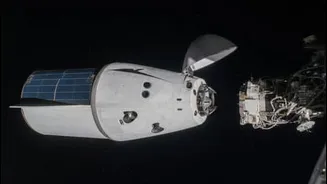
The ongoing exploration of space continues with remarkable missions delivering essential supplies and scientific payloads. The SpaceX Dragon capsule recently arrived at the space station, carrying vital experiments and resources that will support crucial research activities in orbit. In another significant journey, NASA's Psyche spacecraft is en route to a metal-rich asteroid. Intriguingly, this mission involved a gravitational assist maneuver around Mars, demonstrating the complex orbital mechanics and strategic planning required for interplanetary travel. These missions exemplify humanity's relentless pursuit of understanding our solar system and beyond, utilizing cutting-edge technology and international collaboration.
Celestial Patterns Emerge
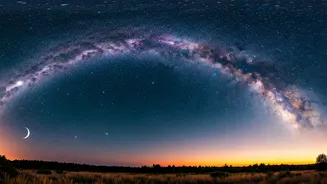
The night sky often presents breathtaking patterns formed by stars and planets, offering regular opportunities for observation. One such recurring display involves four bright stars forming a prominent 'diamond' shape visible during the May night sky, a beautiful find for skywatchers. Moreover, the new moon in May 2026 promises exceptional views of the Milky Way's grandeur, accompanied by the dazzling appearances of Venus and Mars. These celestial arrangements, like the alignment of Venus with the Pleiades star cluster, serve as gentle reminders of the predictable yet awe-inspiring movements occurring in our cosmic neighborhood, inviting consistent engagement with astronomy.