






Ancient Wisdom, Modern Needs
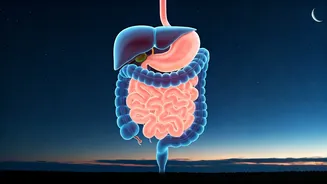
Celebrity nutritionist Ryan Fernando highlights a crucial dietary guideline: avoid eating after sunset. He traces this practice back to our ancestors,
who abstained from meals in the evening due to safety concerns. This historical context underscores a natural biological inclination. Today, despite our sedentary 'desk jockey' lifestyles, we often ignore this principle. Fernando suggests that our meals should be lighter in the evenings, focusing on vegetables and a moderate amount of protein, rather than heavy carbohydrates like rice, which are better suited for earlier in the day. This approach acknowledges that our modern, office-bound existence doesn't necessitate the energy intake required by more physically demanding historical lifestyles, advocating for a diet that better aligns with our current activity levels.
Circadian Rhythm Disruption
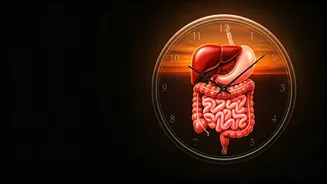
Consultant dietitian Kanikka Malhotra elaborates on the physiological reasons behind avoiding late-night meals, emphasizing the disruption of the body's circadian rhythm. This internal biological clock regulates numerous bodily functions, including metabolism and digestion. When we eat after sundown, we interfere with this natural cycle, leading to a cascade of negative effects. Digestion slows down considerably, gastric acid secretion can increase inappropriately, and the body's ability to manage glucose becomes impaired. This misalignment with our natural biological timing is a significant factor in why late eating is problematic for overall health and well-being, setting the stage for various metabolic complications.
Metabolic Health Risks
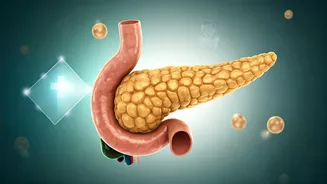
The consequences of late-night eating extend to increased risks of chronic metabolic disorders. Malhotra explains that consuming food in the evening is associated with higher postprandial blood glucose levels, meaning blood sugar remains elevated for longer periods after eating. Furthermore, it can lead to reduced insulin sensitivity, making it harder for the body to regulate blood sugar effectively. These combined factors are significant contributors to the development of conditions such as obesity, type 2 diabetes, and cardiovascular diseases. Beyond these chronic issues, the extended digestive effort during sleep can cause discomfort like acid reflux, directly impacting the quality and restorative nature of one's sleep.
Benefits of Early Dinners
Conversely, embracing an earlier dinner offers substantial health advantages. Malhotra points out that eating before sunset promotes better fat metabolism, specifically enhancing lipolysis and fat oxidation, which are crucial processes for effective weight management and efficient energy utilization. An early dinner, ideally consumed 3 to 4 hours before bedtime, helps optimize hormonal balance and ensures better alignment with our circadian rhythms. This strategic timing also enhances the body's ability to absorb nutrients effectively. By minimizing late-night insulin spikes and reducing the likelihood of fat accumulation, an early dinner contributes significantly to improved metabolic health and overall wellness.