






Your Body's Internal Clock
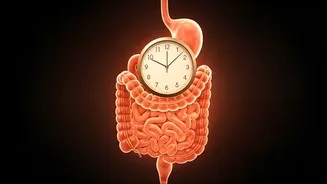
Our bodies operate on a sophisticated 24-hour internal timing system known as the circadian rhythm. This biological clock, governed by a tiny master clock in the brain,
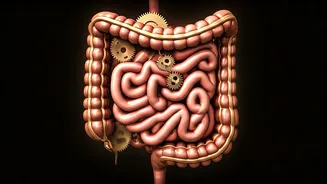
orchestrates nearly every bodily function, from our mood and energy levels to our cravings and motivation. It dictates when our hormones are released and active. For instance, digestive hormones are typically most receptive and active from sunrise until sunset, aligning with daylight. Conversely, the body's repair and restoration processes, driven by hormones like growth hormone, kick in as we fall asleep and peak during the night, helping to mend tissues and muscles after daily exertion. Understanding this intricate hormonal dance is key to appreciating why our eating patterns matter.
Consistency Over Exact Time
While a dinner around 6 pm might seem biologically ideal, Dr. Palaniappan Manickam emphasizes that consistency in your eating schedule holds greater significance. For individuals with demanding work hours or long commutes, adhering to an early dinner might be impractical. The crucial takeaway is to maintain a predictable routine that syncs with your body's internal timing. Whether you dine at 7 pm or 9 pm, the key is regularity. This consistent pattern allows your digestive system and hormonal responses to anticipate meals, promoting better efficiency and reducing the likelihood of disruption. The body adapts best to predictable cues, making your established dinner and sleep times more impactful than the precise minute you eat.
The Dinner-Sleep Interval
When it comes to the crucial time between your last meal and bedtime, experts suggest maintaining a minimum gap of two to three hours. This buffer period is essential to allow your digestive system adequate time to process the food you've consumed before you lie down. Eating too close to sleep can interfere with the body's natural transition into rest, potentially leading to issues like acid reflux, bloating, and disrupted sleep patterns. By giving your stomach enough time to empty, you facilitate a smoother passage into sleep and improve the overall quality of your rest, contributing to better metabolic health and cellular repair overnight.
Healthy Late-Night Meals
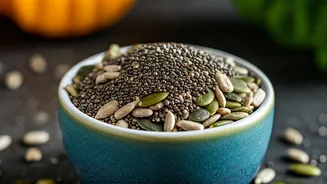
For those whose schedules necessitate a later dinner, the quality and composition of the meal become paramount. Opt for lighter, easily digestible options rather than heavy, deep-fried, or overly spicy dishes. Meals rich in fiber, with moderate protein and lower amounts of unhealthy fats, are generally better tolerated in the evening. Excessive sugar and large portions close to bedtime can exacerbate digestive discomfort and disrupt sleep. Prioritizing these choices and maintaining a consistent routine for both dinner and sleep can significantly support your digestive health, even if your dinner hour isn't perfectly aligned with the earliest biological recommendations.