


Nutrient Powerhouse Explained
Avocado is far more than a fleeting culinary trend; it's a treasure trove of essential nutrients. This creamy fruit is packed with beneficial monounsaturated
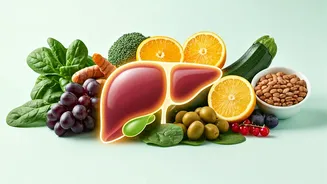
fats, crucial for maintaining healthy energy levels and supporting overall vitality. It also provides a significant amount of dietary fiber, vital for digestive well-being, and potassium, a mineral instrumental in numerous bodily functions, including fluid balance and nerve signaling. Beyond these, avocados are a good source of antioxidants like vitamins C, E, and B9 (folate), which play a critical role in protecting your cells from oxidative damage. The high concentration of oleic acid, a monounsaturated fatty acid, contributes not only to the fruit's smooth texture but also aids in the liver's natural detoxification processes. These combined elements make avocado a truly nutrient-dense food that contributes to glowing skin and robust health when integrated into regular meals.
Heart Health Advantages
Consuming an avocado daily can offer significant advantages for your cardiovascular system. The abundance of monounsaturated fats, particularly oleic acid, found in avocados is renowned for its ability to improve cholesterol profiles. These healthy fats work by helping to reduce levels of LDL (low-density lipoprotein), often referred to as 'bad' cholesterol, while potentially maintaining or even increasing HDL ('good') cholesterol. This balance is crucial for preventing the buildup of plaque in arteries, a primary factor in heart disease. Furthermore, the potassium content in avocados plays a vital role in managing blood pressure. Potassium helps to counteract the effects of sodium, promoting the excretion of excess sodium through urine and relaxing blood vessel walls, which together contribute to lower blood pressure readings and overall cardiovascular support. By supporting healthier cholesterol levels and blood pressure, regular avocado intake is a delicious way to nurture your heart.
Gut Health Support
The impact of daily avocado consumption extends directly to your digestive tract, promoting a healthier gut environment. Avocados are an excellent source of dietary fiber, both soluble and insoluble, which is fundamental for a well-functioning digestive system. Fiber adds bulk to stool, aiding in regular bowel movements and preventing constipation. More importantly, this fiber acts as a prebiotic, serving as food for the beneficial bacteria that reside in your gut. These friendly microbes are essential for nutrient absorption, immune system regulation, and even influencing mood. By fostering the growth of these beneficial gut bacteria, avocados contribute to a more balanced and resilient gut microbiome. The presence of certain plant compounds within avocados further supports this symbiotic relationship, creating an environment where healthy gut flora can thrive, leading to improved digestion and overall well-being.
Blood Pressure Regulation
Maintaining healthy blood pressure is a cornerstone of overall cardiovascular health, and incorporating avocados into your diet can be a natural and effective strategy. Avocados are exceptionally rich in potassium, a mineral that plays a critical role in regulating blood pressure. Potassium works in tandem with sodium in the body; while high sodium intake can elevate blood pressure, adequate potassium helps to balance this effect by promoting the excretion of excess sodium through the kidneys. Additionally, potassium helps to relax the walls of blood vessels, reducing resistance to blood flow and consequently lowering blood pressure. The combination of healthy fats and fiber in avocados also contributes to a feeling of fullness, which can help prevent overeating and support weight management, another factor that positively influences blood pressure. Thus, the daily enjoyment of avocados offers a delicious pathway to better blood pressure control.