





Understanding Salted Water
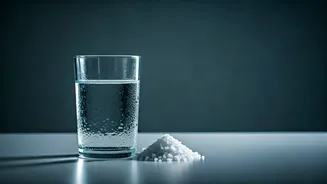
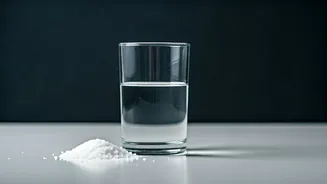
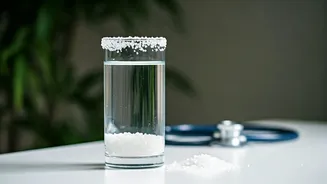
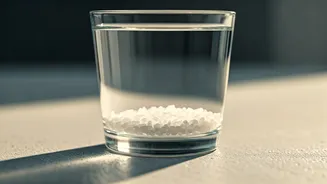
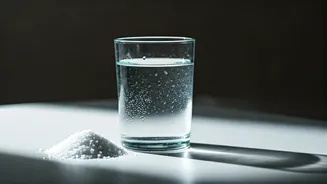
The notion of enhancing hydration by adding salt to water has gained traction, largely influenced by 'electrolyte hacks' circulating on social media. However,
experts caution against viewing this as a universal solution. While our regular diets typically supply sufficient sodium, supplementing with extra salt in every glass of water can easily lead to an intake far exceeding recommended limits. This can pose significant health risks, including elevated blood pressure, undesirable water retention, and long-term issues affecting the cardiovascular system. The key takeaway is that this practice is not a daily necessity and should only be considered in very specific circumstances where the body has experienced substantial sodium loss, such as after vigorous physical activity, bouts of vomiting or diarrhea, or prolonged exposure to extreme heat.
Who Should Avoid?
Certain individuals must exercise extreme caution or completely abstain from adding extra salt to their drinking water. This includes anyone managing hypertension (high blood pressure), heart conditions, kidney disease, or experiencing general swelling or fluid retention. For those with kidney issues, the sensitivity to sodium loads is particularly heightened, making it imperative to avoid any added salt unless explicitly directed by a medical professional. The body's ability to process and excrete excess sodium is compromised in these conditions, making the trend potentially dangerous rather than beneficial.
When It's Appropriate
There are indeed limited scenarios where introducing salt into drinking water can be deemed appropriate, but it comes with significant caveats. Endurance athletes, individuals suffering from dehydration due to illness, or those exposed to high temperatures for extended periods might benefit from electrolyte replenishment, which includes sodium. However, even in these situations, opting for medically prepared Oral Rehydration Solutions (ORS) or specialized electrolyte drinks is strongly advised. These products are formulated for optimal absorption and balanced electrolyte profiles, offering a safer and more effective alternative to randomly adding table salt to water. This method can be particularly useful during hot and humid weather when fluid loss is high or for people who struggle to consume adequate plain water, provided they are also engaged in intense physical activity.
Pre-Trend Precautions
Before even considering the salted water trend, a thorough self-assessment of your health status is crucial. If you have any existing concerns regarding blood pressure or kidney function, it is best to refrain from introducing additional sodium. It's a common misconception that more salt equates to better hydration; in reality, the body primarily needs water, and an excess of sodium can paradoxically leave you feeling thirstier. Prioritize natural sources of hydration like plain water, coconut water, buttermilk, and water-rich fruits such as watermelon. Should the need arise for electrolyte replacement, a properly formulated ORS is the recommended route. It's also vital to be discerning about social media trends; what appears to work for one person may not be medically suitable for your individual needs, and consulting healthcare professionals remains the most reliable approach.