




Gujarati Millet Magic
Shital Kakad, a home chef from Mumbai with Surti roots, aims to debunk the notion that Gujarati cuisine is exclusively sweet. Her culinary offerings highlight
seasonal dishes crafted from cherished family recipes. Among her specialties is 'khichu,' a breakfast dish traditionally prepared with rice flour, though contemporary adaptations incorporate various other flours. During winter, 'bajra' or pearl millet becomes a popular choice for khichu, as the cooler climate aids digestion of this grain. This season also marks the abundant use of 'lila lasun,' or green garlic, a beloved ingredient among Surtis, which is also a key component in 'Undhiyu.' The use of bajra imparts a pleasantly coarse texture to the khichu, and its inherent nutty undertones contribute to a feeling of profound nourishment. The green garlic adds a distinct pungency, and the dish is further enhanced by smoking it with coal, intensifying its overall flavor profile. Khichu might be an acquired taste for some, but it beautifully encapsulates the essence of locally sourced, seasonal produce, making it a remarkably healthy dish.
Odia Comfort Classics
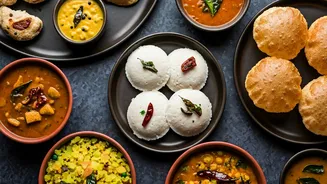
For those in Mumbai seeking the authentic flavors of Odisha, Sneha Senapati offers a delightful solution. As a native of Cuttack, her venture serves as a heartfelt tribute to her late mother. A standout breakfast offering from her kitchen is 'bara,' a savory fritter akin to a medu vada, enriched with finely minced onions, ginger, and curry leaves incorporated into the batter. This is expertly paired with 'ghooguni,' a zesty and tangy preparation of dried yellow peas, reminiscent of 'ghoogni' found in Bengal, and 'chakuli,' a pancake-like dish similar in appearance to Kerala's 'appam,' made from a batter of rice and urad dal. The addition of finely chopped onions, green chilies, and tomatoes to the bara-ghooguni combination lends it a lively, street-food chaat-like character. The mild, carbohydrate-rich chakuli serves as a perfect counterpoint to the potent flavors of the bara-ghooguni, creating a harmonious breakfast ensemble. While ghoogani is enjoyed in regions like Bengal and Bihar, the distinctive combination of bara, ghoogani, and chakuli is uniquely Odia, and Sneha's rendition is a testament to its comforting, homely deliciousness.
Bihari Soul Food
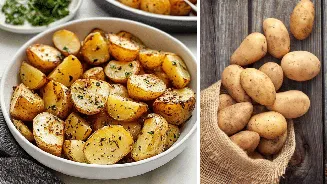
Mumbai, despite its significant Bihari population, lacks dedicated restaurants specializing in Bihari cuisine. Rachna Prasad bridges this gap through her home chef enterprise, Ambrosia Kitchen, which has seen a surge in popularity since its inception during the lockdown. Her menu features 'lehsuni aloo bhujia,' a straightforward stir-fried potato dish that can be wonderfully complemented by 'khasta paratha,' 'ajwain poori,' or 'hing kachori.' This dish is widely regarded as one of Bihar's most comforting and soul-satisfying breakfast options. Rachna's preparation of the bhujia draws its vibrant flavors from the generous use of fresh garlic, chilies, and turmeric, creating an aromatic and deeply satisfying meal.
Kashmiri Winter Warmth
Jasleen Marwah's passion for Kashmiri cuisine blossomed when she relocated to Mumbai for work and found herself yearning for the familiar tastes of home. She would frequently consult her mother, endeavoring to recreate the flavors of her childhood in Kashmir. Her dedication has led her to make numerous trips back to her homeland to refine her culinary skills, and she now presents her authentic dishes under the banner 'Namak Swaad Anusar.' During the winter months, she offers 'harissa,' a slow-cooked dish of meat and rice that possesses a texture akin to haleem. In Kashmir, small stalls selling harissa emerge during the winter, and locals consider it a highly fortifying meal. The synergy of protein and fat from the meat, combined with the starch from the rice, creates a delicious elixir that provides sustained warmth and energy throughout the day.
Kerala's Spicy Delight
The pairing of buffalo fry and 'porotta' is immensely popular in Kerala, uniting people from all walks of life. The porotta itself is believed to have journeyed to Kerala from Sri Lanka, passing through Tamil Nadu. Each city within Kerala boasts its own unique blend of spices that defines its buffalo fry. A commendable rendition of this Kerala staple is available from 'Nair on Fire,' a premium cloud kitchen operated by Toral Sanghavi and the dynamic husband-and-wife chef duo, Sara Jacob and Vinod G Nair. This trio harbors aspirations of opening a physical restaurant in the future. The standout quality of their buffalo fry lies in the exceptional succulence of the meat, which is never overwhelmed by the spices used. The inclusion of coconut bits adds a delightful crunch, providing a pleasing textural contrast. The porotta, with its inherent subtle sweetness, acts as a perfect foil to the peppery intensity of the buffalo fry, creating a truly memorable culinary experience.
Parsi Morning Comfort
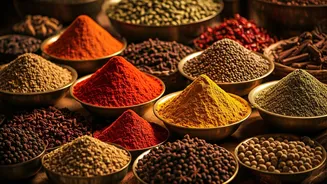
Mahrukh Mogrelia, originally from Navsari, Gujarat, brings a distinct 'rustic/homey' touch to Parsi cuisine, influenced by her roots. Her style tends to be spicier than much of the Parsi food commonly found in Mumbai today. A prime example of this is her rendition of the classic Parsi breakfast dish, 'papeta per eedu'—eggs cooked atop a potato 'bhaaji.' Mahrukh meticulously sources her spices from Navsari, offering a culinary reminder of traditional Parsi cooking. What sets her dishes apart is the robust pungency of the spices and the fiery chilies employed. While the heat might be invigorating for a morning start, the simple act of biting into the perfectly cooked egg helps to harmonize the flavors. This delightful dish is best enjoyed when paired with either a soft 'naram pav' or a crusty 'karak pav,' completing a satisfying morning meal.
Kashmiri Harissa Tradition
Jasleen Marwah's culinary journey, rooted in her longing for Kashmiri home food after moving to Mumbai, led her to perfect the art of recreating traditional dishes. Her venture, 'Namak Swaad Anusar,' showcases authentic Kashmiri flavors. A winter delicacy she proudly presents is 'harissa,' a slow-cooked blend of meat and rice. This dish offers a texture that many liken to haleem and is a staple in Kashmiri winters, often found in small street-side eateries. Locals consider harissa a power-packed meal, where the rich protein and fats from the meat, combined with the carbohydrates from the rice, create a nourishing 'elixir' that provides enduring warmth and energy throughout the colder months.
Mughlai Nihari Legacy
Shabnam Mukadam, belonging to the Khoja Muslim community and married into a Kutchi Memon family, established 'Cooking Fiesta' during the lockdown. Her home chef venture aims to provide an authentic taste of the Muslim cuisine as prepared in her own home. A signature dish she offers is 'nihari,' a highly regarded breakfast preparation. The richness derived from the meat and spices in nihari is traditionally believed to prepare one for a day of demanding work. While contemporary lifestyles may not necessitate a daily indulgence in nihari, connoisseurs of mutton will undoubtedly appreciate the superior quality of meat used in Shabnam's preparation. The slow-cooking process renders the mutton exceptionally tender, allowing the deep, majestic gravy to showcase the meat's inherent flavors, complemented by a subtle yet precise spice profile that adds just the right touch of sophistication.
Pathare Prabhu Spice
The Pathare Prabhu community, among Mumbai's original inhabitants, boasts a cuisine influenced by their migration history, incorporating elements from Rajasthan, the British Raj, Gujarat, Hyderabad, and Maharashtra. Their food is predominantly non-vegetarian, often characterized by its spiciness and prominent garlic notes. Bimba Nayak, a seasoned Mumbai-born chef with prior experience in royal kitchens abroad, returned to the city two decades ago. She launched her home chef venture, 'Cooking Concepts,' alongside her son and daughter-in-law during the pandemic. Her Pathare Prabhu mutton 'kheema' is an ideal choice for a Sunday brunch, traditionally served with 'pav.' The kheema possesses a distinctive spicy kick, attributed to the unique Pathare Prabhu 'sambhar masala'—a complex blend of 22 spices, distinct from South Indian sambhar. This intricate spice mix masterfully balances the rich flavors of goat mince, with the addition of potatoes rounding out the dish and tempering the spice.
Bengali Dal Puri Delight
Ananya Banerjee, a cookbook author, skillfully recreates the nostalgic essence of her early years in Kolkata through 'The Saree Chef,' her home chef delivery service launched during the lockdown. Her 'dal puri'—a 'maida' (refined flour) flatbread stuffed with mashed lentils—is typically served alongside 'alur dom' (potato curry) or 'chholar dal' (lentil curry), presenting a delightful breakfast experience reminiscent of those found in Kolkata's numerous 'mishtir dokans' (sweet shops). What distinguishes Ananya's dal puris from their traditional counterparts is their exceptionally soft texture, likely achieved by shallow-frying them in ghee rather than deep-frying. The lentil stuffing is generous, and the 'maida' is prepared thinner than usual, contributing to a more wholesome and less carbohydrate-heavy dish.