



Cooking Methods Compared
Both microwaving and steaming present themselves as champions in the realm of healthy cooking. They employ distinct mechanisms to prepare food, both of which
require no or very minimal water, saving both time and energy. Steaming operates by gently heating food via indirect steam, whereas microwaving uses electromagnetic waves to heat water molecules within the food itself, effectively cooking it from the inside out. Both processes are considered superior to methods like boiling or frying, which can leach nutrients from the vegetables. Deciding which method preserves more of the beneficial compounds in vegetables is the crux of the debate, and understanding the nuances of each technique is important for optimal nutrition. As you go through this you'll find out which one reigns supreme.
Microwaving's Nutritional Edge
Microwaving comes with some distinct advantages, notably when it comes to retaining water-soluble vitamins. Vitamins like C and those in the B-complex family are particularly susceptible to being lost through traditional cooking processes like boiling. However, because microwaving requires minimal water and often involves shorter cooking times, it can reduce nutrient loss. The quick cooking time and minimal water contact reduce the degradation of these sensitive vitamins. This means that when you microwave vegetables, you're more likely to preserve a larger percentage of their nutritional value compared to cooking methods that expose food to more intense heat or lengthy cooking times. This method also can retain antioxidants and phytonutrients because of its efficiency.
Steaming's Antioxidant Power
Steaming also secures a notable position in the nutritional battleground, particularly when preserving antioxidants and phytonutrients. These valuable compounds are crucial for fighting free radicals and promoting overall health. Steaming, with its gentle, indirect heat, minimizes the risk of damaging these sensitive nutrients. This method helps to maintain the integrity of these beneficial plant compounds. The gentle approach employed in steaming protects these nutrients, making steamed vegetables a great option. Steaming is a go-to method for ensuring the preservation of these essential compounds. The gentle heat helps retain these compounds compared to more aggressive cooking techniques.
Veggies Best Suited
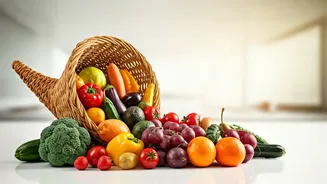
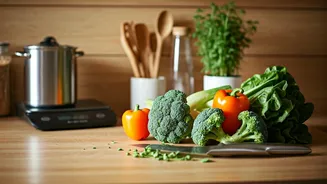
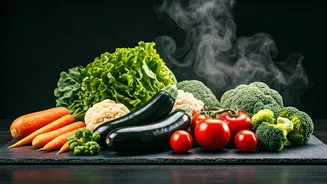
Specific vegetables fare better with one method over the other, considering their composition and texture. For example, vegetables with high water content, like spinach or zucchini, tend to cook perfectly in the microwave because of its rapid heating. Dense vegetables, such as broccoli or carrots, benefit from the even, consistent heat of steaming, which softens them while preserving their structure and nutrients. Considering the unique properties of each vegetable and employing the method best suited to it is a strategic approach to cooking. The choice of cooking method is a key factor in ensuring both deliciousness and maximizing the nutritional benefit of each vegetable.
The Final Verdict
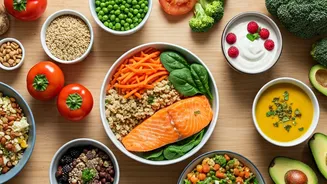
Both microwaving and steaming are excellent choices for healthy cooking, each with its own advantages. Microwaving may have a slight edge when it comes to preserving water-soluble vitamins due to its quick cooking time and minimal water use. Steaming is a strong contender, excelling in the preservation of antioxidants and phytonutrients. The 'best' method truly depends on the type of vegetable being cooked and your specific nutritional goals. Ultimately, incorporating both methods into your cooking repertoire can help you enjoy a wide range of nutritious, flavorful vegetables, cooked in ways that maximize their health benefits.