





Discovering Araksa's Charm
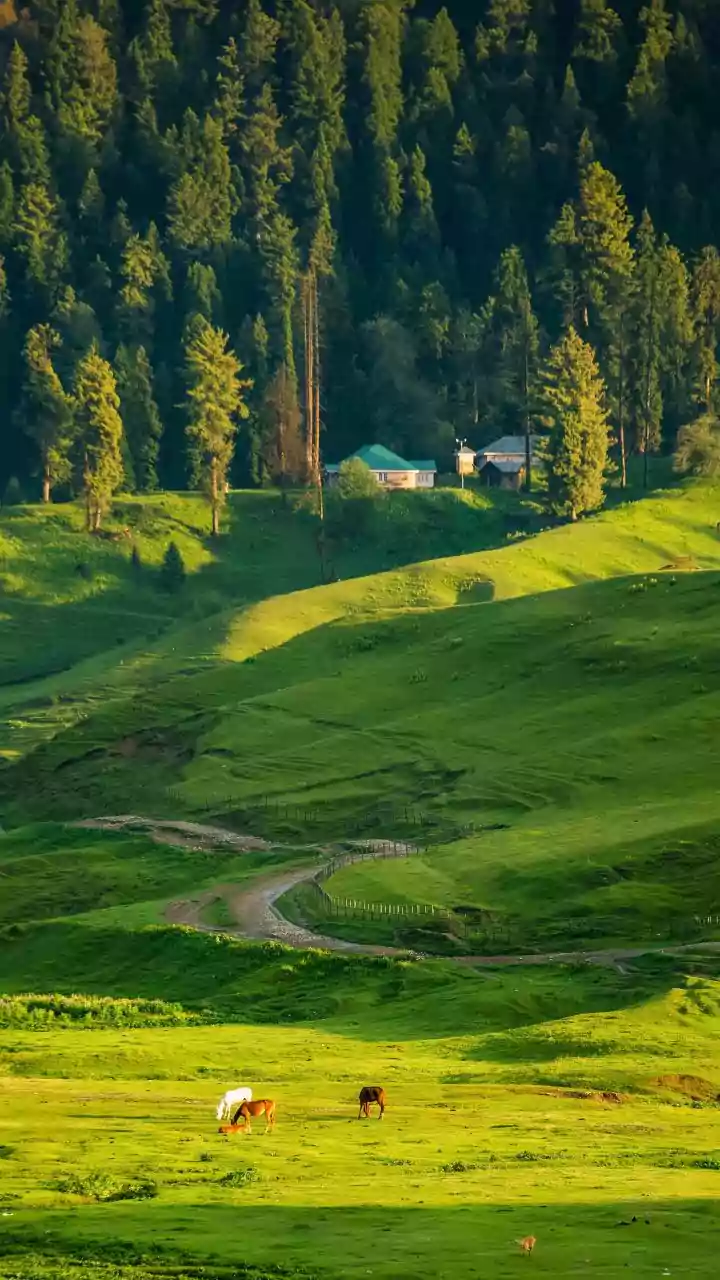
Nestled in the verdant hills north of Chiang Mai, within the Mae Tarng District's Ban Chang community, lies Araksa Tea Garden, a significant landmark as
Thailand's first commercial tea operation to achieve USDA and EU organic certifications. This 111-acre sanctuary offers a profound connection to nature and tradition. The farm cultivates a unique blend of local 'jungle tea' species and adaptable Assam hybrids, some plants dating back 40 to 70 years, thriving at an elevation exceeding 1,706 feet. Chananya Phataraprasit, the CEO, emphasizes that Araksa’s distinction lies not just in its cultivation methods but in how it embodies Thai identity through the flavor, aroma, and gentle processing of each leaf. The experience begins with an immersive visit, where guests are often tasked with the delicate art of plucking tea leaves according to specific patterns, a process that highlights the skill and dedication of the estate's seasoned workers. The initial challenge of identifying the correct leaf formations quickly gives way to an appreciation for the practiced ease with which resident pluckers fill their baskets, a testament to generations of expertise.
Immersive Tea Experiences
Araksa Tea Garden provides a multifaceted approach to experiencing tea, extending far beyond a simple tasting. Visitors can engage in guided tea harvesting excursions, where they learn the meticulous technique of selecting the finest leaves, a skill that soon reveals its complexity. The process of sorting and pan-roasting these leaves is conducted with meticulous care, showcasing the dedication behind every batch. This hands-on involvement offers a deeper appreciation for the 'secret ingredient' Phataraprasit mentions: a profound understanding of the land that influences every step of tea production. Beyond harvesting, the garden offers workshops focused on tea blending and honing sensory skills, allowing participants to explore the nuances of different tea varieties, including award-winning options. For those seeking a more holistic experience, the garden also recommends forest bathing, a practice that enhances one's connection to the natural surroundings. An overnight stay at the affiliated lodge further deepens this engagement, featuring guided garden meditations and unique steam baths utilizing dried herbs and tea leaves.
Community and Heritage Preservation
Araksa Tea Garden plays a crucial role in supporting and preserving the cultural and economic fabric of Northern Thailand. The farm is deeply committed to community impact, prioritizing fair employment practices, providing hands-on training, and actively empowering local women. This approach ensures that the benefits derived from the garden's success remain within the community. Phataraprasit views Araksa as a vital initiative for safeguarding the region's tea heritage and fostering its evolution among local artisans. Each cup of tea produced here serves as a narrative, reflecting the people and the landscape from which it originates. The garden's commitment to responsible tourism has also garnered recognition from organizations like Tourism Cares, which promotes meaningful and sustainable travel. These authentic encounters, where visitors can engage directly with local artisans and participate in traditional crafts, forge genuine connections, allowing travelers to perceive Thailand not merely as a destination but as a vibrant, living culture sustained by its inhabitants.
Culinary Delights and Connection
Beyond the tea itself, the Araksa experience extends to a rich culinary journey that complements the agricultural immersion. Following a garden adventure, guests are treated to a family-style, home-cooked organic meal prepared on-site. This communal dining experience offers a chance to savor authentic local flavors and learn about traditional preparation methods. For instance, an Intrepid Travel guide, with deep roots in the region, might demonstrate the art of properly mixing 'khao yum,' a vibrant Thai rainbow rice salad bursting with a colorful array of vegetables and herbs. Additionally, guests might be introduced to dishes like Burmese pork curry, characterized by its aromatic, stew-like consistency, which often leads to seconds. These shared meals and culinary insights foster natural connections, transforming a simple garden visit into a profoundly moving experience. It is through these moments of shared food, human connection, and engagement with the local way of life that the essence of responsible travel is truly realized, ensuring the enduring beauty and spirit of Thailand for future generations.