



A Village Reimagined
Mana, nestled at a breathtaking altitude of approximately 10,498 feet in Uttarakhand's Chamoli district, is a settlement that has recently embraced a new
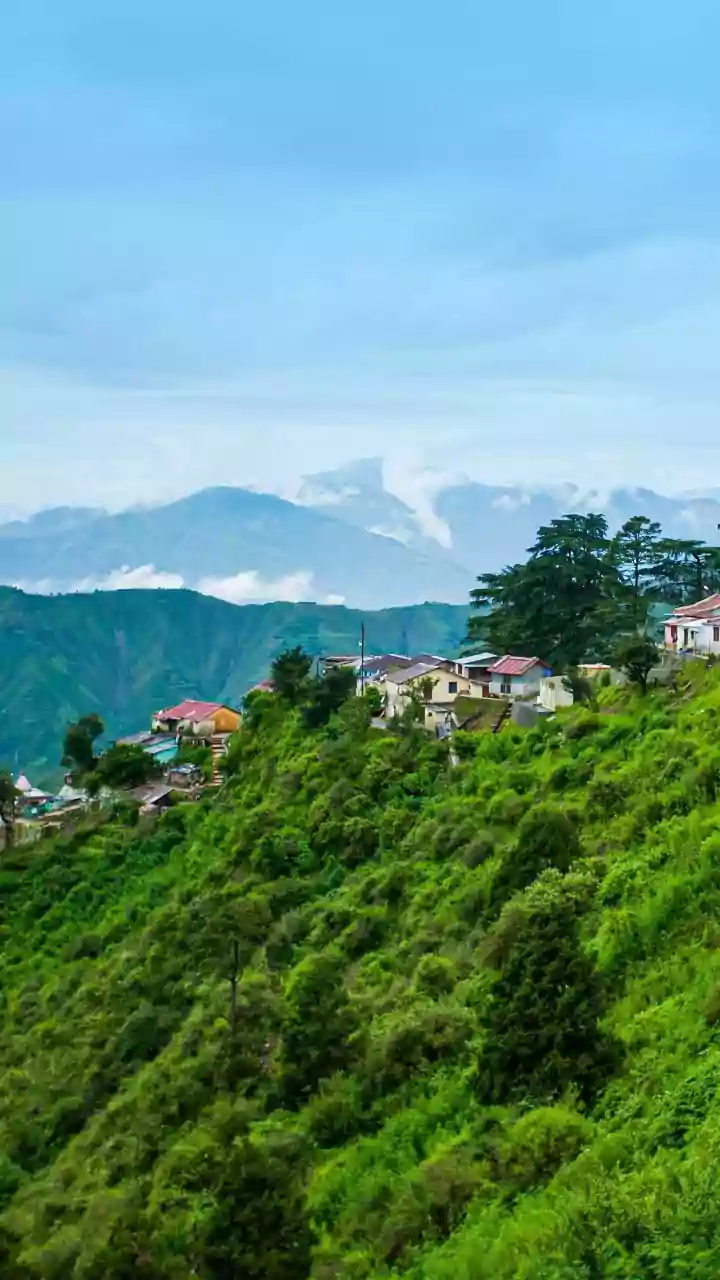
identity: India's first village. This shift from being known as the 'last village' reflects a strategic promotion by the Indian government, highlighting its significance as a frontier community. Located just 3 kilometers from the renowned Badrinath Temple, Mana draws a steady stream of tourists annually. These visitors are often captivated by the unique charm of the village, which includes traditional woolen garments, aromatic herbal teas, and local culinary delights, all under the iconic 'India's Last Village' signboard which now signifies a historical perspective.
Mythological Echoes Resonate
The landscape of Mana is steeped in ancient lore, intricately woven with narratives from the epic Mahabharata. Prominent nearby sites such as Bhim Pul, a natural stone bridge believed to have been placed by Bhima, and Vyas Gufa, the cave where Sage Ved Vyasa is said to have composed the Mahabharata, attract pilgrims and history enthusiasts alike. These locations serve as tangible links to a bygone era, allowing visitors to connect with the spiritual and historical significance that permeates the region. The presence of a vibrant stream, widely believed to be the nascent source of the sacred Saraswati River before it merges with the Alaknanda, further enhances Mana's mythological aura.
Strategic Highland Dwelling
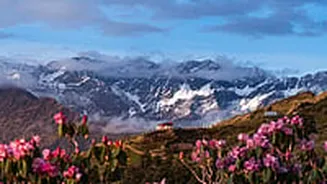
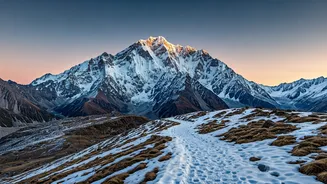
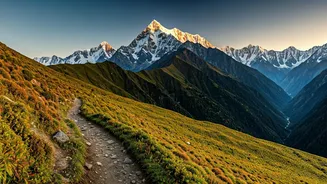
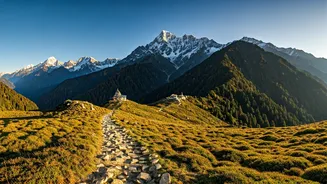
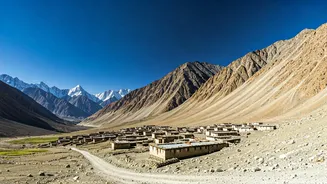
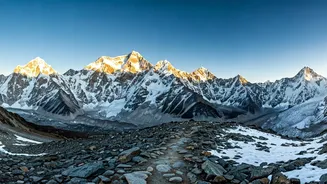
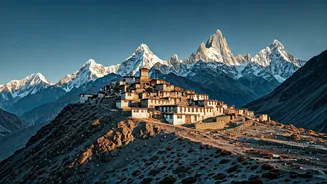
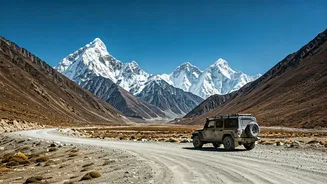
Perched high in the Himalayas, Mana's location is not only visually spectacular but also strategically vital. Situated at an altitude of roughly 3,200 meters (10,498 feet), it lies remarkably close to the sensitive Indo-China border. This proximity necessitates a strong security presence, with the Indo-Tibetan Border Police and the Indian Army maintaining a notable presence in the vicinity. The village is enveloped by majestic snow-capped peaks and experiences a cold climate, making it one of India's most isolated habitations. This remote setting, while challenging, contributes to Mana's pristine beauty and unique cultural preservation.
Community Life and Livelihood
Approximately 1,200 inhabitants, predominantly from the Bhotiya community—a traditional Himalayan tribe—call Mana home. Their livelihoods are closely tied to the flow of tourism, supplemented by income from small shops, the sale of local handicrafts, and seasonal agricultural activities. The Bhotiya people have developed a unique way of life, adapted to the harsh yet beautiful mountain environment. Their resilience and resourcefulness are evident in their daily routines, from crafting traditional woolen items to offering local food and teas to visitors. The village’s economy thrives on the cultural exchange and the unique experiences it offers to those who venture to its heights.
The Saraswati's Gentle Beginning
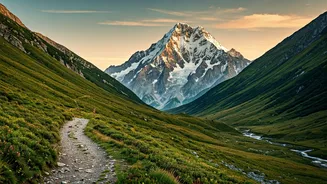
A distinctive natural feature of Mana is the presence of a stream that is deeply revered as the origin point of the Saraswati River. This powerful, albeit seemingly small, waterway carves its path through the rugged mountainous terrain before eventually joining the larger Alaknanda River. For visitors, witnessing this nascent flow of a legendary river is a profound experience, connecting them to the geological and mythological underpinnings of the region. The stream's journey from a humble mountain trickle to a confluence with another significant river highlights the dynamic natural processes at play in this sacred landscape.