






Understanding Electrolytes
Electrolytes are vital minerals that carry an electrical charge, playing a crucial role in numerous bodily functions. They are fundamental for maintaining
proper nerve and muscle activity, ensuring adequate hydration, and balancing the blood's pH levels. Our bodies naturally lose these essential elements through sweat, urine, and other bodily fluids. Rehydration solutions are specifically formulated to replenish these minerals and fluids when they are depleted, aiming to restore the body's internal equilibrium. While often considered a quick fix for dehydration, their necessity and impact vary significantly from person to person, depending on individual circumstances and health profiles.
Who Benefits Most
Individuals with highly active lifestyles, such as those engaged in intense workouts, frequent sauna use, or physically demanding outdoor occupations, are prime candidates to benefit from electrolyte supplementation. These activities lead to substantial fluid and electrolyte loss through perspiration. Consistent replenishment can be crucial for maintaining peak performance, facilitating recovery, and ensuring optimal hydration. When you sweat profusely, you're not just losing water; you're also shedding essential electrolytes like sodium, potassium, and magnesium, which are critical for cellular function throughout your body. Therefore, for those experiencing significant sweat loss, incorporating electrolytes can help restore this balance.
When They're Unnecessary
For individuals leading a more sedentary existence, with minimal physical exertion and, consequently, little to no sweating, electrolyte supplements are generally not required. People with desk jobs who spend the majority of their day indoors within air-conditioned environments typically do not experience the significant electrolyte depletion that would warrant supplementation. In such cases, their bodies can effectively maintain a healthy electrolyte balance through regular fluid intake and a balanced diet. Relying on plain water and nutrient-rich foods is usually sufficient to meet their hydration and mineral needs, making specialized electrolyte products largely redundant.
Who Should Avoid
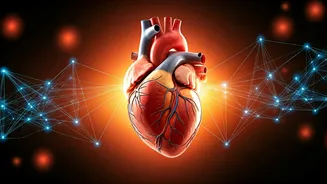
Certain individuals should exercise extreme caution or entirely avoid electrolyte supplements, particularly those with pre-existing health conditions. Patients diagnosed with hypertension, kidney disease, heart failure, or related cardiovascular issues are strongly advised against using these products. For these individuals, electrolyte supplements can potentially exacerbate their conditions, leading to adverse health outcomes. Furthermore, if a healthcare professional has explicitly recommended avoiding electrolytes, this guidance should be strictly adhered to. Consulting with a doctor is paramount before considering electrolyte supplements if you fall into any of these high-risk categories.
Smart Consumption Habits
The judicious use of electrolytes aligns with periods of increased bodily demand. For instance, on days involving strenuous training sessions or extensive sauna use, when significant fluid and salt loss is anticipated due to profuse sweating, electrolyte replenishment can be highly beneficial. However, on less demanding days or rest days, when sweating is minimal, regular hydration coupled with a diet rich in whole foods is typically adequate to maintain proper electrolyte balance. This approach ensures that supplements are used only when truly needed, supporting overall health without unnecessary intake, and emphasizing a balanced diet as the primary source of essential minerals.