







A New Way of Life
Imagine stepping into a village where the familiar aroma of home cooking doesn't emanate from individual homes, but from a single, bustling communal kitchen.
In Chandanki, Gujarat, this isn't a whimsical notion but a daily reality. Residents gather not just to eat, but to connect and share laughter in a communal dining hall, fostering a unique sense of togetherness. This model, reminiscent of heartwarming tales, is a practical and profound experiment in community living, designed to counteract the isolating effects of modern life and promote collective well-being.
Unity Through Cuisine
Chandanki's unique culinary approach emerged as a direct response to a growing concern: the increasing loneliness experienced by its elderly population. As younger generations migrated to urban centers for employment, many older residents found themselves isolated, with fewer social interactions. The village head, Poonambhai Patel, inspired by his time in New York City, proposed a solution that centered on a shared kitchen and dining space. This initiative aimed to provide not just meals, but a vital platform for social engagement, ensuring that the village's elders and all residents could remain connected and supported, thereby addressing a critical social need with a simple, yet effective, communal system.
Heartbeat of the Village
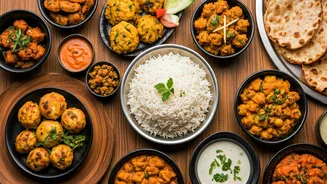
The operational heart of Chandanki lies in its singular, well-managed kitchen, staffed by hired cooks who prepare traditional Gujarati fare daily. The menu features comforting, home-style dishes like khichdi, roti, sabzi, and chaas, alongside occasional festive specials, providing nutritious meals for a nominal monthly fee of approximately ₹2,000 per person. This sustainable model ensures cooks are paid a fixed salary of around ₹11,000 monthly. The accompanying air-conditioned dining hall, powered by solar panels, offers a modern yet village-centric ambiance. More significantly, this space acts as a sanctuary for conversation, where villagers share personal stories, family updates, and emotional support, actively combating the isolation prevalent in many modern societies and fostering a profound sense of belonging.
Bridging Old and New
Introducing any significant change naturally invites skepticism, and Chandanki's community kitchen initiative was no exception. Initial doubts centered on the potential loss of personal cooking traditions and a perceived impersonal nature of communal dining. However, these concerns gradually dissipated as villagers experienced the tangible benefits. Elderly residents found relief from the daily burden of cooking, freeing up time for rest and social interaction. The dining hall evolved beyond a mere eating space into a vital hub for belonging, where the warmth of home-cooked meals was mirrored by the warmth of shared laughter, mutual concern, and collective experiences. Cooking might have moved out of individual kitchens, but the essence of home resonated powerfully within the communal hall.
A Model for Connection
Chandanki's story transcends a simple village anecdote; it serves as a potent testament to the power of prioritizing human connection. By establishing a shared culinary space, the village effectively tackled loneliness and cultivated a deep sense of collective care. It demonstrated that meals can be catalysts for social interaction, weaving them into the fabric of community life. The modest fee of ₹2,000 is more than a payment for food; it's an investment in social bonds, and the communal kitchen represents not just operational efficiency but also enhanced dignity, particularly for the elderly, ensuring they live with support rather than solitude. This model highlights that prioritizing community well-being can lead to enhanced happiness and resilience.
The Pillars of Well-being
Robust community ties and meaningful social relationships are fundamental to human happiness. Feeling seen, heard, and supported by one's community significantly lightens life's burdens. These connections provide a crucial sense of belonging, alleviate anxiety, and make stress more manageable by distributing the load. Research consistently underscores the importance of social connectedness as a protective factor against mental health issues like depression and anxiety. Furthermore, longitudinal studies spanning decades reveal that strong relationships and a sense of belonging are among the most significant predictors of long-term happiness and even physical health. In a world increasingly marked by speed and isolation, Chandanki's innovative approach offers a compelling reminder that the true magic lies not just in food preparation, but in the shared experience around a table, capable of profoundly healing hearts.