








Protein's Vital Role
Protein is an essential macronutrient that plays a fundamental role in our body's well-being. It's crucial for building and repairing tissues, including
muscles, and is vital for the production of enzymes and hormones that regulate numerous bodily functions. Furthermore, protein contributes significantly to weight management by enhancing feelings of fullness, which can help in controlling appetite and reducing overall calorie intake. For active individuals, meeting protein needs is even more critical to support muscle recovery and growth. General recommendations for adults typically fall between 0.8 to 1.2 grams of protein per kilogram of body weight daily, with higher needs for those with active lifestyles. Men might require between 56 to 91 grams, while women may need 46 to 75 grams, depending on individual factors like age, activity levels, and overall health status. Understanding these basics highlights why aiming for a specific protein target, like 80 grams per day, is a worthwhile health endeavor.
Morning Protein Boost
Kick-start your day with a protein-packed breakfast that sets you up for success in reaching your 80-gram daily goal. A simple yet effective option involves preparing oats with milk or yogurt, enhanced with a touch of honey for sweetness. To further boost the protein content and nutritional value, incorporate chia seeds and a handful of nuts. This wholesome combination can easily provide between 20 to 25 grams of protein, offering sustained energy and satiety throughout your morning. This nutrient-dense breakfast ensures that a significant portion of your daily protein requirement is met early on, making it easier to manage the rest of your intake throughout the day without feeling overwhelmed.
Lunchtime Protein Power
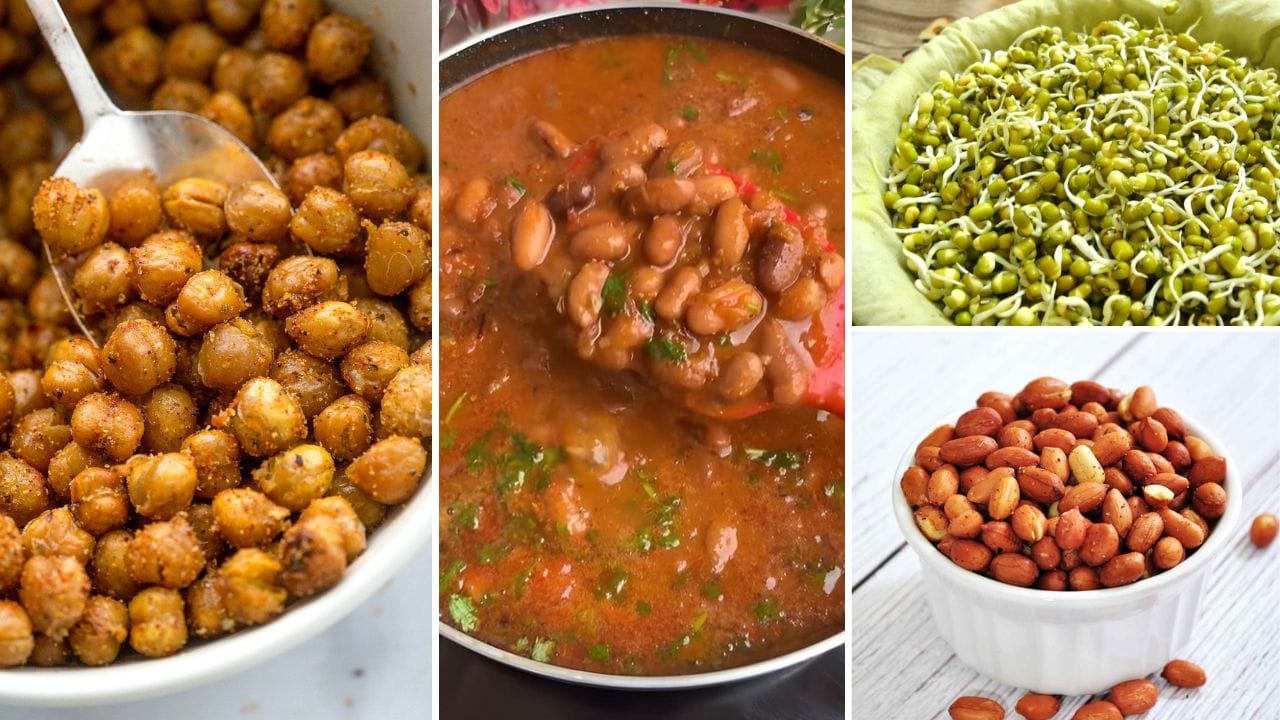
Midday meals offer a prime opportunity to significantly contribute to your protein intake. For vegetarians, a balanced lunch comprising 100 grams of paneer (Indian cottage cheese), 150 grams of dal (lentils) or chana (chickpeas), accompanied by green vegetables, rice, and a side of dahi (yogurt), can easily provide 25 to 27 grams of protein. If you opt for a non-vegetarian meal, simply adding 120 to 150 grams of chicken to your lunch plate can elevate your protein intake to an impressive 35 grams. This strategic inclusion ensures that your lunch is not only satisfying but also a substantial contributor to your daily protein target, paving the way for easier attainment of your overall goal.
Snack & Dinner Refuel
The afternoon and evening are perfect times to supplement your protein intake and finalize your daily goals. A mid-afternoon snack, such as a protein shake or a natural, protein-rich dessert, can effectively add another 20 grams to your daily total. For dinner, consider a meal centered around Khapli atta (emmer wheat) roti, which is recognized for its lower gluten content and higher protein profile compared to regular wheat. Pair this with dal, a paneer sabzi (dish), and dahi. This combination not only ensures a delicious and filling meal but also effectively rounds off your protein consumption for the day, helping you meet or exceed the 80-gram target with ease and balanced nutrition.
Diversifying Protein Sources
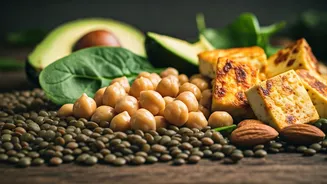
Achieving a well-rounded protein intake involves embracing a variety of food sources. While animal products like lean meats, poultry, and fish are renowned for their high protein content, plant-based alternatives are equally effective and offer additional nutritional benefits. Incorporating options such as beans, lentils, tofu, and quinoa into your diet ensures you receive a broad spectrum of essential amino acids, which are crucial for various bodily processes. For those looking for an extra boost, protein shakes or bars can serve as convenient supplements to complement your meal plan. This diversity in protein sources not only helps meet your daily targets but also contributes to a more comprehensive nutrient profile.
Important Health Considerations
While prioritizing protein intake is beneficial, it's essential to be mindful of individual health conditions. For individuals with pre-existing kidney issues, consuming excessive amounts of protein can place additional strain on these vital organs. High protein diets have also been linked to increased calcium excretion, which could potentially impact bone health over time. Therefore, it's crucial to ensure adequate calcium intake through diet or supplements. Before making significant changes to your protein consumption, always consult with a healthcare professional to determine the appropriate intake levels tailored to your specific health needs and medical history.