





Protein: The Foundation
Renowned badminton player Saina Nehwal emphasizes that protein is an indispensable element for athletes in her sport. She advocates for a strategic approach
to diet and training, rather than extreme measures. Nehwal suggests that while one doesn't need to overindulge, incorporating a moderate amount of protein, potentially through non-vegetarian sources, is crucial. This dietary choice aids in managing body weight effectively, ensuring players remain agile and quick on the court, which is vital for badminton. The focus is on maintaining a lean physique, minimizing body fat to enhance speed and responsiveness. This dietary strategy, coupled with intelligent training, is presented as a cornerstone for sustained high performance and injury prevention, a lesson learned through years of professional play.
Smart Training Over Overtraining
Nehwal strongly advises against the misconception that more training always equates to better results. She highlights the detrimental effects of excessive and relentless training, such as increased risk of injuries to knees, ankles, and the back. Instead, she champions a 'smart' training methodology. This involves a structured program where intense training days are balanced with periods of recovery or lighter activity. Pushing oneself too hard daily can lead to excessive fatigue, compromising performance leading up to tournaments. Nehwal's experience underscores that this balanced approach, prioritizing recovery and avoiding burnout, is far more effective for long-term athletic success and overall well-being on the court than sheer volume of practice.
Expert Insights on Protein
Dr. Aniket Mule, a consultant in internal medicine, corroborates Nehwal's views on protein's significance. He explains that protein is not only vital for muscle development but also plays a key role in maintaining overall metabolic health. For athletes, protein aids significantly in tissue repair, ensures proper enzyme function, and accelerates recovery following strenuous physical activity. In the context of badminton, where players constantly stress their muscles and joints, adequate protein intake is essential to prevent muscle degradation, promote rapid healing, and sustain strength. A deficiency in protein can manifest as muscle loss, delayed recovery, persistent fatigue, and a heightened susceptibility to injuries, ultimately impacting an athlete's performance and stamina.
Protein and Body Fat
Regarding body composition, Dr. Mule suggests that protein contributes to a more favorable outcome by preserving lean muscle mass while the body utilizes fat for energy. Furthermore, protein possesses a higher thermic effect, meaning the digestive process itself burns more calories. It also promotes a feeling of satiety, which can help curb overeating and manage overall calorie intake. However, Dr. Mule emphasizes that the primary drivers of fat loss remain the total calorie consumption, the individual's activity levels, and their underlying metabolic health. Therefore, while protein is a valuable component, it is part of a larger picture when it comes to achieving and maintaining an optimal body composition for athletes.
Dietary Protein Sources
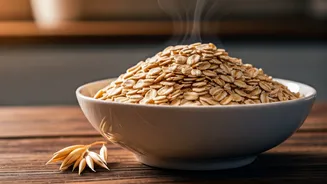
Dr. Mule clarifies that meeting protein requirements doesn't necessarily mandate the inclusion of non-vegetarian foods. While animal-based products are 'complete proteins,' offering all essential amino acids and being highly bioavailable for absorption, a carefully planned vegetarian diet can also suffice. Incorporating sources like dairy, pulses, legumes, soy products, nuts, and grains in sufficient variety and quantity can provide adequate protein. However, he notes that non-vegetarian sources often come with additional benefits, such as essential micronutrients like Vitamin B12 and heme iron, which are critical for energy production and preventing deficiencies, particularly for athletes with high energy demands and rigorous training schedules.
Balanced Approach for Athletes
The ultimate medical advice for athletes balancing peak performance and body fat management is to adopt a holistic and sustainable strategy. Dr. Mule advocates for ensuring adequate protein intake, meticulously managing calorie consumption, engaging in consistent and appropriate training, maintaining proper hydration, and prioritizing sufficient rest. Rather than focusing on the debate between vegetarian and non-vegetarian diets, the emphasis should be on consistently meeting all nutritional needs. This comprehensive approach is crucial for supporting both immediate athletic performance and the athlete's long-term health and well-being, ensuring they can compete at their best while staying healthy.