





Gentle Movement for Gut Health
The unassuming 'fart walk,' a casual 10-20 minute stroll after eating, is gaining traction for its potent impact on digestive well-being. Far from a strenuous
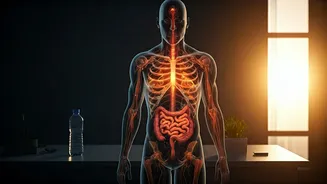
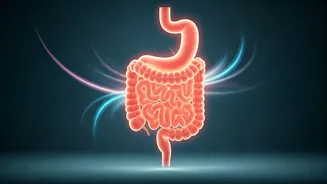
workout, this gentle movement plays a crucial role in how our bodies process food. After a meal, our digestive system is hard at work breaking down nutrients. Light activity, like a leisurely walk, actively stimulates gut motility. This refers to the wave-like muscular contractions within the intestines that propel food, fluids, and gas through the digestive tract. By enhancing these contractions, a post-meal walk helps to alleviate uncomfortable sensations such as bloating and a feeling of heaviness, while also facilitating the passage of gas. Furthermore, this increased physical activity enhances blood circulation, directing more blood flow towards the digestive organs. This improved circulation supports the efficient functioning of digestive enzymes, leading to a smoother and faster digestive process. Experts highlight that even a brief 2-10 minute walk can yield noticeable improvements, demonstrating that profound digestive benefits can stem from simple, consistent habits.
Balancing Blood Sugar Levels
Beyond its direct impact on the digestive tract, a post-meal walk offers significant advantages for metabolic health, particularly concerning blood sugar regulation. When we engage in physical activity after eating, the larger muscle groups in our legs become active consumers of glucose, the primary sugar circulating in our bloodstream. This increased glucose uptake by muscles plays a vital role in improving the body's sensitivity to insulin, the hormone responsible for managing blood sugar. Consequently, this process helps to mitigate the sharp rises in blood glucose levels that commonly occur after consuming a meal. This benefit is especially valuable for individuals managing prediabetes, diabetes, or metabolic syndrome, where maintaining stable blood sugar is paramount. Research indicates that even a short 10-minute walk following the intake of glucose can lead to superior blood sugar control compared to remaining inactive. In our increasingly sedentary modern lifestyles, characterized by prolonged periods of desk work and screen time, incorporating this simple habit can act as a powerful tool for metabolic management.
Holistic Health Enhancements
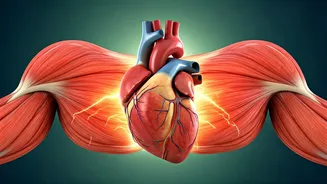
The positive effects of a regular post-meal walk extend far beyond mere digestive relief and blood sugar stabilization, contributing to a broader spectrum of health improvements. This consistent habit plays a supportive role in weight management by providing a modest boost to the body's metabolic rate, thereby increasing calorie expenditure. Improved circulation, a direct result of walking, also contributes to reduced systemic inflammation throughout the body. Furthermore, enhanced cardiovascular health is another significant benefit, as regular movement strengthens the heart and improves blood flow. On a mental and emotional level, these gentle strolls have been shown to effectively lower stress levels and elevate mood, offering a natural and accessible way to improve psychological well-being. Additionally, by promoting better circulation and relaxation, post-meal walks can contribute to improved sleep quality. The interconnectedness of bodily systems means that benefits to digestion and circulation also indirectly support the gut-heart axis, fostering overall wellness. This creates a beneficial cycle where good digestion contributes to better heart health, and vice versa.
Practicing the Post-Meal Stroll
To fully reap the advantages of the post-meal walk, it's essential to approach it with the right technique, emphasizing gentleness and consistency. Medical professionals universally stress that this activity should not be confused with a vigorous workout or intense cardio session. Engaging in strenuous exercise immediately after eating can divert blood flow away from the digestive system towards working muscles, potentially leading to discomfort and hindering digestion. Instead, the ideal approach involves a 10-20 minute walk at an easy, conversational pace, allowing for comfortable breathing and conversation. It's recommended to commence this stroll approximately 15-30 minutes after finishing your meal, giving your body a brief period to begin the digestive process. While aiming for this practice once daily, particularly after dinner, is beneficial, the emphasis lies on consistency over intensity. Ultimately, achieving optimal wellness often doesn't necessitate elaborate routines or expensive equipment; sometimes, the simplest actions, like a short walk after eating, provide the most accessible and impactful health upgrades, proving that eating, strolling, and repeating can be an exceptionally easy path to enhanced well-being.