





The Blue Light Battle
The primary culprit behind eye strain and disrupted sleep, as identified by many eye care professionals, is prolonged exposure to blue light emitted from
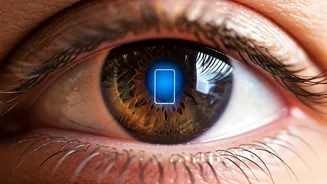
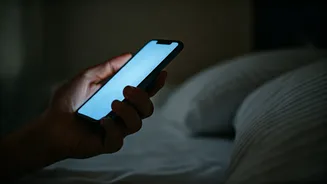
electronic screens. Devices like smartphones, tablets, and computers produce a significant amount of this high-energy light. When we engage with these screens close to bedtime, the blue light signals our brains that it's still daytime, suppressing the production of melatonin, a hormone crucial for initiating sleep. This disruption can lead to difficulty falling asleep, fragmented sleep patterns, and a reduced quality of rest. Over time, this chronic exposure can contribute to digital eye strain, characterized by dry eyes, headaches, blurred vision, and even potential long-term impacts on our circadian rhythms, affecting our overall well-being. Understanding the science behind this phenomenon is the first step towards mitigating its negative effects and reclaiming our sleep.
Impact on Eye Health
Beyond simply keeping us awake, the persistent use of screens before bed can have a more profound effect on our ocular health. The intense brightness and constant focus required to process digital information strain the ciliary muscles within our eyes, responsible for accommodation or focusing. This prolonged exertion can lead to fatigue, discomfort, and the aforementioned symptoms of digital eye strain. Furthermore, the artificial light can interfere with the natural repair processes that occur in our eyes during sleep. While research is ongoing, some eye care professionals express concerns that chronic blue light exposure, especially at close proximity and for extended periods, might also contribute to conditions like macular degeneration in the long run, though more conclusive studies are needed. Protecting our eyes involves recognizing these risks and implementing preventative measures.
Creating a Sleep Sanctuary
Fortunately, breaking free from this detrimental bedtime habit is achievable with conscious effort and strategic adjustments. Eye doctors consistently recommend establishing a 'digital sunset' at least one to two hours before intending to sleep. This means powering down all electronic devices that emit blue light. Instead, opt for relaxing, screen-free activities such as reading a physical book under dim, warm lighting, listening to calming music or a podcast, gentle stretching, or engaging in mindfulness exercises. For those who absolutely must use screens, consider utilizing blue light filtering apps or wearing blue light blocking glasses. Ensuring your bedroom is a conducive environment for sleep, with minimal light pollution and a cool temperature, also plays a vital role in promoting restorative rest and safeguarding your vision.