






The Silent Decline
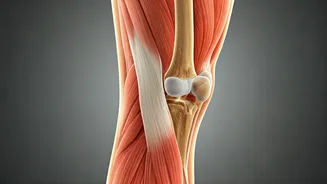
As individuals cross the threshold of 30 years, their bodies initiate a subtle yet significant transformation involving a gradual reduction in muscle mass
and a decrease in bone density. These changes, often imperceptible in their early stages, can pave the way for health concerns such as sarcopenia, a progressive loss of muscle strength and function, and osteoporosis, characterized by weakened, brittle bones. Sarcopenia, linked to aging, elevates the risk of falls and fractures, diminishing overall quality of life. While its precise origins are complex, involving genetic predispositions, lifestyle habits, and hormonal shifts, its impact is undeniable. Osteoporosis, frequently affecting women post-menopause but also present in men, often presents without warning until a fracture occurs, underscoring its 'silent' nature. Contributing factors include advancing age, genetic inheritance, hormonal fluctuations, specific health conditions, and lifestyle choices like poor dietary habits and insufficient physical activity.
Proactive Prevention Strategies
To effectively counter the natural decline in muscle and bone health that begins after 30, a proactive and multifaceted approach is essential. Implementing regular physical activity, particularly strength training, is paramount for building and preserving muscle tissue and stimulating bone development. Aiming for two to three resistance training sessions weekly, targeting all major muscle groups, is highly recommended. Complementing this, adequate protein intake is crucial for muscle repair and growth; sources like lean meats, fish, dairy, and legumes should be prioritized. Furthermore, ensuring sufficient calcium and vitamin D is vital for bone integrity, found in dairy, leafy greens, and through sunlight or supplements. Engaging in regular aerobic exercises further supports overall health and weight management, indirectly benefiting bone density. A balanced diet rich in fruits, vegetables, and whole grains provides necessary nutrients, while avoiding smoking and limiting alcohol consumption positively impacts both muscle and bone health. Staying adequately hydrated and undergoing regular health check-ups are also key components of a comprehensive prevention plan.
Strength Training's Crucial Role
The connection between muscle and bone health is deeply intertwined, functioning as a biological unit where muscles generate forces that prompt bones to maintain or enhance their density. As muscle mass diminishes, the reduced mechanical stress on bones contributes to a progressive loss of density, heightening the risk of osteoporosis and subsequent fractures. Experts emphasize that strength training, especially weightlifting, is one of the most potent methods to combat both sarcopenia and bone loss. This form of exercise not only bolsters muscle mass but also actively protects metabolism, strengthens bones, and promotes long-term physical functionality. The key principle is to challenge the body with weights that induce effort; if the weight isn't making you work, it's not stimulating adaptation. This type of training is accessible to individuals of all ages and fitness levels, offering a pathway to improved resilience and ensuring the body remains functional and independent well into later years.
Building a Strong Foundation
For individuals embarking on a strength training journey, the safest and most effective starting point involves a gradual progression and a keen focus on correct technique over the immediate pursuit of heavy weights. Accessible options like body-weight exercises, including squats, wall push-ups, and lunges, alongside resistance bands or light dumbbells, serve as excellent introductory tools. A practical regimen involves committing to 2-3 training sessions per week, systematically engaging all major muscle groups. As physical strength and confidence grow, the intensity and resistance can be progressively increased. Crucially, this training should be integrated with a diet that provides sufficient protein and vitamin D, alongside general physical activity, all of which are supportive pillars for muscle recovery and robust bone health. Starting this journey at any age or fitness level is beneficial, setting the stage for a healthier future.