





What is Designer Rice?
At its core, 'Designer Rice' represents a significant leap in food science, meticulously crafted by researchers at CSIR-NIIST in India. This innovative
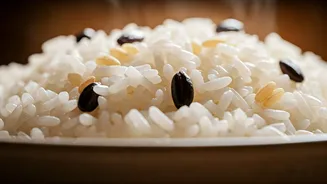
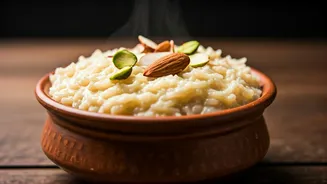
rice variety is not a product of genetic modification but rather a clever application of advanced food-processing technology. The ingenious aspect lies in its utilization of broken rice grains—pieces typically relegated to lower-value markets. Through a process of grinding these broken grains into flour and then reincorporating essential protein and vital micronutrients like iron, folic acid, and Vitamin B12, scientists have effectively rebuilt the grain. The resulting product is visually and texturally indistinguishable from traditional rice, yet boasts a dramatically enhanced nutritional profile, marking a paradigm shift in how staple foods can be enhanced for public health.
Addressing Hidden Hunger
India faces a complex health challenge where millions suffer from 'hidden hunger,' a condition characterized by deficiencies in essential nutrients like protein and minerals, despite consuming sufficient calories. Traditional rice, a staple for a vast majority, contributes significantly to this problem due to its inherently low protein content, typically ranging between 6-8%. 'Designer Rice' directly combats this by fortifying the grain to contain over 20% protein. Furthermore, it incorporates crucial micronutrients such as iron, folic acid, and Vitamin B12. This targeted fortification ensures that regular consumption of this fortified rice helps bridge critical nutritional gaps, promoting better overall health and combating deficiencies that can lead to various health issues, including anemia, without requiring consumers to alter their dietary habits drastically.
Combating Diabetes Concern
The proliferation of diabetes in India, earning the country the moniker 'diabetes capital of the world,' is a growing public health crisis. A major contributing factor is the high Glycaemic Index (GI) of conventional white rice, which leads to rapid and often dangerous spikes in blood sugar levels after consumption. 'Designer Rice' offers a vital solution by boasting a significantly lower GI value, specifically below 55. This means that the energy from the rice is released slowly and steadily, preventing the sharp glucose fluctuations that are detrimental to individuals with or at risk of diabetes. By maintaining blood sugar levels more effectively, this specially engineered rice allows people to continue enjoying their beloved staple food without the adverse glycemic consequences, making it a more diabetes-friendly option.
The 'Food Architecture' Approach
The creation of 'Designer Rice' is best described by its lead researcher, C Anandharamakrishnan, as a form of 'food architecture.' This analogy perfectly encapsulates the sophisticated yet accessible method employed. Instead of altering the rice's genetic makeup, the process involves deconstructing traditional rice grains into their fundamental components—primarily starch, protein, and fiber. These elements are then artfully reassembled to optimize the nutritional composition. Essentially, a portion of the starch is reduced, making room for an infusion of additional protein and essential micronutrients. This meticulous rebuilding process, akin to constructing a stronger, more nutritious edifice from existing materials, results in a grain that retains the familiar taste and texture of regular rice while delivering a substantially enhanced health benefit. It’s a testament to innovative food engineering.
Cultural Acceptance and Sustainability
A key triumph of 'Designer Rice' lies in its seamless integration into existing cultural dietary practices. Unlike many health-focused food alternatives that necessitate drastic lifestyle changes, this innovation allows individuals to continue consuming rice, a deeply ingrained staple in Indian cuisine, prepared in familiar ways—from pulao to biryani. The enhanced nutritional value comes without demanding a shift to less popular or more expensive ingredients like quinoa or exotic grains. Furthermore, the project champions sustainability by embracing a circular economy model. It ingeniously repurposes broken rice, a byproduct of the milling process that was previously underutilized, transforming it into a high-value, nutrient-dense food product. This approach not only adds economic value for farmers but also minimizes food waste, aligning with global efforts toward more sustainable food systems and creating a healthier nation from the ground up.