






Choose Destinations Wisely
Instead of flocking to the most popular, often overcrowded, and pricey tourist hotspots, consider exploring nearby, lesser-known towns or quieter natural
spots. These alternative locations typically offer more affordable rates for accommodation and activities, and a more serene environment that's better suited for children who might struggle with long queues and bustling crowds. By stepping slightly off the beaten path, you can often find a more enjoyable and less stressful experience without the constant pressure of inflated prices associated with trending destinations. This approach allows your budget to stretch further, providing more opportunities for genuine enjoyment and relaxation during your family's holiday, ensuring that the focus remains on creating memories rather than just managing the cost of the location itself.
Travel Smarter, Not Faster
When traveling with children, opting for trains or embarking on a road trip can often be a more sensible and cost-effective alternative to flights. While airplanes offer speed, they also come with significant expense and can be a source of stress for families. Journeys by train or car can transform into an integral part of the holiday experience for kids, offering the simple joys of watching scenery from a window, enjoying homemade snacks, playing games, and making spontaneous stops for treats. This method of travel not only saves a considerable amount on ticket prices but also frees up funds that can be utilized for other aspects of the trip, making the overall vacation more financially manageable and enjoyable.
Prioritize Practical Stays
When selecting accommodation, prioritize locations that simplify family life over those that are purely aesthetically pleasing. While a visually stunning homestay might look appealing in photographs, a lack of convenient amenities like readily available food options, sufficient space for children to move and play, or quick access to assistance can quickly lead to exhaustion. Opt for places that offer practical advantages, such as apartments or budget-friendly hotels that provide kitchen facilities or easy access to meals. For families, convenience and ease of management invariably trump luxury, ensuring that you can genuinely enjoy your vacation rather than constantly being occupied with logistics and problem-solving.
Pack Light, Pack Smart
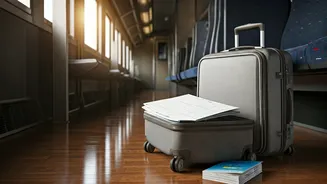
Many parents tend to overpack for family trips, believing it offers a sense of security. However, lugging heavy luggage, especially when managing children, often exacerbates travel chaos. Focus on practicality: pack versatile clothing items that can be mixed and matched, and a limited selection of essentials rather than an abundance. While basic medical supplies are a must, avoid packing an extensive pharmacy. Crucially, always include snacks, essential wipes, and a single comfort item—like a favorite toy or blanket—for your child. This singular item can be an invaluable tool for calming them during moments of distress, proving more effective than numerous other packed belongings.
Embrace Flexible Planning
Avoid the temptation to over-schedule your family vacation with rigidly planned itineraries, as children naturally deviate from strict schedules due to fatigue, moodiness, or distractions. Instead, adopt a more fluid approach to planning, allocating time for just one or two key activities per day. Incorporate ample unstructured time, allowing for spontaneous outings, extended playtime, or simply relaxing in a scenic spot while children explore. These unplanned, relaxed moments often evolve into the most cherished memories of the trip. Ultimately, children will recall the shared laughter, the silly incidents, and the quality time spent together, rather than the cost of the accommodation or the sheer number of sights visited.