






Flour's Role in Health
When aiming to shed weight, the food choices we make daily hold more sway than occasional indulgences. Beyond simply cutting calories, the composition
of our food plays a vital role. A common staple, flour, used in everything from rotis to baked goods, often goes unnoticed. However, the type of flour significantly influences blood sugar levels, how full you feel, your digestive health, and overall daily calorie intake. Refined flours digest rapidly, leading to sugar spikes and subsequent hunger. In contrast, flours rich in fiber, protein, and essential micronutrients promote slower digestion, sustained fullness, and better appetite regulation, making them crucial allies in the quest for weight management and fat loss. While whole wheat flour is a better option than refined white flour, its carbohydrate content and moderate glycemic index mean portion control remains paramount.
Weight Loss Flour Alternatives
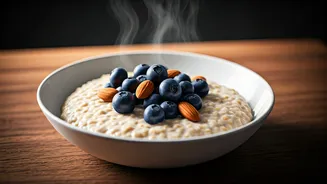
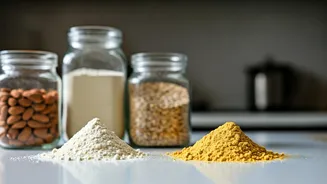
For those focused on weight reduction, moving beyond whole wheat flour to more beneficial options is a strategic dietary adjustment. Nutritionist Lovneet Batra suggests several flours that are more conducive to weight loss goals. Jowar (sorghum) flour, a gluten-free grain, is abundant in fiber and protein, fostering a sense of fullness and helping to curb appetite. Its low glycemic index also aids in maintaining balanced blood sugar. Similarly, Bajra (pearl millet) flour, another gluten-free choice, is packed with iron, magnesium, and phosphorus, and its high fiber content supports digestion and prolonged satiety. Ragi (finger millet) flour is a rich source of calcium, iron, and fiber, known for its appetite-controlling properties and contribution to stable blood sugar. Oat flour, celebrated for its soluble fiber (beta-glucan), aids in cholesterol management and promotes fullness, making it a versatile substitute. Finally, almond flour, derived from ground almonds, offers a low-carbohydrate, high-protein, and healthy-fat profile, ideal for those reducing carb intake while seeking satisfaction.
Dietary Considerations & Expert Advice
Incorporating these diverse flours into your diet can significantly support your weight loss efforts. They can be readily used in common dishes like rotis, pancakes, and baked goods, offering a nutritious alternative to standard whole wheat flour. However, it's crucial to acknowledge that not all flours are suitable for everyone. For instance, individuals with thyroid disorders, a predisposition to kidney stones, or sensitive digestive systems might need to be cautious with ragi flour, and medical consultation is advised. Similarly, those with confirmed legume allergies must avoid besan (chickpea flour), and individuals with severe Irritable Bowel Syndrome (IBS) or digestive sensitivities should exercise caution. People with thyroid issues, kidney disease, or mineral deficiencies should consult a doctor before making jowar or bajra flour a dietary staple. Furthermore, individuals with severe digestive disorders, oat allergies, or celiac disease should seek medical advice before consuming oat flour. The 'best' flour for weight loss is highly individualized, depending on factors like metabolism, existing health conditions (like PCOS or diabetes), and activity levels. A rotational approach, mixing various flours throughout the week, ensures nutrient diversity, promotes better digestion, and supports sustained weight loss more effectively than relying on a single type.