
Market's Recent Tumult
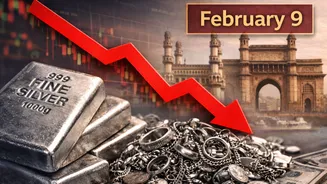
The gold and silver exchange-traded funds (ETFs) experienced a notable decline before staging a remarkable comeback. This initial drop prompted considerable
concern among investors, leading to questions about the long-term viability of precious metal investments. Market analysts observed a sudden shift in investor sentiment, contributing to the volatility. The initial downturn saw many investors re-evaluating their portfolios, causing a ripple effect throughout the market. The magnitude of the rebound, with some ETFs gaining up to 17% in a single day, highlighted the intrinsic value that investors still place in gold and silver as safe-haven assets and hedging tools against economic uncertainty. This demonstrated resilience sparked renewed confidence in the market.
Factors Driving Recovery
Several factors played a crucial role in the resurgence of Gold and Silver ETFs. Global economic uncertainties and inflation concerns prompted investors to seek refuge in precious metals, traditionally viewed as a safe store of value. The fluctuating value of the dollar and other currencies also contributed to the upward trajectory of gold and silver prices. Increasing demand from emerging markets further bolstered the prices. Additionally, any statements from central banks about future monetary policies influenced investor behavior. Political tensions and geopolitical instability also amplified the appeal of precious metals, pushing investors to safeguard their wealth. These conditions created a perfect storm for the recovery. The combination of these variables created a favorable environment, attracting investors and reversing the downward trend.
Future Market Predictions
Predicting the future course of gold and silver ETFs involves analyzing multiple economic indicators and anticipating market trends. Economic forecasts, including inflation rates, interest rate decisions, and currency fluctuations, are primary determinants of future movements. Geopolitical risks also play a critical role, as any escalation in global conflicts could boost demand for safe-haven assets like gold. Furthermore, technological innovations within the financial sector might impact trading volumes and market dynamics. Various financial experts provide outlooks based on different models. Understanding these elements is essential for investors. Analyzing the historical performance of these ETFs, coupled with current market conditions and expert predictions, assists investors in making informed decisions about whether to invest in gold and silver ETFs or adjust their existing portfolios. The interplay of these diverse elements influences long-term growth trends.
Investor Strategies & Outlook
Given the current market volatility, investors should consider diverse strategies. Diversifying portfolios with a mix of assets, including gold and silver ETFs, mitigates risks. Investors may explore the option of a 'buy-and-hold' strategy. It involves acquiring assets and maintaining them over the long term, capitalizing on the potential for long-term appreciation while weathering short-term fluctuations. Some investors consider dollar-cost averaging. This involves investing a fixed sum regularly, regardless of market conditions. Remaining informed about market changes and economic data also remains important. Consulting with financial advisors helps investors create customized investment plans aligned with their risk tolerance and financial goals. The future outlook for gold and silver ETFs, therefore, hinges on a combination of strategic planning and ongoing market analysis.