





The Summer Staple's Safety
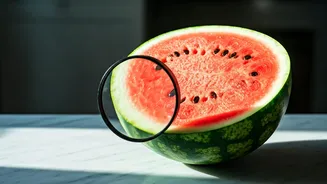
Watermelon is undeniably a quintessential summer treat, offering hydration and sweetness with every juicy bite. However, recent discussions and inquiries
have surfaced regarding the safety of consuming watermelon, especially after it has been cut. Experts reassure us that the fruit itself is perfectly fine, but the crucial aspect lies in how it's handled once that protective rind is breached. Because of its high water and sugar content, cut watermelon becomes a more hospitable environment for bacteria to thrive if left at room temperature or stored inadequately. Nutritionist Rupali Datta emphasizes that maintaining stringent hygiene and proper refrigeration are paramount, particularly during warmer months when bacterial growth accelerates. Failing to adhere to these simple yet vital precautions can unfortunately lead to health issues, making it essential to be informed about best practices before you next reach for that refreshing slice.
Ensuring Safe Slices
To enjoy watermelon with confidence, several key steps should be followed, starting from the moment you select your fruit. Opt for watermelons that are firm and free from any visible blemishes, cracks, or soft spots, as these can be indicators of potential contamination. Before you even think about slicing, thoroughly wash the exterior of the watermelon. Bacteria residing on the rind can easily transfer to the edible flesh during the cutting process. Always ensure your hands and all utensils, including the knife, are scrupulously clean. It's advisable to avoid pre-cut watermelon that has been sitting out for extended periods, as its safety is questionable. For optimal safety, immediately transfer cut watermelon pieces into an airtight container and store them in the refrigerator. Prioritize consuming these pieces within a reasonable timeframe rather than leaving them at ambient temperatures for prolonged durations. By implementing these straightforward measures, the risk of foodborne illness is significantly minimized, allowing you to savor this delightful summer fruit without undue concern.
Vulnerable Groups & Reactions
While most individuals can handle minor digestive upset from improperly stored food, certain populations are at a higher risk of experiencing more severe consequences from contaminated watermelon. Those with compromised immune systems, including individuals undergoing treatments like chemotherapy or those with chronic illnesses, and very young children, are particularly susceptible. For these groups, even a mild exposure to harmful bacteria can lead to more significant health problems. Therefore, it's crucial for everyone, but especially for these vulnerable individuals, to be extra diligent about food safety practices. Should any adverse reactions occur after consuming watermelon, such as stomach discomfort, nausea, or vomiting, it should not be dismissed lightly. Prompt medical attention is highly recommended to assess the situation and receive appropriate care, ensuring that any potential issues are addressed swiftly and effectively.